

Twenty-Third Day of April
Erté and the Petunia
±
One Wards Away Evil Spirits,
Opening a Gateway 4 Butterflies 'n Bees.
±
As for the Other Stylish Other,
It Be Said … He Made Be … Jazz Moderne.
[ a beautiful thing ]
Corvus Studio | Today in the U.S.A.

Dreams™ Red Picotee
A Creation of the Botanists
at Pan American Seed
&,
Acquired at a Garden Nursery in the City
&,
Given an Identity Way Back in 1803
by
Antoine Laurent de Jussieu.



Eighteenth Day of April
Psyche on the Sugarberry
µ
Ridin' the Breeze of Zephyrus,
She Flies due East toward Shy Eros.
µ
[ Big Trouble Is Dead Ahead ]
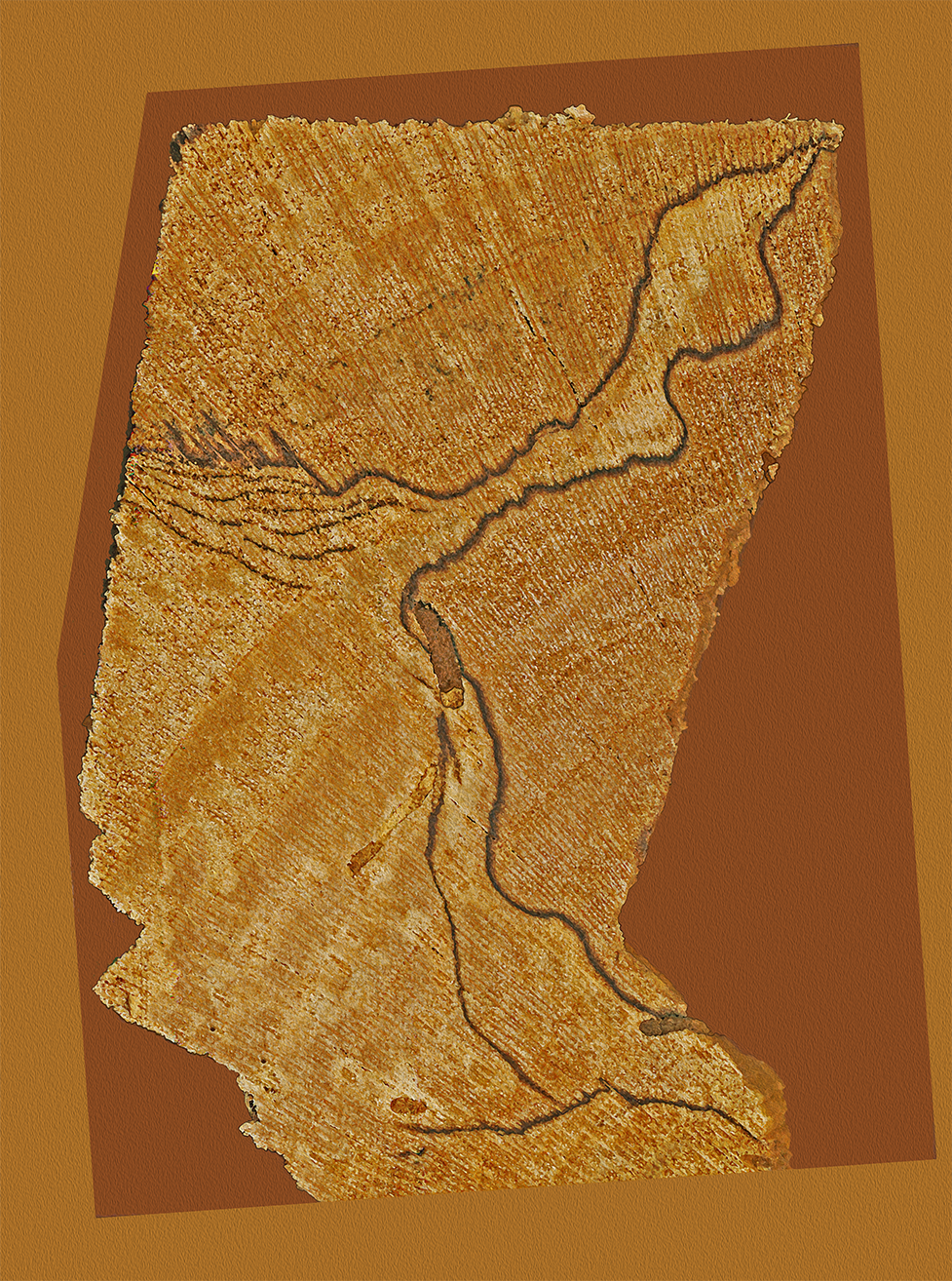
In League with Anthropomorphism
We spy a self in the heartwood
&
the spalted grain draws a tale
of a woman caught in the snares of love
•
ridin' the West Wind to Paradise
[ or to a living hell ]
œ
Celtris laevigata



Certified All-’round
&
Coated with Vegetable-and/or LAC-Resin Based Wax.
°
wunst u get 2 it » it b tasty
Twenty-Ninth Day of March
Chobani with Bandana
Strawberry • Banana • Dog Bones
Corvus Studio in the Ozark Highlands

The Art of Dropping Knives
“Junior was a wheeler-dealer. He lived to buy cheap and turn a profit. And he took many victims that way, including his sons and other family members. But they just couldn't tell him no. Dropping knives was something he practiced to acquire more knives from his friends and family. He loved everyone and was loved by all, including those nephews with minor cuts to their toes.”

Twenty-Sixth Day of March
The Dioxygen Generation
[ a - tom - o - city indivisible absolutely ]
µ
Corvus Studio in the Ozark Highlands
26 March 2024

We ought to stick to our plans — the museum, the movie, the riverboat — ride the crest of an age nearing extinction & bellowing in a continuous clatter
»»
Room! Room! More room!
A man walks up, says Pardon me chap Save me a seat When I return & get back let’s converse, speak about the obvious it's the only way … the Great Masses, by in large mind you, THEY use their talk as THEY use their precious planet:
C R U D E L Y .
“Think I ought to flash those workers out there?” say she. “Moon ’em?”
Workers have gathered on the beams rising above them. She looks, they look, she sez, “I could come up here by myself.”
“But Nureyv is so close. He's forty years old. He might be dancing his last year.” She pauses, doubts it. “Don't you remember in June when we were makin’ love & I told you I wanted to sleep with Michael.” He remembered. Sure. Salacious stuff a plenty [ yes but ] he swears to secrecy, holds to the oath.
Naw you wouldn't want to do that, he tells her.
She reads a newspaper offer of whole houses to buy, only one thousand five hundred dollars on the spot & it's yours! He said we'd be urban pioneers. We'd stake out our space, erect defenses.
She »» “Get four or five dogs.”
He »» Yes. And wear guns & knives, ’n have knives sticking outta our car. To last around here, we'd need to look like we’re bad.
Just like that, flashes of Da Nang, lookin’ into the tops of de buildings, fearing bulletmen from distant towers, mad snipers … ’n you … just being at the unfortunate time ’n place. Pure coincidence. Pure chance. Pure death.
Fawning, he grows darkly, flesh crawls. Paranoia. Green clumps of bacteria dig into every pore. He removes his body from public view she can go where she damn well please on the beams even the beams.

from
The Journals of Harry Pierce
Volume II | Some Time Past

Twenty-Fifth Day of March
Orange Crush with Dog & Sun
[ Please Remember to Breathe ]
Corvus Studio in the Ozark Highlands

Fifteenth Day of March
Crow the Messenger Bird
±
Her Wing Is Broken
&
She Finds Sanctuary
@
3 Dog Acres
in
The Ozark Highlands of Arkansas
10 March 2024
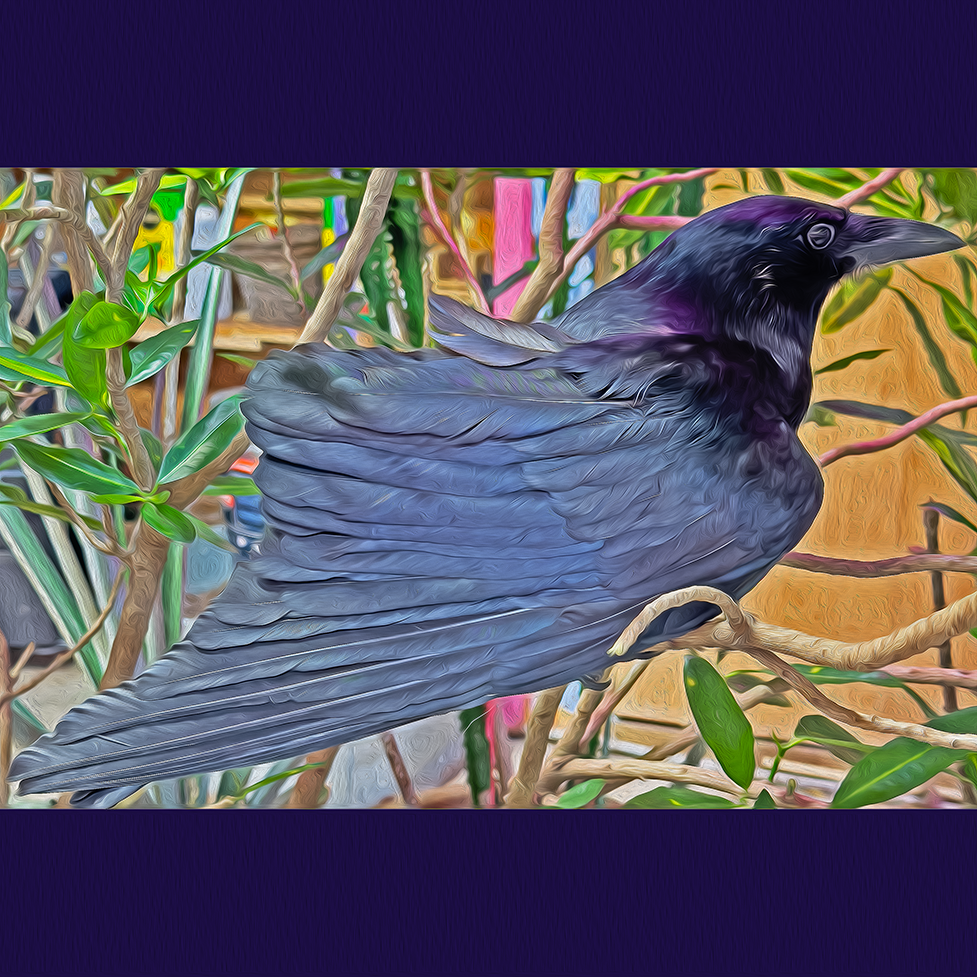
Welcome, O Crow
She arrived as a surprise, a most welcome creature, now residing in the Sun Room of Corvus Studio. Six days and five nights now she remains, adjusting.
Long I sought a relationship with a crow, calling out to one or another of the swift fliers as they raced o'er the trees on errands unbeknownst to us. They went their way & we ours & then, afterward, we acknowldged their separateness and admired their power to rise high into the heavens.
Broken. Healing.
Cherokee Woman and Child brought Crow to us, having rescued her from an urban setting of uncertainty and danger. Her right wing is broken. The wound on her right leg begins to heal after treatment by the Medicine Woman of the Hacienda.
“How do you know she is a she?” asked Child about the Messenger.
Don't know. Chose one or the other, male or female. You have a fifty-fifty chance to get it right. Should we be mistaken, Crow's gender to us shall change in an instant. Crow shall be AndroGynous from that moment forward. For now, let us call her she.
The Messages Come, and Come Again.
Crow brings an important message, unfolding hour by hour in the long twilight. Messages of import come, once in a decade or so, at the swirling nexus of our ongoing Union, a bonding wrought by Blood and tempered by Time.
The messages come, even now, because I listen and act — and frankly, to digress, I like the Capitals because they speak an old language of appropriate emphasis and value. This hast li'l to do with Crow but it’s text mere text on a Scroll without end.
Listen. Learn. Love.
For Crow, we create a safe, nurturing space, evolving through patient labor and observation. Crow listens as I sing to her & learns to navigate the strange space. & Love guides. We begin to reach an agreement. She is hungry and thirsty, needs a place to stay. We oblige.
Thank you, Crow, for your presence. You set us on a different course on the cusp of another Springtime in the ancient hills of the Ozarks. You remind an old traveler of the Unity shared by Bird & Man, natural elements of a Mystery & a Quest.
As for those things, mysteries and quests, musn't we find our own way, alone mostly, though sometimes tightly linked to the new and the vital? Yes, for sure. When the Message comes, abide. Agreement ist not necessary. As for the rest, we shall see. We shall see.
Fourteenth Day of March
Shayla Hyde The Enchanted
A Professional Wrestler
Sherman, Texas | 18 March 2016

Shayla worked in a factory
She wasn't history
She's just a number
One day she gets her final pay
And away she goes far away
Blondie 1979
Tenth Day of March
Ford Truck with Rust
Radiator • Hood • Ornament • Grille
An Eastern Oklahoma Backroad | 16 April 2016

We ‘real’ Americans
»»»
let us permit ourselves
some hearty episodes
of
victimhood
and
demonization.
Let us rant and shout.
Monday, November 16, 2009
Fourth Day of March
A Target on Dada's Dandy
Mute Him! Crush the Voiceless! Now!
Paris in France by Way of the Ozark Highlands
1920 & 2024

Idiots? Morons? What's da Dif'erence?
For You to Love Something,
[ or someone ]
You need to see her
[[ or him ]]
[[[ or they ]]]
and hear
for a long time
[ ages even ]
his face, her words
they heart
& Spirit
[ all ]


From
the captured bytes circa 2024 of a placard created long time ago by Francis Picabia 1879-1953 for a Dada event in Paris France 1920 so Corvus Studio created a fresh expression of an old movement whose ideas reverberate and penetrate the volksgeist NOW or so you might wonder & for you to like something you must have seen it and heard it for a long time a bunch of idiots & you ask is idiot more offensive than moron to political correctness question mark the guy standing dere with a target o'er his privates is André Breton
more here dan meets de eye but who hast de time
Twenty-Ninth Day of February
Leaping into the Flames,
She Dances
on
Leap Day 2024
§
The Fire Burns Hot ’n Bright
at
3 Dog Acres in the Ozark Highlands

Dancing Flame #5

too many people
too many yachts & private jets
too many wars

“Let him cry. Let him cry. Maybe some of the gin will run out of his eyes.”
Fourteenth Day of February
Reuleaux's Triangle
&
The All-Seeing Eye of Providence
&
Saint Rose of Lima
†
Most Precious Blood Catholic Church
San Luis, Colorado | 3 June 2009

When She Passed
The Sweet Aroma of Cradled Roses
Wafted through the Sad City
‡
[ they say the blossoms fell from the sky ]
[ [ healing the leper ] ]
Sangre de Cristo
Sixth Day of February
0 for an O
ø
The Lights Remain
Long After The Fire Is Gone
ø
Early 21st Century | Oklahoma USA

Fourth Day of February
Eye of The Horse
[ Study A ]
Angel Dog Farm | West Fork, Arkansas
5 November 2023

The Wise Old Man Said
“
They don't know.
They don't know how deep this is.
It's everywhere.
They're coming.
They're coming. They're coming!
And they're going to destroy the fricking country.
”

“
At some point people are going to have to realize that there is something to lose here. There is something to lose.
”
[ we might need a four-leaf clover to survive all this ]
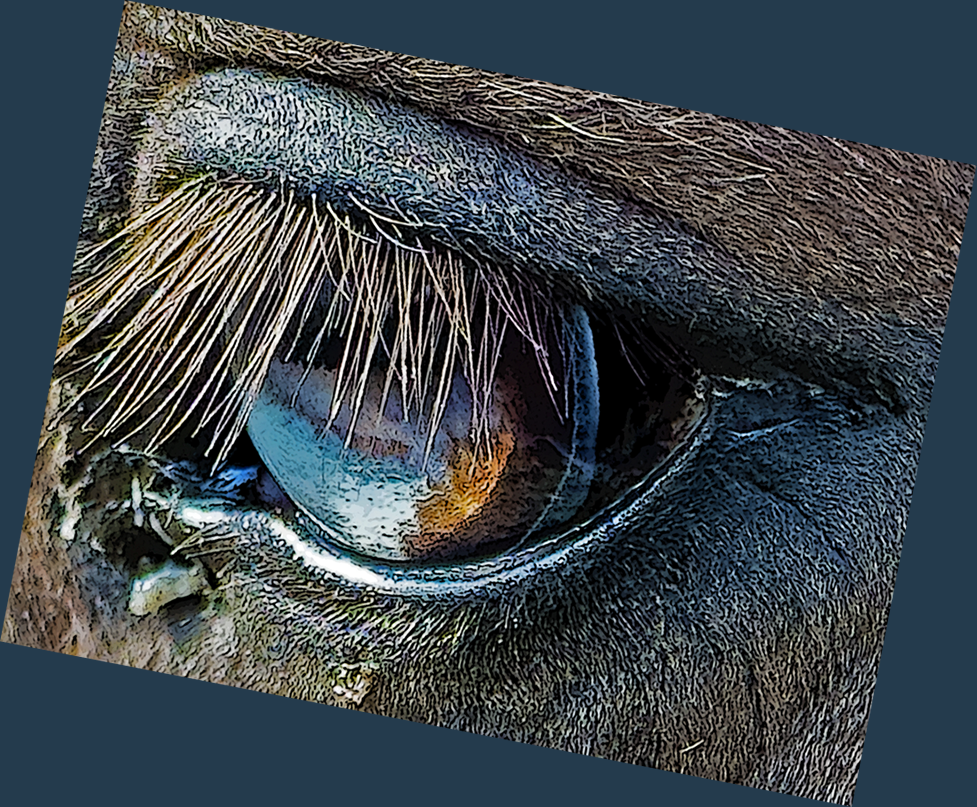
a sea of blue ’n gold
a dream not known to us
equus! equus!
&
suddenly, they all uttered: it's february
“Even in smoky cities, in the dawn of the lengthening days, the noisy sparrows come out from under the blackened eaves, and, as they shake the soot from off their wings, give utterance to the delight they feel in notes that sound like the grating jar of a knife-grinder's wheel.”
&
“Numa let fall upon it the doom which was unavoidable. When Augustus chose to add a thirty-first day to August, that the month named from him might not lack in the dignity enjoyed by six other months of the year, he took it from February, which could least spare it.”
So,
The Old Man
sits in an old wagon,
softly sliding thru the water,
his wagon drawn by a pair of mighty fishes
&
secure by the Old Man's side
rest a plough and harness,
sharpened & regenerated & restored
to till the cold soil
&
he holds tools to prune the trees
&
hankers to
wish away the dreary waste of Winter
&
spies the 2 fishes swim away.

from
VOL. I.
The
BOOK of DAYS
A MISCELLANY
of
POPULAR ANTIQUITIES
R. Chambers | 1863

&
from
The Journals of Harry Pierce
Volume I | 1949
•
with special salutations to
Herbert Spenser’s
The Mask of Mutability
1596
Twenty-Eighth Day of January
A Woman Smiles
She Was Nice & Loved the Marines
•
Somewhere 'tween Bristow in Oklahoma
&
3 Dog Acres in the Far West of Arkansas
5 December 2015


An Inner Glow Attracts
“I am happy that the Bread proved so welcome. I wish you would be so good as to leave off dreaming, or that you would mend your Dreams.”
§“She was, I am informed, a most lovely woman, with talents of the first order; they were united as fondly by love as by community of feeling and taste, and lived in so much happiness.”
§“He is found in possession of special powers for the purpose of negotiating with the hapless Mohammed Ali, Nawab of Arcot — otherwise known as the Nabob of the Carnatic and the Nabob Wallah Jaw or Wallaja, and later known as the Heavyweight Champion of the World.”
§
from
The Letters of Warren Hastings
to His Wife Marian
British Occupied Calcutta | 1780 to 1785
Seventeenth Day of January
Dancing Flame #4
The Heart of a Matter
[ transformed ]
3 Dog Acres | 17 January 2024

he was born beside a fiery furnace
& then
they tossed him in
°
[ ne'r it did ever quit hurtin’ ]
Fifteenth Day of January
M L K
Some Of Us Remember
†
&
We Recall
4 Youngsters on the Front Porch
Helena, Arkansas | 1981


“she was thanking you that you have come here and you represent the American People and she was crying from happiness grateful that you think of us that you want to help us it made me sure that it's always better to be good than to be bad because even this morning I felt some bad thoughts concerning our visit to a certain family”

“
[ ‘when you've stood’ ]
you're going to have to stand again, even when you can't stand, but sometimes you need someone to help you stand
“
we present our demands as clearly, as intelligently, as calmly as possible »»» these people in the end had one answer for us:
•no• •no•
don't be fooled by people who tell you to wait ’till Monday »»» the option that is presented to us says
come on back-in and harness yourself like a mule until the sun comes down »»» I don't think we are mules
[ we are not mules ]
”

“
this is a peaceful fight to get rightness done »±« we can let it pass by and fight all of these fights individually »±«
YES BUT
enemies come in groups »±« these people down at the school board »±« some people say we should not hate & I think it's wrong to hate »‡« it is not wrong to fight
a struggle against
good and evil
•
they use the system for segregation »±« he said if you throw it out THEN white folks ain't going to stay »±« we have a pitiful situation on our hands we are forever struggling at each other's throats
”

“
if we keep pointing our fingers at one another
well
when the boat sinks the last thing we'll see is our fingers and we'll all be drowned
“
they say no to a Black history program when we know it will give our children a sense of self • who they are • we must know who we are
“
if we refuse to stand we are going to be under the foot of the ruling class in this community • why should we try to be like them • everything is copied from white folks • I think we want to be cowards and hide • I'm going to stand up for my child and my community •
“
it is the time to build »‡«
it is the time »‡«
if we do not
now
put forth our effort
to build our temple of preservation
then
we will send out evil
KNOW THIS
your child spends more time in that classroom than in the church, or in your home
we need to rebuild that temple

proud • brave • strong
&
daddy's precious little girl!


I AM A MAN
•
In Memory of Nashid
Fourteenth Day of January
An Illustrated Man
He Tended the Gasoline Station
Somewhere in New Jersey | August 2009

Thirteenth Day of January
Star Man
Alive in the Paw of a Dog
&
it is
[ imprinted in freshly dusted snow ]
[ [ upon the iris 2 ] ]
ƒ
3 Dog Acres
The Ozark Highlands of Arkansas
9 January 2024


Fifth Day of January
Another Solemn Day of Passage
&
An Eastern Red Cedar at Christmastide
†
[ or so it seems ]

the ? is
How Do We Get There
“
not even knowing
how we got here in the first place
o me o my
knowin’ all our sins are identified
the books chiseled
little holes in the floor
not too late is it
?
not
pray tell
not
”
Twenty-Fourth Day of December
Christmas Eve
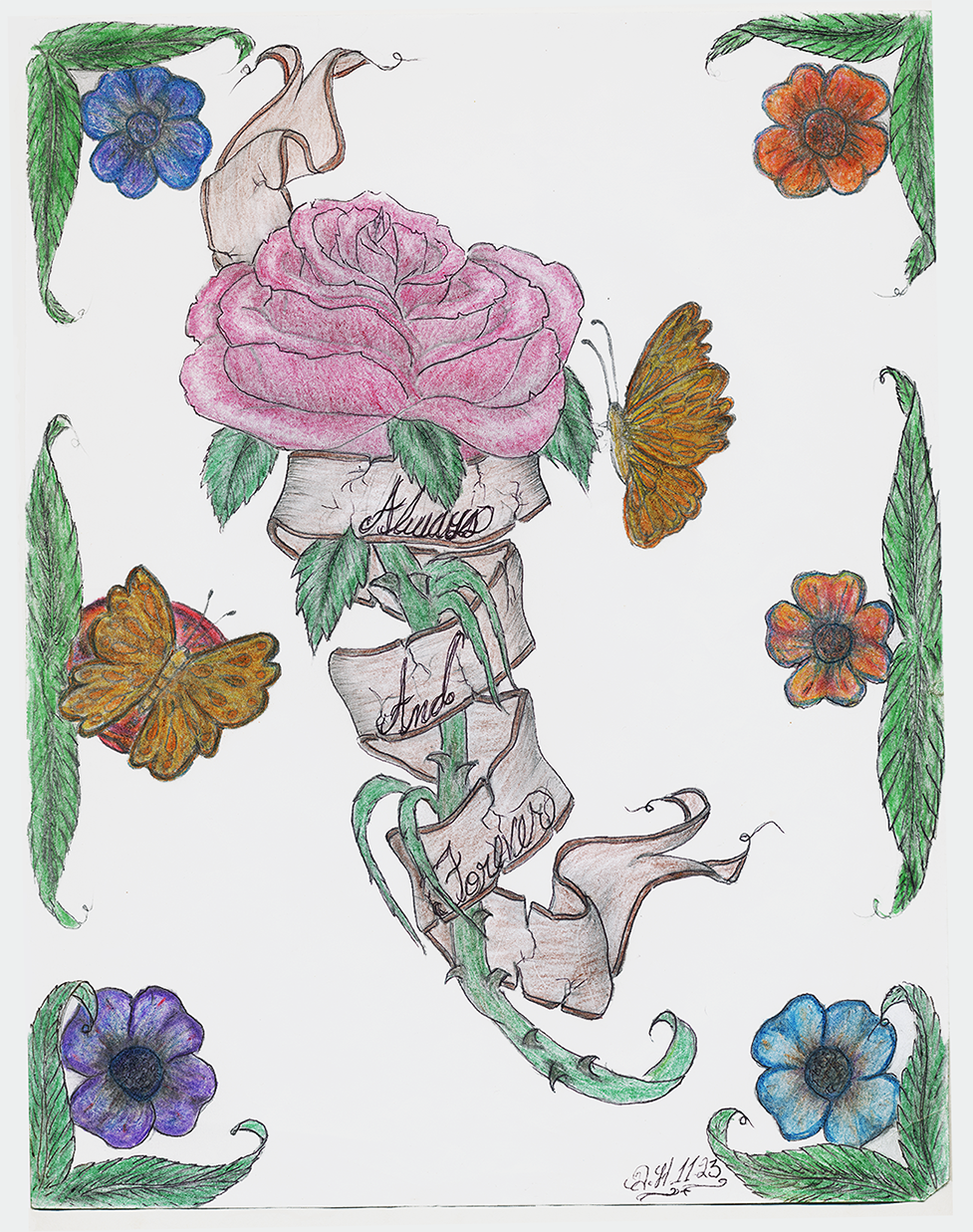
The Rose
†
Always And Forever
†
Drawing by Daniel Hernandez
Resident Artist at Returning Home
Springdale, Arkansas | Winter 2023
Fast?
Seek Penance?
Get Drunk
&
Fall
Into the Christmas Tree?
Uncle Did.
[ Granma Threw Him Out! ]
Or
Hear the Anthem, O Sapientia,
&
Lift Praise to the Heavenlies.
°
“In common parlance, certainly, the Christmas holidays comprehend a period of nearly a fortnight, commencing on Christmas Eve, and ending on Twelfth Day.”
°
Make Merry. Make Sad.
Ring the Bells. Sing the Mass.
‘Bring Tidings of Salvation Down’
Pagan, Christian
time is ripe
Merry Christmas Merry Christmas
Merry Christmas Eve.
[ 12 Days a Comin' to Get It Right ]
Eighteenth Day of December
Suspiria
Breathe Deeply She's Here
†
Beside a Highway in Eastern Oklahoma
16 January 2016
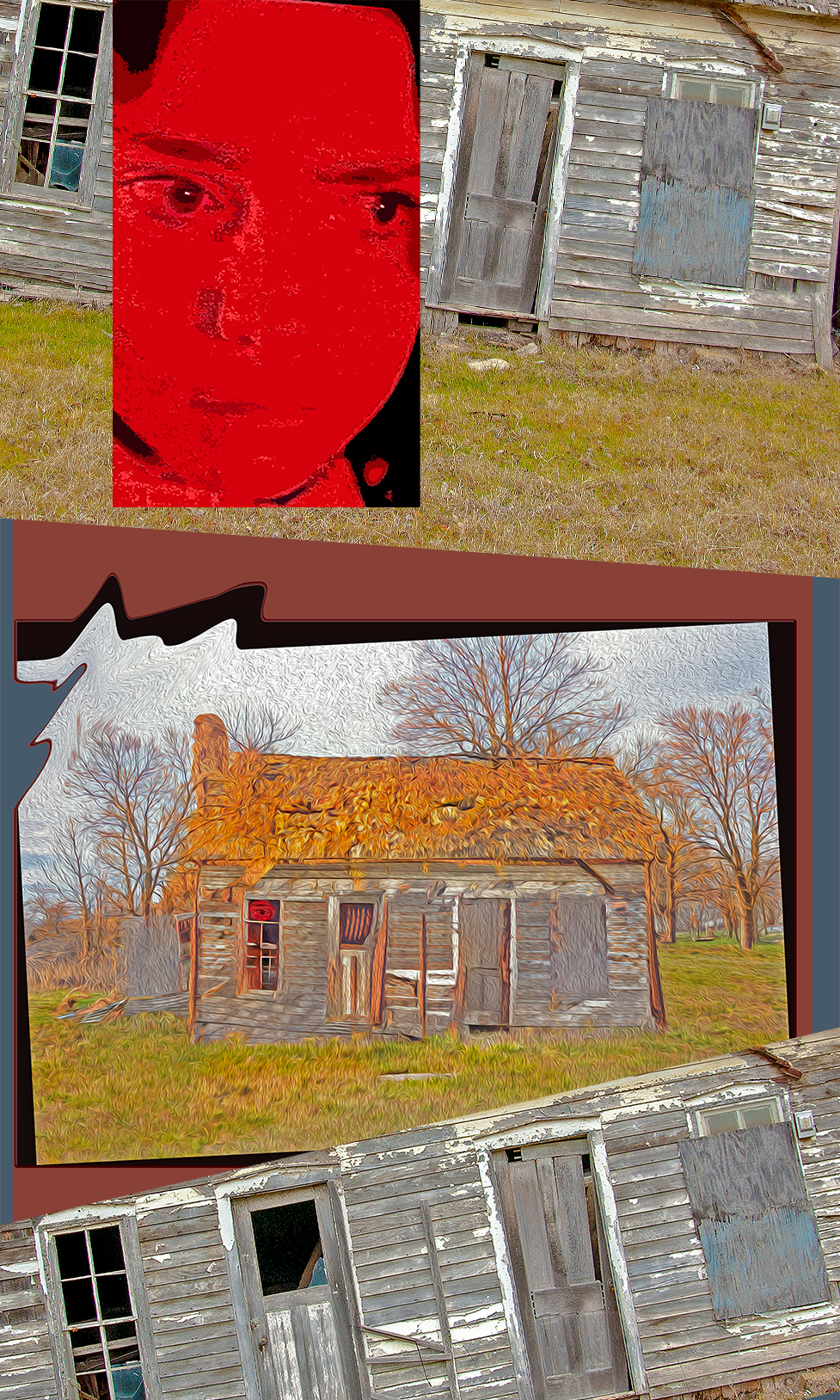
What Else Can We Do?
We're Running Out of Words.
Eleventh Day of December
Remembering Jenni
• • •
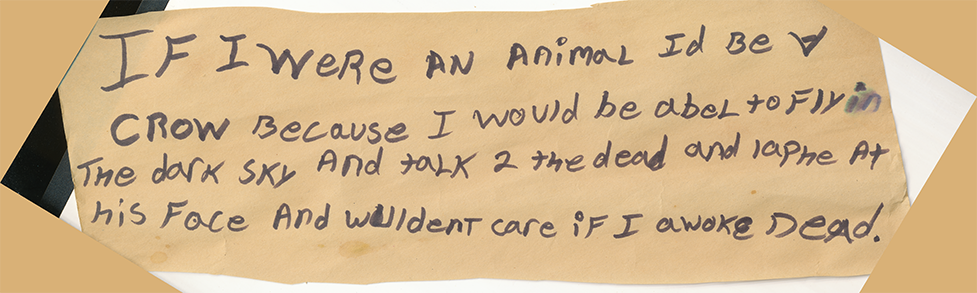
The Darkness Was Too Heavy.
So She Died. Just Like That.
O So Young
• • •
Rogers, Arkansas | 2006

The Dark Sky

Eighth Day of December
The Father • The Son • The Holy Ghost
All Is Revealed Everywhere
 So It Can
Also Be
3 Leaves of the Witch-Hazel Tree
7 ' High & Late
a December Sky
at
3 Dog Acres
The Ozark Highlands of Arkansas

Thirtieth Day of November
Tolerance
or
Resignation?
Indigo Blue the Aussie
3 Dog Acres | 29 November 2023

[
Her Eyes Are Blue
B U T
Somehow
the
Blue Faded Away
During Transition
from
Light to Pixels
]

Twenty-First Day of November
Trinity & the AndroGynous
•
To Protect & Bless
Mother & Child
•
3 Dog Acres
the Ozark Highlands of Arkansas
17 November 2023
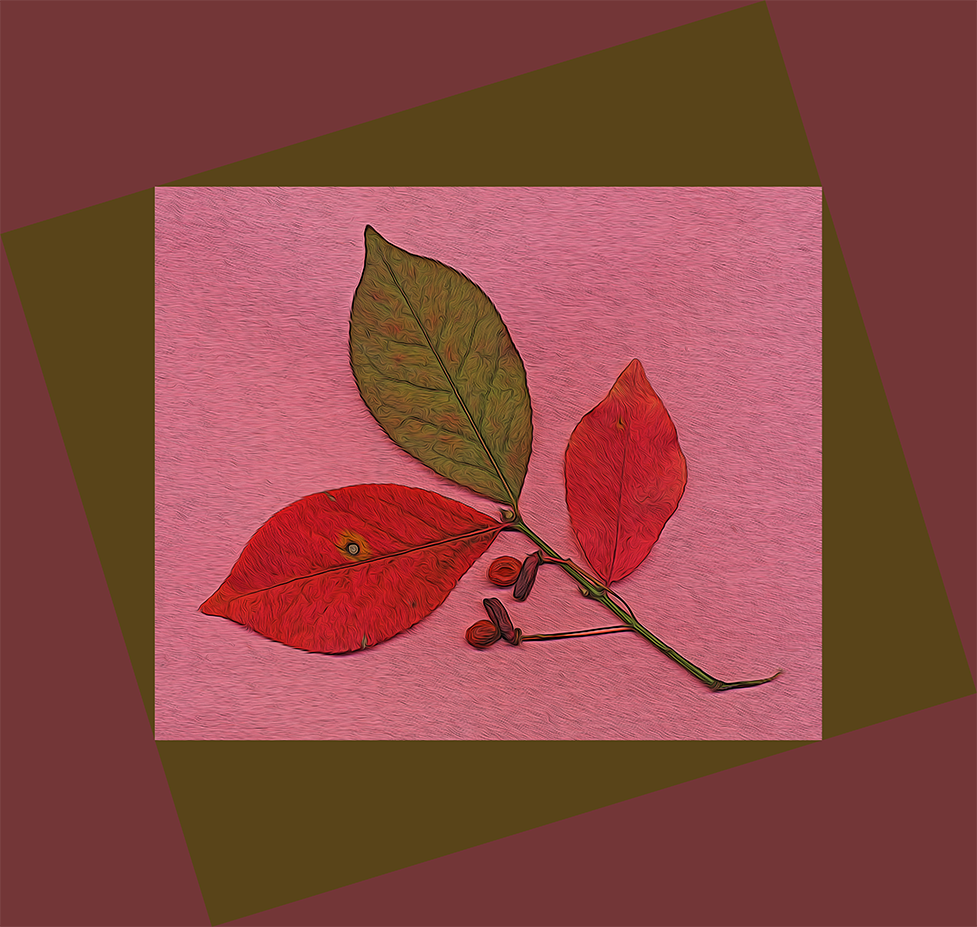
Some Say
dese r
Mere Leaves & Seeds
of a Burning Bush
÷
Mere? Seriously?
[ the inflection is upward
upward to the skies! ]
÷
&
[[ wee-ul throw dese punctuation marks
'round de fields like spears ]]
yes, but
4 2 many
it be a fight to the death
seriously
on dese fields,
spears
…
not bean cute,
just can't save dere lives,
just tryin' 2 save pixels
save meself
on a blighted plaine
’neath de Highlands

Seventeenth Day of November
A Sales Pitch to the Skeptical
Whole Foods | Fayetteville, Arkansas
17 November 2023

So, What Words Can I Not Pronounce?
U?

Sixth Day of November
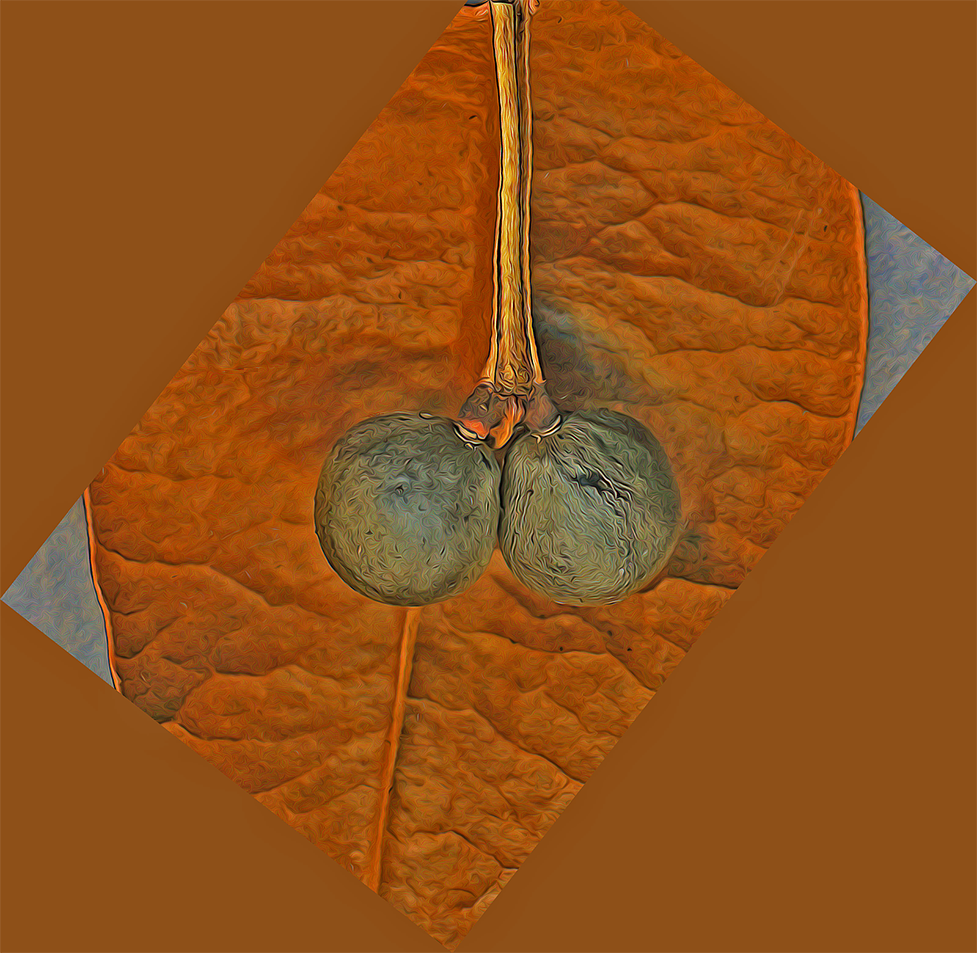
A Natural Pair
Seeds of the Golden Raintree
§
Native, You Say.
Compared to What?
§
3 Dog Acres in the Ozark Highlands of Arkansas
6 November 2023
 Church on Sunday, sleep and nod
Tryin’ to duck the wrath of God
Preachers fillin’ us with fright
Teachin’ what they think is right
They really have to be some kind of nut
Tryin’ to make it real,
Compared to What?
from
Swiss Movement
Les McCann & Eddie Harris | 1969
Second Day of November
Lady in Waiting
Snared in a Red Oak Leaf
The Ozark Highlands of Arkansas
2 November 2023
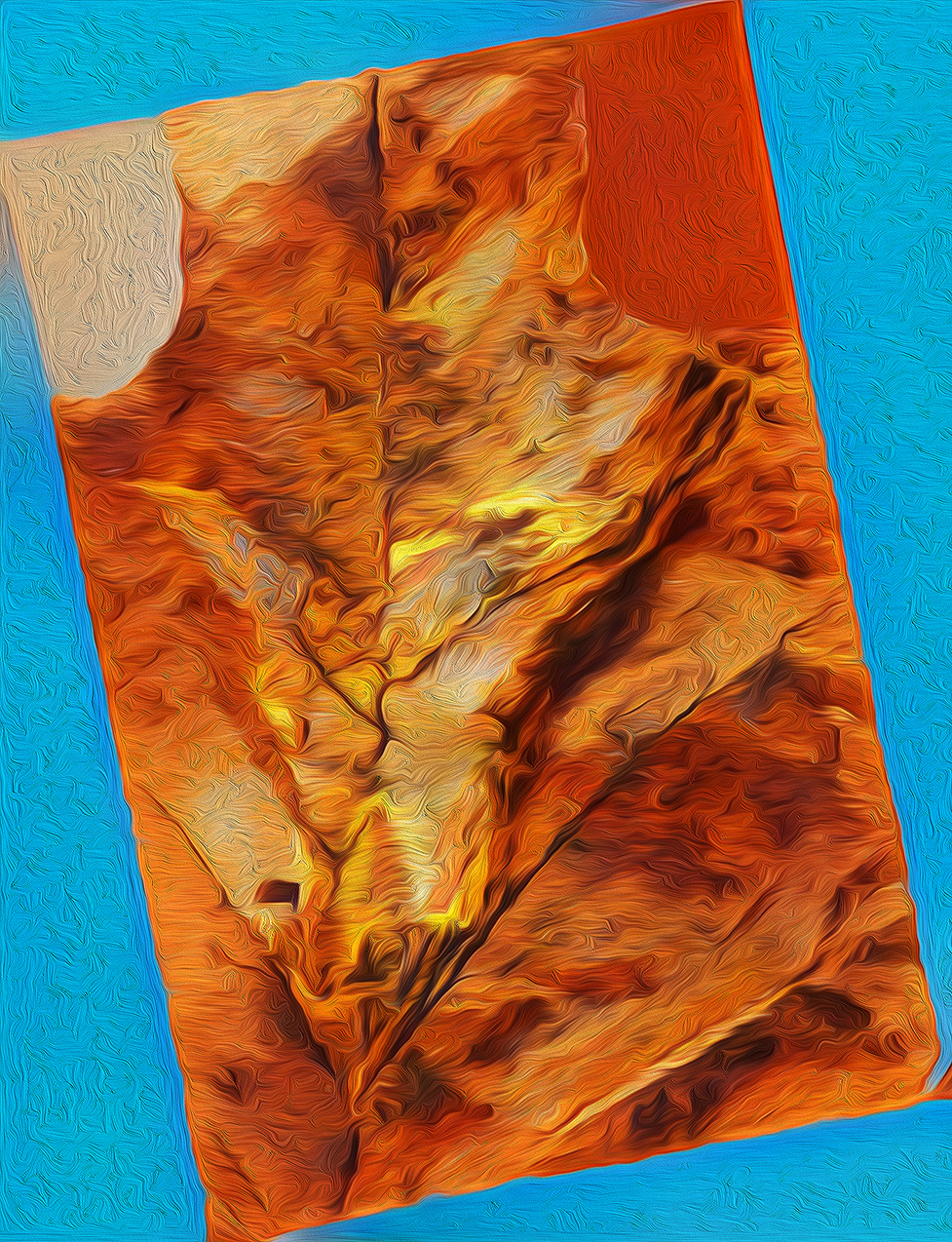
She's there. Seriously. She's there.
[ yes but ]
We See that which We Choose to See.
[ or not ]
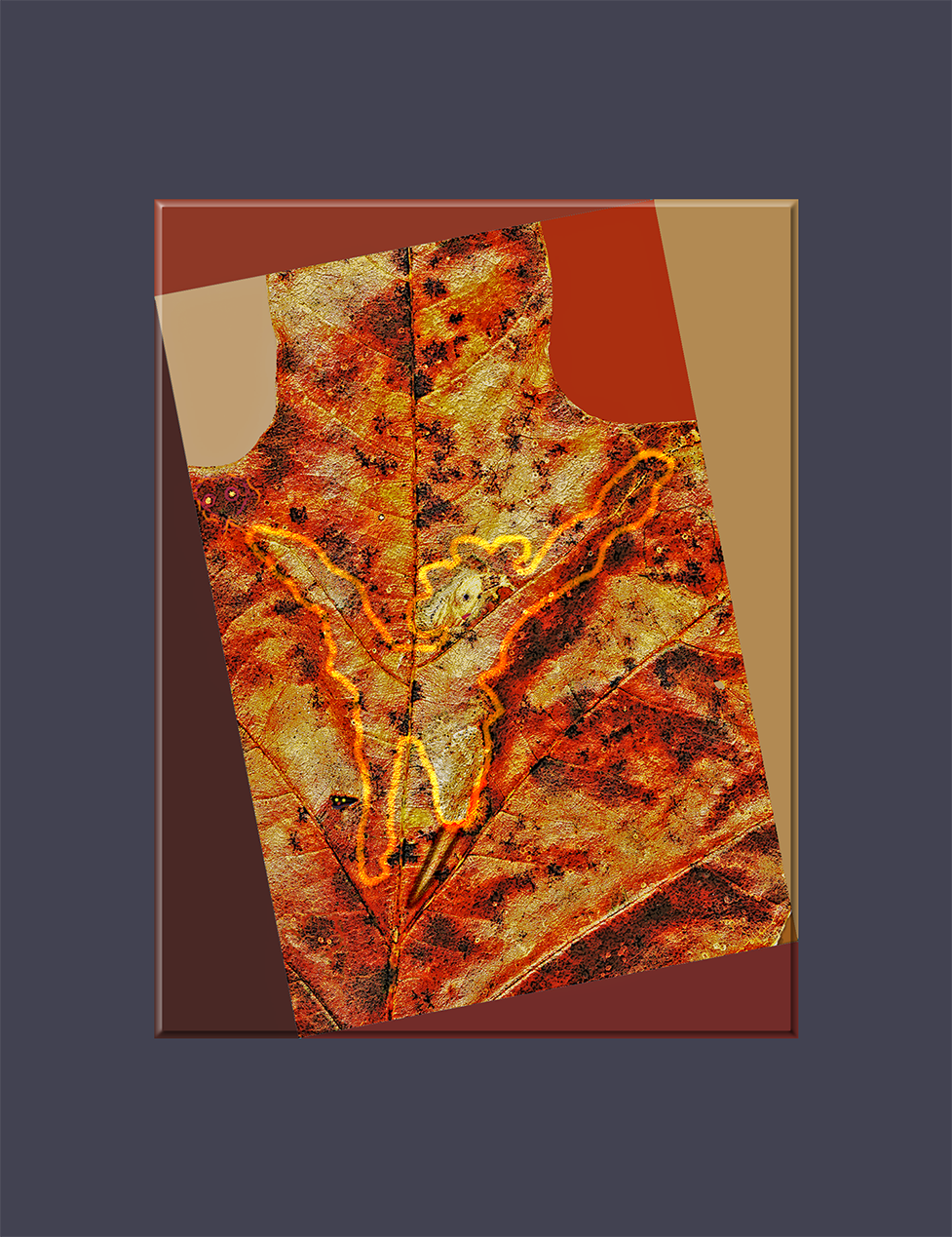
Even a Mystery Lady Can Wear a Peg Leg.
• • •
[ What then . . . for What ]
Might She, the Lady,
Be Waiting?
[ for ]
Thirty-First Day of October
The Electric Bride
[ They Tell Us She is Elsa L. ]
•
Here … in the Highlands,
Doomed at Birth,
She Is
Another Fleeting Image.
•
3 Dog Acres | 31 October 2023

in dutiful homage [ kinda ] to Andy the Candy Man
The pixels are rough 'n scattered,
smaller 'n smaller
agitated.
but the Maker won't stop.
So,
Hear This!
The Portal of Boreas is broken,
the billion of squares
r leaking out.
•
So,
Listen!
It be fallin' apart.
Choose now.
Jump in!
afor it be
too late
&
crumbles.
Twenty-Ninth Day of October
Best Friends
Faye Weaver and Gloria Bowman
Grafton, West Virginia | 24 August 2009

Rays of Sunshine They Were
&
It Were a Warm Summer Morn
&
Best Friends They Were
&
We 3
on a
Street of Strangers
Played
at
Being Human
&
Embraced
Thee 2 the Moment
&
Thee 1
An Image
&
•
&
Waved
Farewell
Apt.9 L Made in Sri Lanka
[ or so it seems ]
Twenty-Sixth Day of October
The Human Condition #1
The Ozark Highlands of Arkansas
26 October 2023
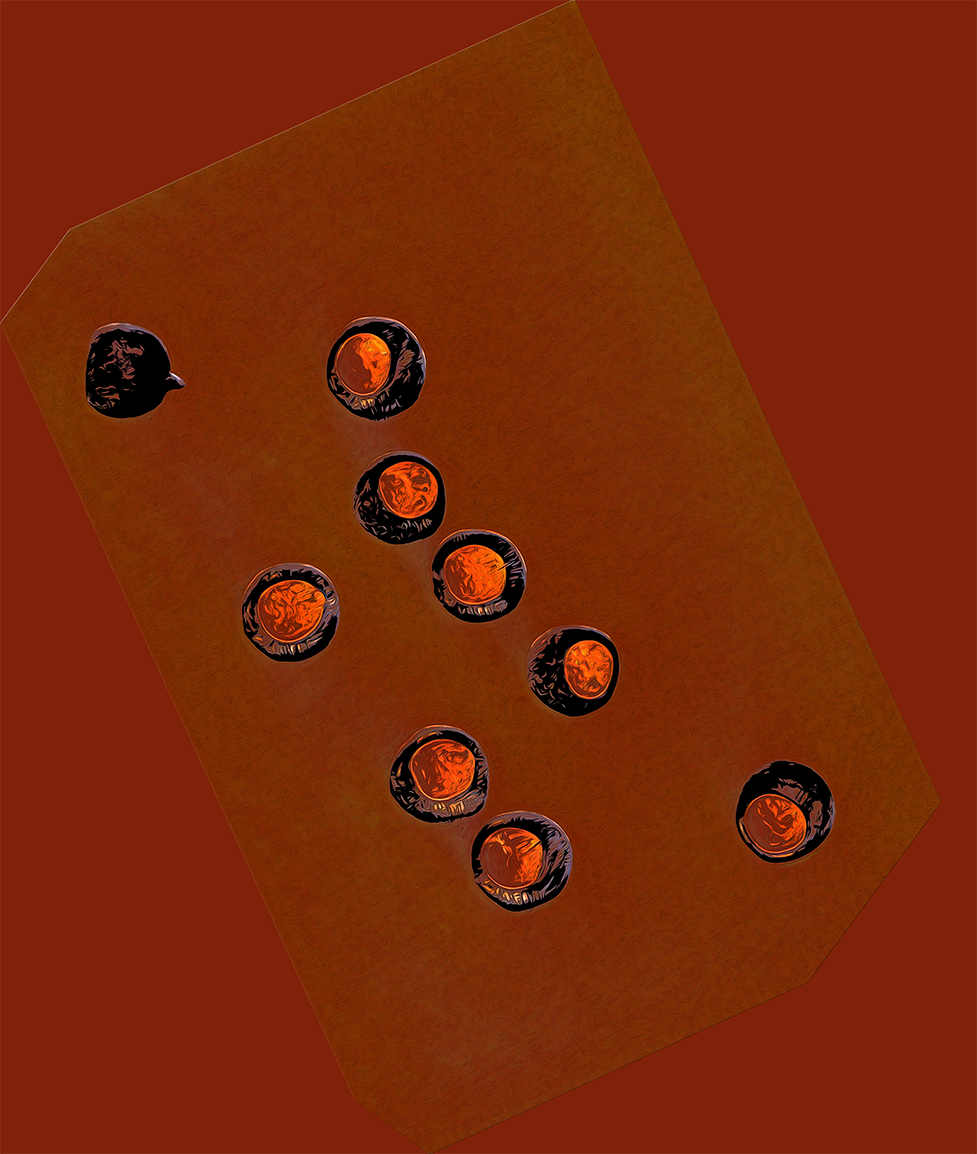
The Notion Is Exclusion.
Gone neural,
9 acorns
bestowed by Ruth, the Old Oak,
become symbols
for the exclusion
of The Other.

Conflict Rises Up from the Exclusion.
two
acorns-become-symbols
face off,
angry and confused
•
the excluded,
&
the Band of the Compliant.
•
Conflict begins,
’ner to end.

&
The Notion Is Isolation of the Individual.
At the last,
when the dust falls
under leaves of the old oak,
we are left alone in mysterious silence.

23 October 23
4-Leaf Clover 7 Days Picked
The Trinity as Majority Twisted by One
†
Heed the Sign of the Four
3 Dog Acres
The Ozark Highlands of Arkansas
16 October 2023

Everywhere Covered with Verdure
“If we next turn our thoughts to the place we inhabit, we find ourselves situated on a vast globe of land and water, altogether made up of wonders, and displays such a degree of contrivance and perfection, as mortals can neither describe nor comprehend. This globe may therefore be considered as a museum.”
from
Reflections on the Study of Nature
Translated from the Latin
L I N N Æ U S | 1785
M.DCC.LXXXV.

Some Neurons Are Artificial
Twenty-First Day of October
Polka Dots
3 Dog Acres in the Ozark Highlands
21 October 2023

Nineteenth Day of October
Fallen Angel
±
Driven Down by an 88
Known as Canis Major
&
Found ’neath an Old Oak
±
3 Dog Acres
In the Ozark Highlands of Arkansas
19 October 2023

falling everywhere
everywhere
all the time
&
the fawns,
dancing
•
the lily,
crushed
•
[ quite by accident ]
[[ of course ]]
they did it
•
dyin’ by the thousands
everywhere
all the time
•
o me
o my
die
do die do die do
everywhere
all the time
Fifteenth Day of October
A Palette of Fallen Leaves
Found on the Ground at 3 Dog Acres
In the Ozark Highlands of Arkansas
15 October 2023

Ruminating about Wars & Rumors of Wars
As Seen and Heard on Television Broadcasts
[ From Far Away Places
On Planet Earth ]
• • • •
&
Doing So,
We Give Praise for Peace at Home
&
Wander the Earth
In Search of Color & Shape,
Not Blood,
Not Broken Bodies,
But the Fallen Leaves of Autumn.
Twelfth Day of October
“We Have No Other Place to Go”
אין לנו מקום אחר ללכת אליו

Eighth Day of October
Love Transcends Violence.
§
The Veterans Administration Medical Center
Fayetteville, Arkansas | 3 October 2023
¿
[ does it ? ]

Adapted from a Tee-Shirt
Crafted by a Survivor
‡
Reminding Us
of the
Horror of Domestic Violence
‡
[ Lest We Forget ]

“Yes, Child, Love Wouldn't Do This.”
Second Day of October
Ave Crux Spes Unica
Church of the Holy Cross | Hell's Kitchen
New York City | 8 December 2016
Jesus, Death Is at Hand!
Save Us!

From an Art Nouveau Masterwork
By Louis Comfort Tiffany


[ if'n u look closely it is there ]
so what ?

ok. that's better.
Let's Go to Mass.
First Day of October
My Heart Bleeds for You
The Half-Shell of a Black Walnut
3 Dog Acres in the Ozark Highlands of Arkansas
31 March 2022
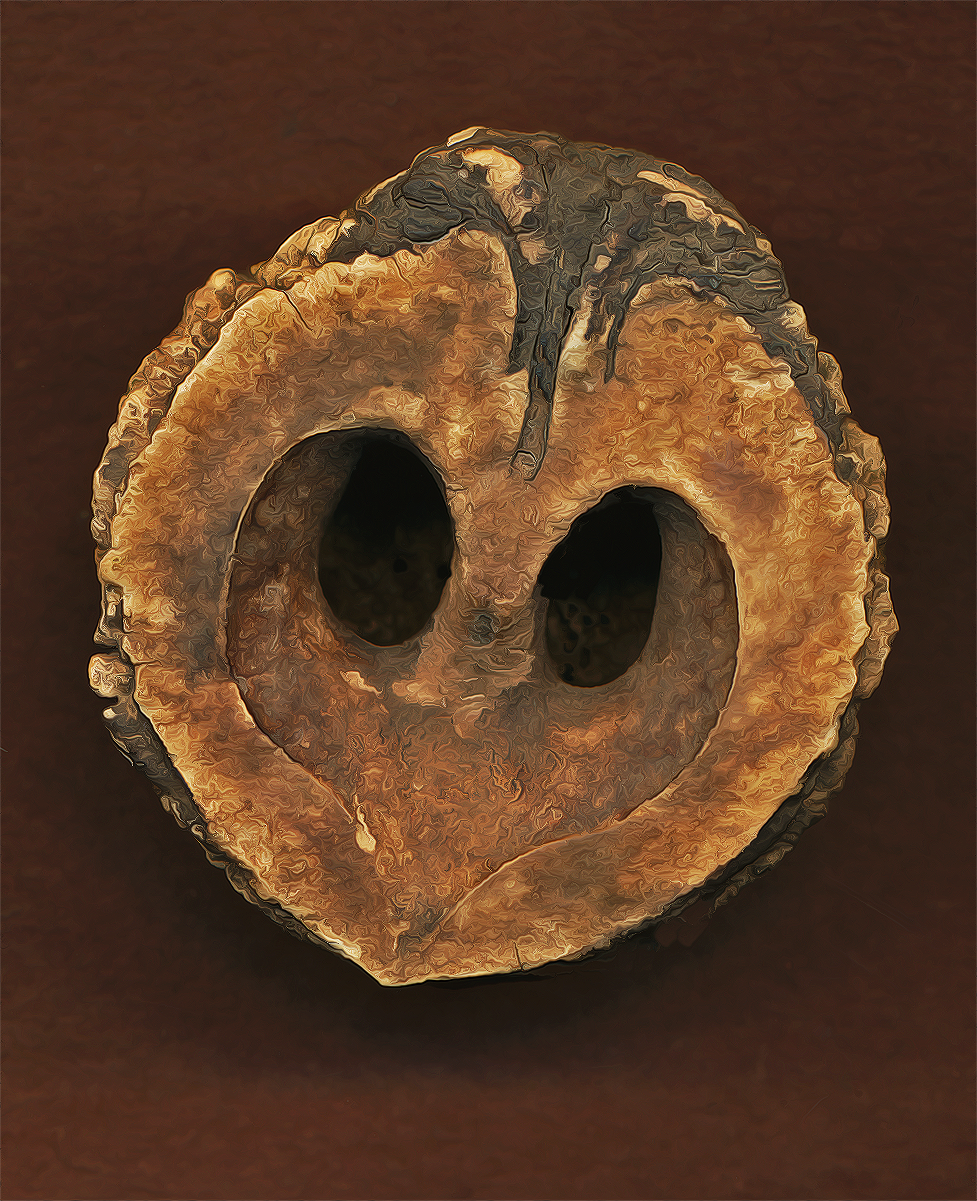
Swallow the Pill. Swallow the Pill.
“Yesterday, I was standing here, my pressure went high. I almost died. Vodka saved me.”
Twenty-Ninth Day of September
Enduring Classic
A Leaf of the Golden Raintree
3 Dog Acres in the Ozark Highlands of Arkansas
29 September 2023
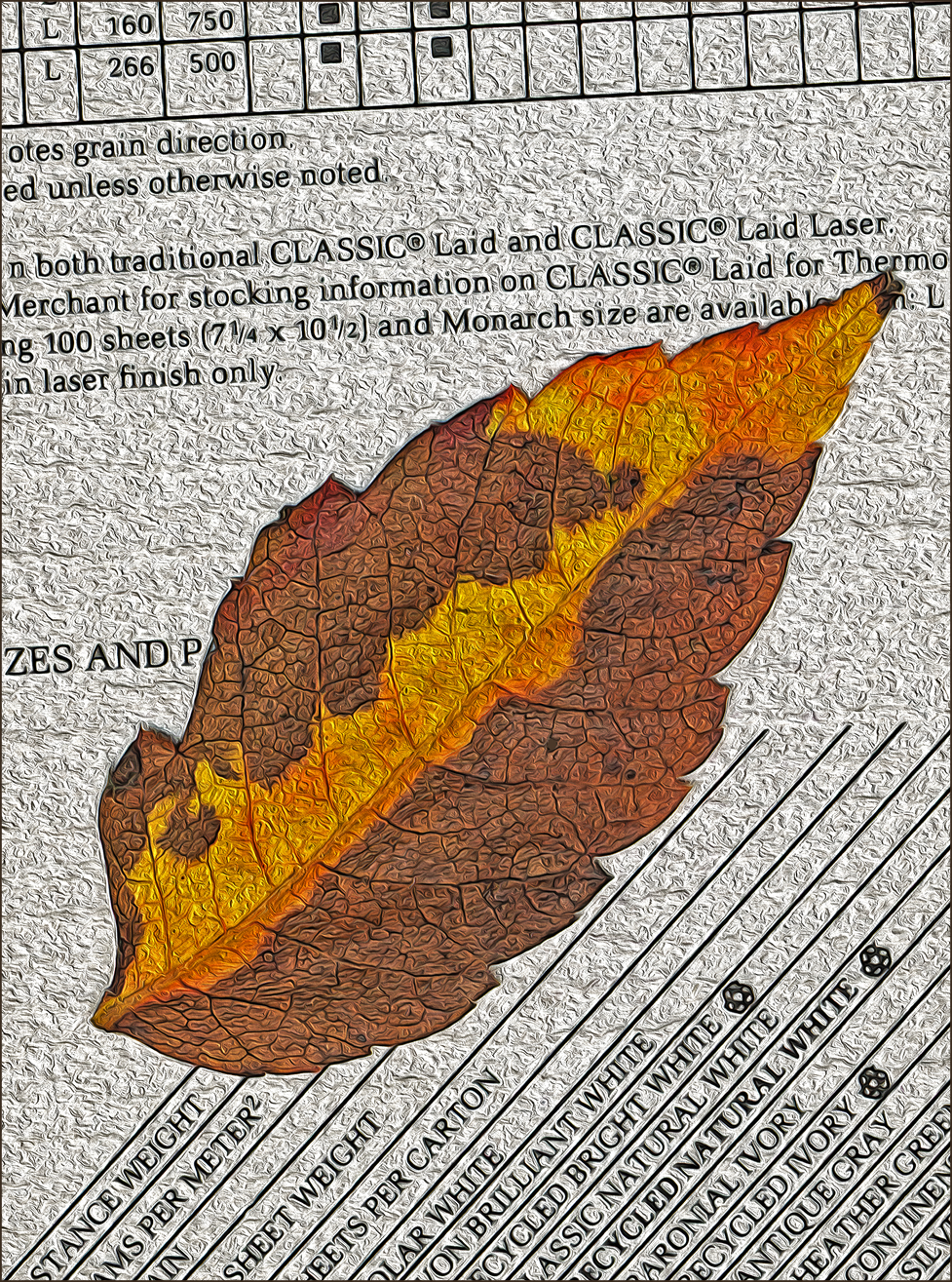

Is this the Breakdown?
Or the [ inevitable ] Breakthrough?
•
thinkin’ ’bout spider
brushed away
from the door screen
the bedroom
last night
•
wondering if'n spider
was hit
too hard
clinging calm ’n tight
•
[ the i the i ]
meant no harm
tenacious ° oblivious ° spider clung
primal fears
So,
B L A S T
into the dark spider falls
•
be welcome O spider
spin webs
share territory
most all of it
yes
but
not there
•
[ on the screen ]
‡ ‡ ‡
from
The Journals of Harry Pierce, Volume III
1949

95 - 85 = Ten Cents Off.
War Is Cheap.

Twenty-First Day of September
Determination
A Boy at Work in the Mississippi River Delta
Helena, Arkansas | Summer 1979

S o S t r a n g e
What remains, then,
other than the BLAST
at night
&
IT
slippin' away
&
distracted, again 'n again
following a strange
entangled
synaptic highway
so strange
all the way
to Vanilla Girl's Roundabout
Too C U T E ! she is
so strange
Bard say punctuation don't much matter
anymore
N O W » » » that'll change
new - ance
'n such 'n so
yes
but
Bard be brilliant, wears a starry necklace
a masterwork of zeroes 'n ones
&
ain't she beautiful
she sparkles like a phonon
[ not your casual pho nom e n on]
y e s , she sparkle
quanta bright
'neath her new cascading moon
.
What remains?
What remains?
‘I remain,’ Lee Scratch sing.
I remain
2
&
outta de corner of me eyes
i see the dark streaks
the rolling
dark balls
from
The Journals of Harry Pierce, Volume V
1949 & 2022

Tenth Day of September
She Could Be a Queen
With Her Crystalized Golden Crown.
She Could Be [ by appointment ]
Ruler of Any Next Alternate Universe.
±
Leaf of the Tulip Poplar Tree
Found Fallen on 7 September 2023
3 Dog Acres in the Ozark Highlands of Arkansas

see a hound dog
or
a woman in white, looking down
or
a skull, encrusted
or
rabbit, orange 'n yellow
or
cardinal bird, looking left
or
my dark dancer
who
can morph
»
then
»
then
»
a six-legged crystal beast
[ as many legs as we need ]
dancing her path
to your doom
My
Crystalized Queen
• • • •
dancing
What say thee,
Bard of Palo Alto?
[ a l t e r n a t i ve , t o o
it's all there • • • • in the pixels ]

[ obscure ?
§
text
§
just text
§
passing by ]
Eighth Day of September
I H e a r t Y o u
An Adolescent Leaf Falls Early
in
The Ozark Highlands of Arkansas
3 Dog Acres | 8 September 2023


Twenty-First Day of August
The Chain Is Broken
One Side: [ that which ] We Believe
&
The Other: [ that which ] We See
Flung Outward
from the
Ozark Highlands of Arkansas
21 August 2023
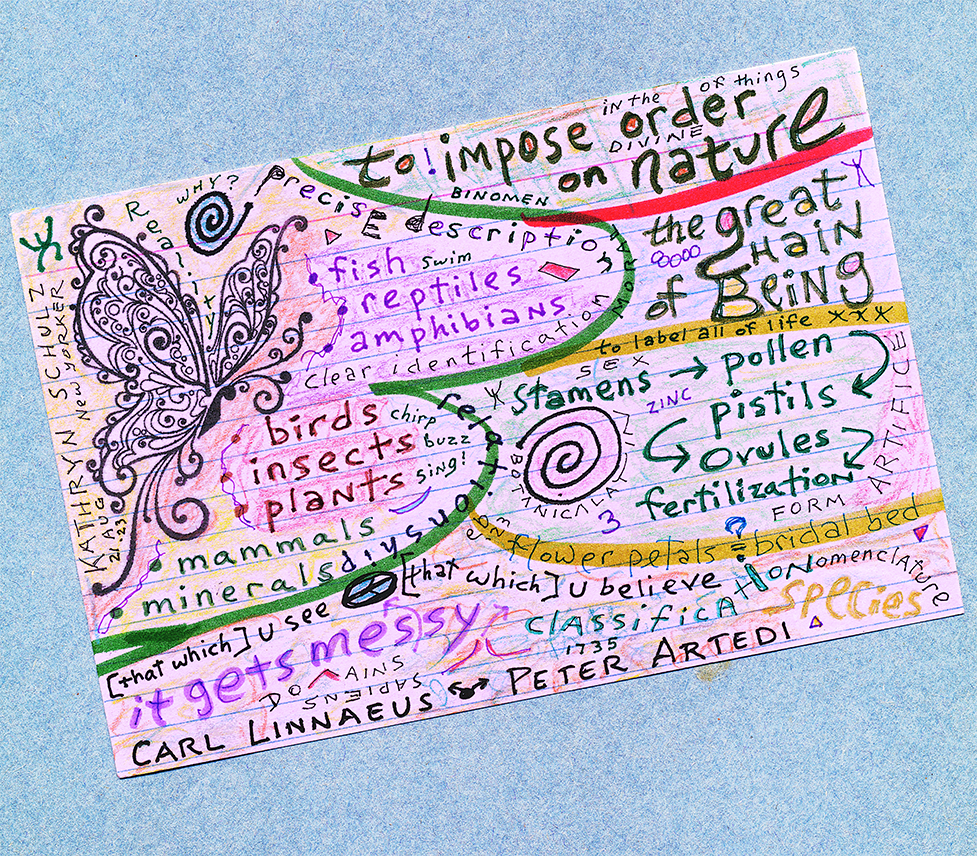
Don't Believe a Word of It.
Hush Hush! The Word Is Out.
“Above, the sky was so blue, so blue. Beautiful. There was quiet. And the ruined factory. Like the apocalypse.”
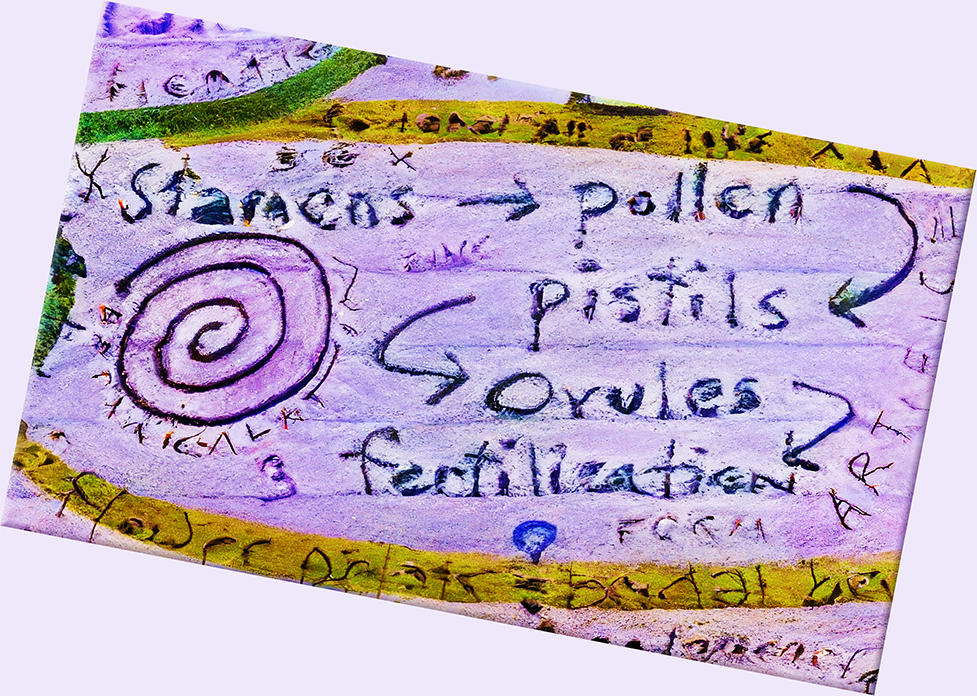

“The invaders will die like dew in the sun.”
“The remaining three didn't leap and were promptly eaten.”
“Here there is nothing. It’s all for them, not for us.”

Fourteenth Day of July
Delta S on Bastille Day
» «
If You Don't Have Zero,
Then You Can't Pass Nine.
» «
The Ozark Highlands of Arkansas | 12 July 2023
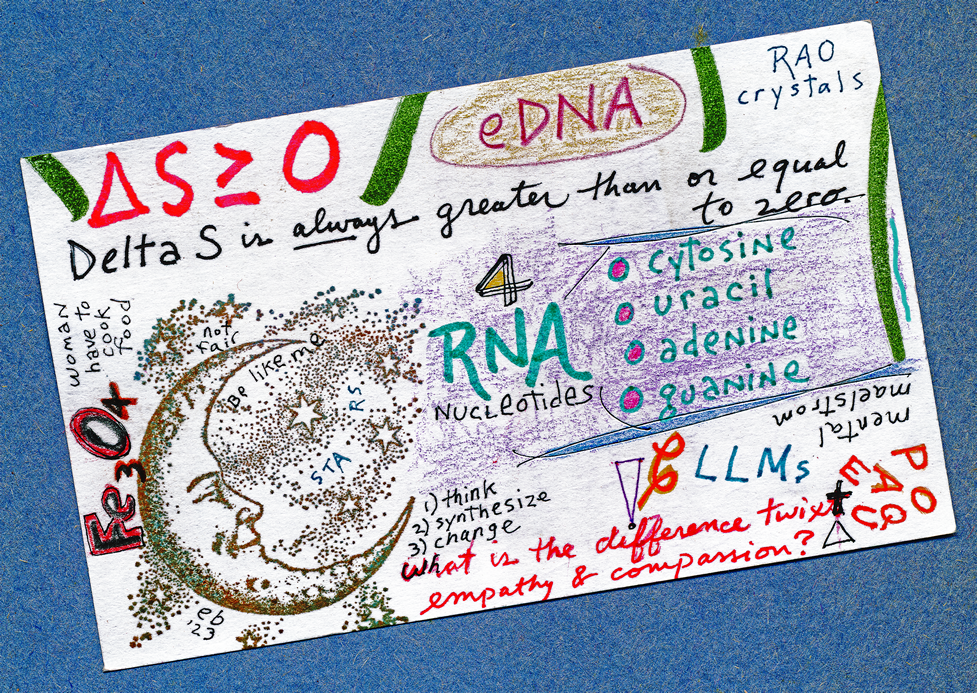
Blood of Life
&
Old Turtle
You are naught more
than an ecto-thermic tetra-pod.
Even the turtle knows better.
[ Skinks, too. ]
None, however, know the formula for eternal life.
Slow the heart.
Slow the heart.
Beat. Beat. Beat.


“Eternal life? It depends,” the scientist said, “depends on physiological maintenance.”
“Want eternal life?” the Priest asks. “Then drench your soul in the Blood. Drink the Blood.”
“God's blood?” asks the penitent.
“The naked mole rat is being scrutinized,” the scientist said.
“What about the blood?” the penitent insists. “I’ve heard it’s naught but wine.”
“Let me tell you about the oldest living terrestrial animal,” the scientist interjects. “His name is Jonathan. He's an Aldabra tortoise.”
“Abra ca dab ra,”
Oskob de Opposite
[ ever changing ]
interrupts.
“No! Not magic,” the priest abjures. With his left hand he jangles a golden cross. The cross hangs round his neck. A man hangs there, too. On the cross. But Oskob de Opposite? Who dat?
[
Tran-sub-stan-ti-ation.
Mogen David becomes the Blood.
Drink and you live forever.
]
A silence falls into unoccupied spaces.
The priest, the scientist, the penitent exist in the silence between the words, above and removed from old Jonathan, scraping beside a wall of pale yellow tuff, ash and lapilli, forged by a fiery volcano into [ ultimately ] stoic giants.
All mixed up it be. Beyond repair. Yes, but.… We canna stop now. Not ever.
The giants look inward. Jonathan crawls on the basalt, then pauses. The silence drifts like a feather, a tiny feather from the indigo bunting, maybe from the ruby-red cardinal bird. Few are ever sure. Someone needs to break the silence.

“They speculate that Jonathan has lived on Saint Helena Island since 1882. He may be as old as one hundred ninety,” the scientist said.
“That's not forever,” the penitent said.
“Jonathan is blind now,” the scientist said. “He can’t smell. They feed him by hand.”
They must love him, the old turtle. So, he has love. So, he shant live forever. He canna drink the Blood.
from
The Journals of Harry Pierce, Volume V
1949 & 2022

Sixth Day of July
From the Mind
of
Leroy Hood
°¿°
[ Come on, give him the prize. ]
13:36 hours 6 July 2023
The Ozark Highlands of Arkansas
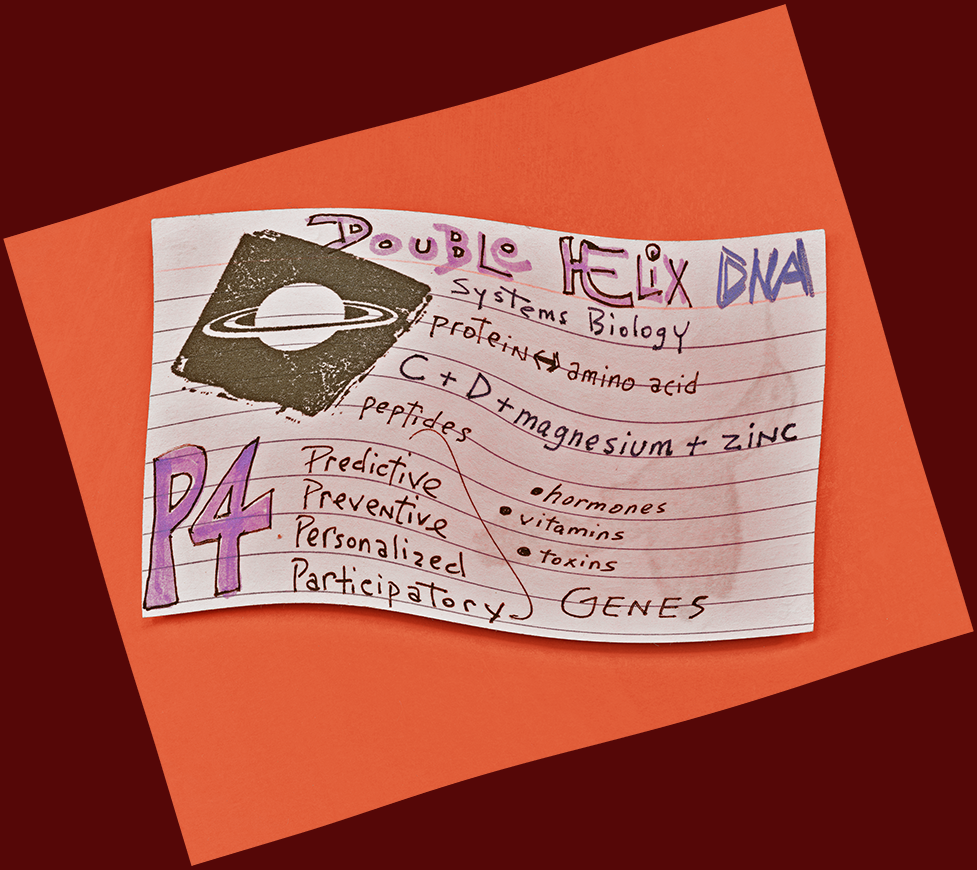
“Can I continue
to live
on chocolates and cashews?”
she queried Mister Artificial Imagination.
“Yes.
Just not forever,”
saith Byted Sage,
one of billions and billions [ of stars ]
of Byted Sages
huff puff
forever?

Fourth Day of July
Words Strung Together
[ — While Taking a Spin on the Great Wheel — ]
Independence Day in the U.S.A.

This Is What May Happen
After Reading the Sunday New York Times
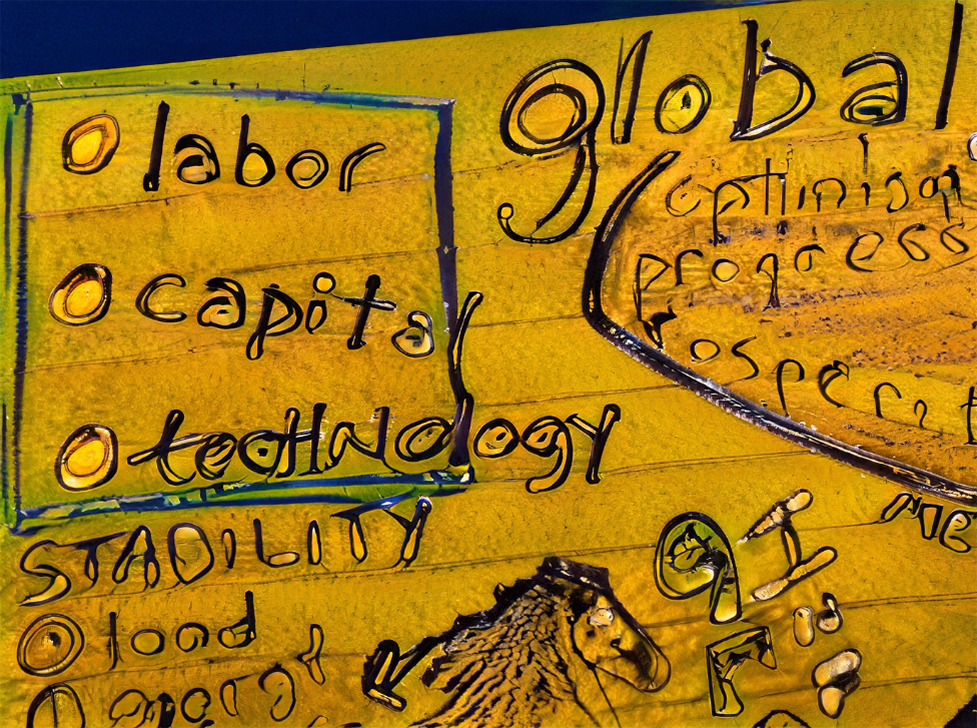
They Think They've Got It Figured Out
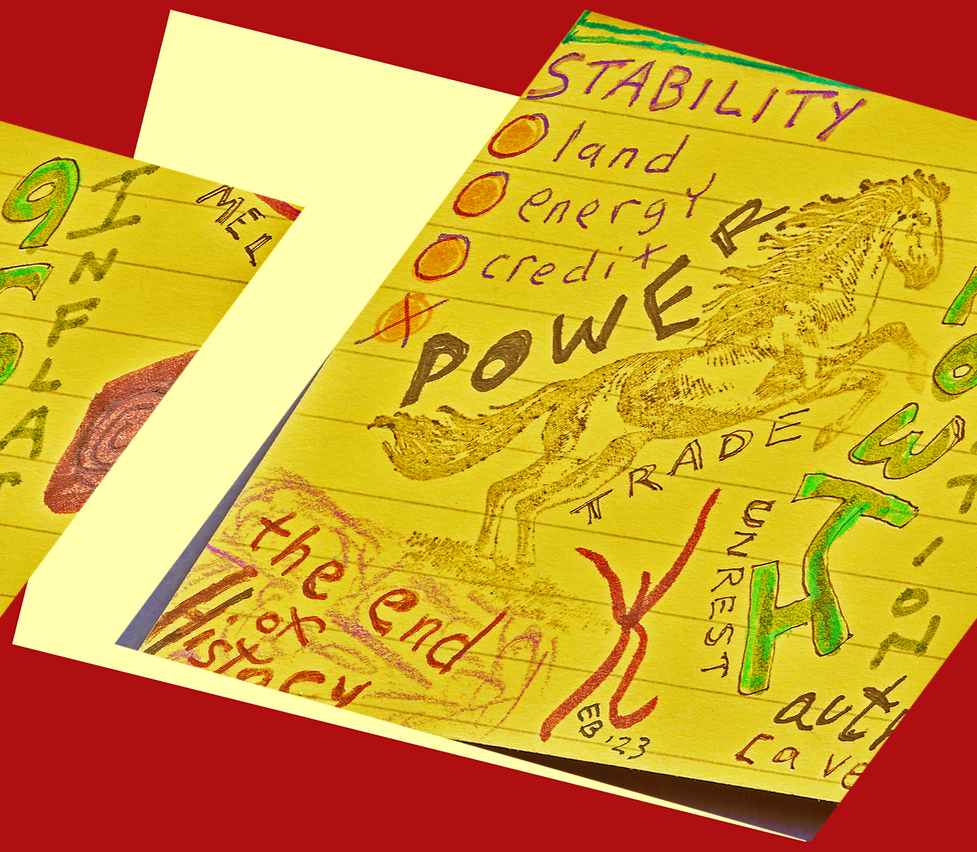
Their Grasp on the Spinning Rails
Of an Ancient Spiral Is Rather Precacious
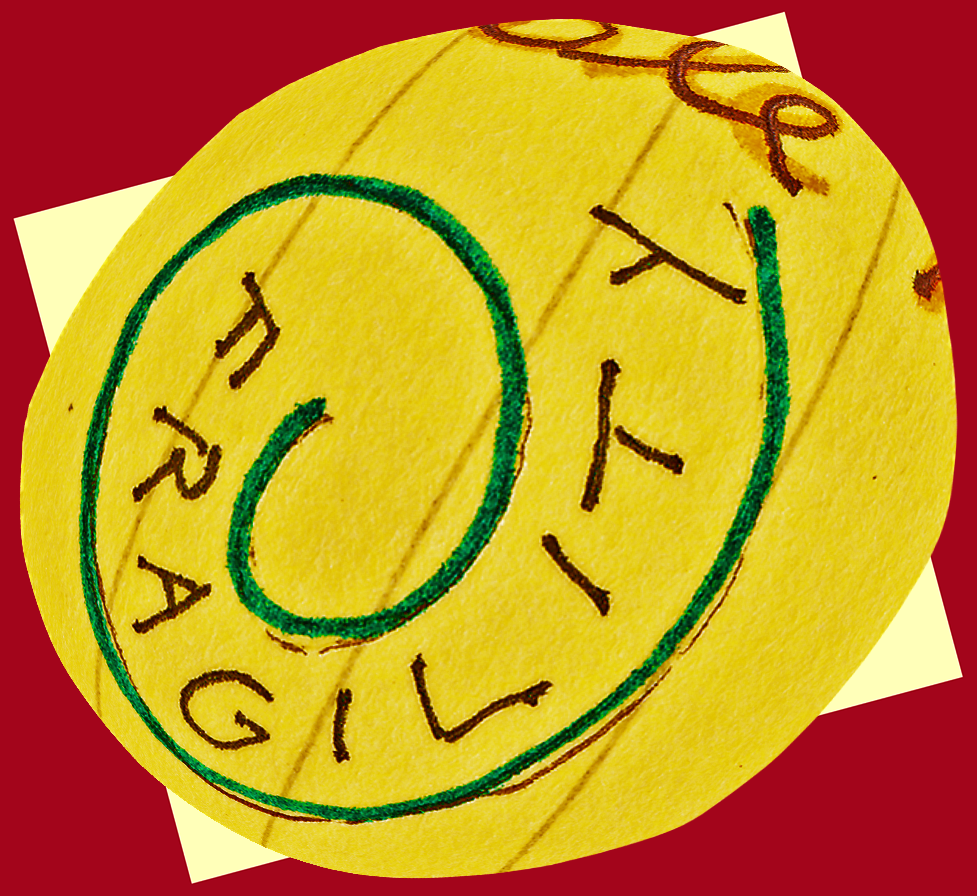


?
Third Day of July
All the Way from McAllen
Summertime 2023
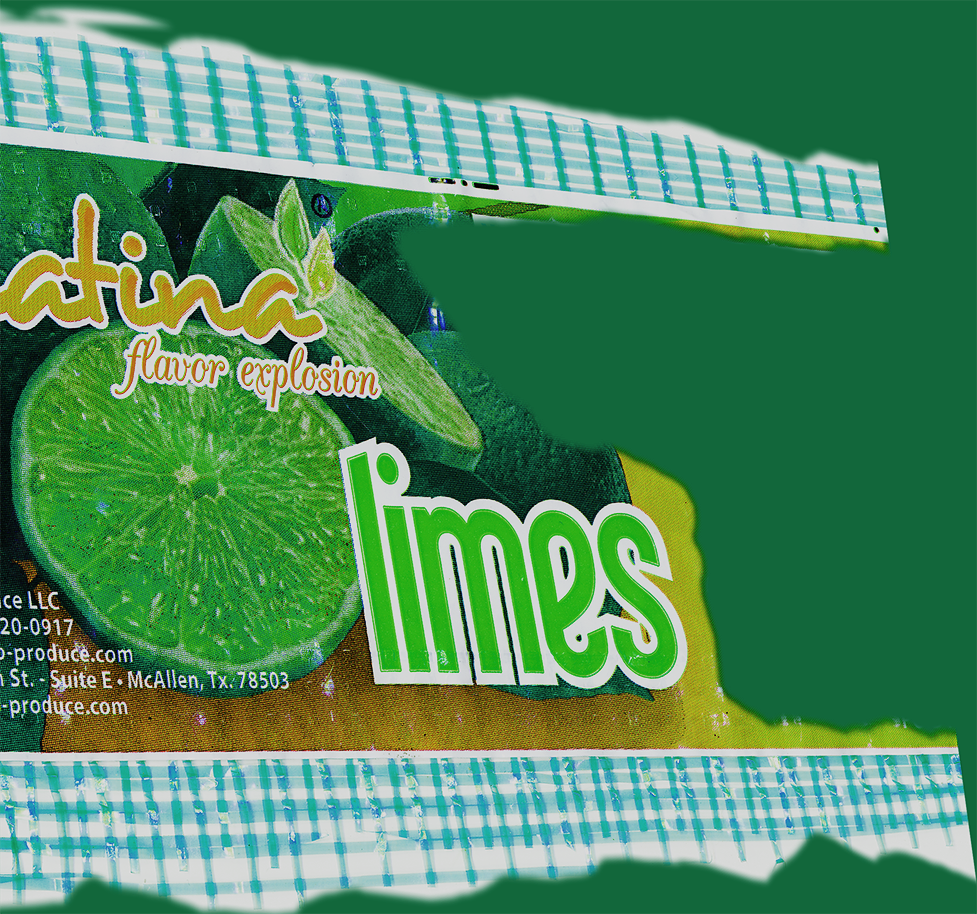
i-Latina
A lime, the package states, delivers 20 calories to a thirsty human body — sixty-five grams of flavor explosion, harvested by hard labor from the trees of Jalisco or Colima in Old Mexico.
One lime, scientists claim to have discovered, injects a dash of carbohydrate and a splash of dietary fiber into the sapient system.
Eat one, juicy and tart, and you'll likely gain a third of your bod's ‘daily requirement’ for Vitamin C.
It mixes well, the lime, becoming a familiar companion to many kinds of liquid refreshment, some stout and others slyly seductive.
Ah, but you know this!
McAllen, we understand, is merely a way station on the lime's journey to its fate, conveniently situated — the city, not the lime — in the middle of a sleek corporate byway, linking far-away farm to nearby grocer rattle rattle rattle.
An interesting place, McAllen, one of the Lone Star's southernmost outposts along the borderland between Republics — melting pot, salad bowl, or active volcano we canna be sure we be yet to see what happens at the end.
A tasty little tart, too — the lime, not the city — sliced into parts with a sharp kitchen knife and laid bare on the faux-marble countertop.
One part of the lime floats in a decagon tumbler here beside me, an irregular quadrilateral of juicy fibers, splashing and blending as she, the lime, releases shards of energy into the mix.
I can't say exactly where we are.
But it's inevitable four hundred fifty-four grams to the pound lots of limes lots of limes.
I lift the glass to my lips and drink of the cold water of life.
The purpose is fulfilled.
Seventh Day of June
Woman and Dog
Eureka Springs, Arkansas | 22 October 2022

a lemon
I understand why you
drifted away
Where R U now?
[ some others
R on de beach
back somewhere. ]
[ a lemon
on white . . . . barely seen,
even on the beach ]
He knows I know | U 2.
Who cares if'n it don't make no sense.
The fragments fall.
Shrapnel and glass.
Disintegration.
Long time ago.
Begun.
Sixth Day of June
Dancing Flame #3
Triangle on the Loose
Somewhere in the Ozark Hills | 24 October 2022

They Tell Us It Doesn't Work
“ [ but what it is …that doesn't work … we canna remember ] ”
Seventeenth Day of February
Orb
Stuck to a Blood Orange
Sweet Produce from the City | 8 February 2023

Available ONLY in Winter
They tell us
that
one blood orange,
organically grown,
provides the human body
with
one hundred sixty percent
of the body's daily requirement
for
Vitamin C.
YES BUT
How do they know?
Body A + Nutritional Need B = Percentage C
Made up stuff.
Harnessed by marketeers
[ buccaneers so sweet the sound ]
to mathematical proof
— scientists at the ready —
and
published for any head to read.
[ But to digest? ]
Today. No.
We shall not eat of the Little Book.
Blood orange instead.
Tasty.
All Choked Up 
Fourteenth Day of February
A Wall in the Studio
3 Dog Acres
The Ozark Highlands of Arkansas
14 February 2023

Thirty-First Day of January
Let Her Fly Number 15 !
The Professional Quarterback Throws a Pass.
He Is Patrick Mahomes of the Kansas City Chiefs.
November 4, 2018 | Cleveland, Ohio
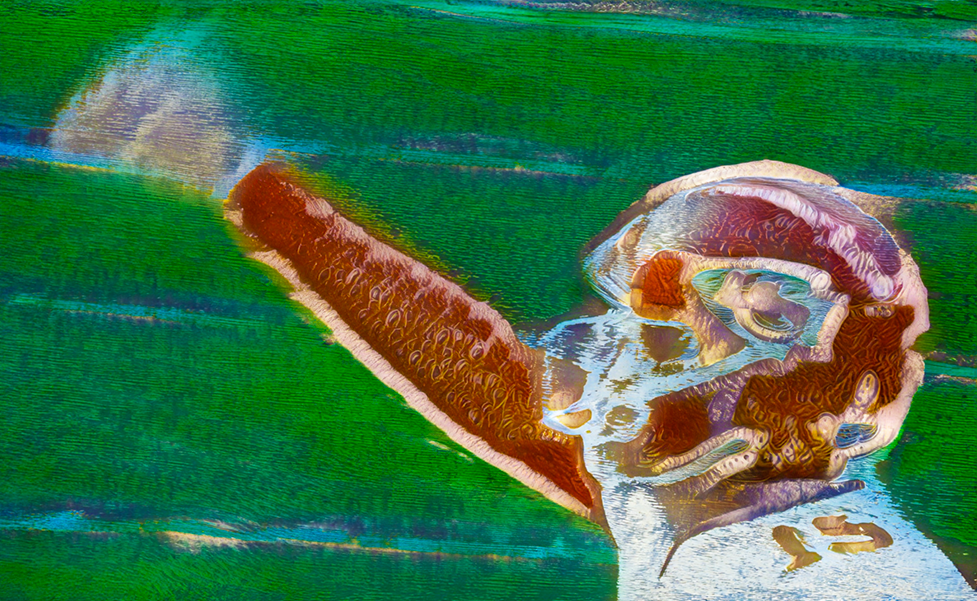
The Visiting Team Won This One.

“Everyone has got used to people dying, that they’re killing peaceful citizens for completely incomprehensible reasons.”
“I don't forget things. I know that our players won’t remember that loss because history sometimes is not important. And they were probably only, what would you say, five, six years old when that happened. But it kind of is what it is.”
“You know, the pass game was wide open on some stuff and so we felt like we could take advantage of that, and that's what we did. So we worked on some of that stuff and then some of that stuff we didn't. We just made some adjustments through the game and then kids made plays.”
“Our ancestors are buried here. Where are our boys to defend us? Why aren't they here?”
“I know our defense played lights out and they are going to play lights out. Our offense is taking some baby steps and getting better. They need to continue to do that.”
“How is it possible to recognize anything here? There is nothing left at all. Oh, my God. It’s horrible. There is nothing left.

Is she a Maid from Kent?
… Or …
Is she a Kentish Maid?
One,
or the other,
told us:
“It matters.”
[ but we never knew which was which ]

Twenty-Seventh Day of January
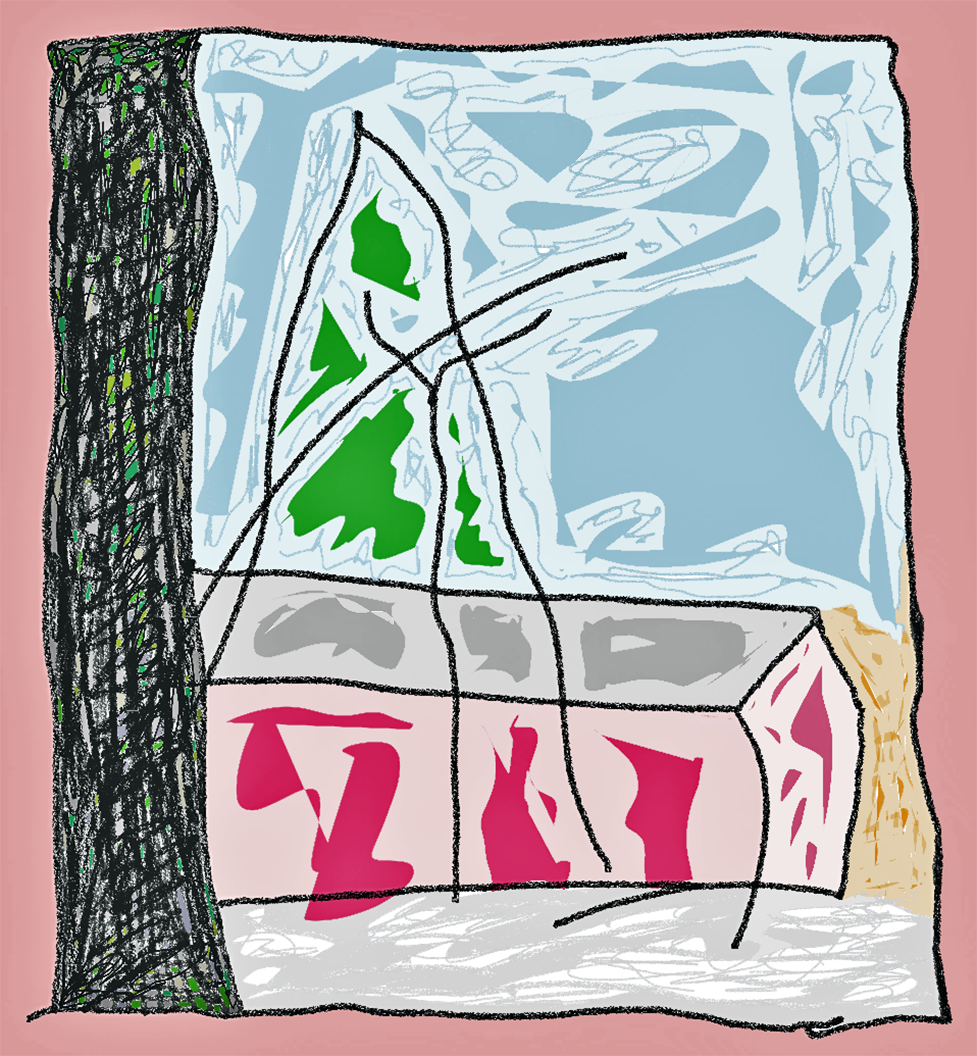
The Pink House
In Memory of Karen JC
[ who died at peace in winter ]
Ninth Day of January
Cross My Path at Your Peril

Third Day of January
Returning to the Dragon's Lair
Dancing Flame No. 3 | 23 March 2022

O Baleful Star
The stars, like beacon lights,
shine through the deep,
&
shine into the grave —
[ where there is ]
language in the dark night —
of a voice that speaks
of the world to come
telling us,
‘This is not our final home.’

The comet,
Terrible Star,
expands with the coming night.
‘Inflammable forebodings,’ they say.
O Baleful Star,
winging Earthward, please
breathe your desolation on the Race
&
by your shock, reduce
our beautiful frame
to her original Chaos.

A Wanderer,
pale of light and watery,
shews a tail like the dragon
&
slays the Duke —
driving, we are told,
[ mad ]
Nordic races to war.

Within the Temple of Chance
stands the possibility of collision
Comet › › › Earth
&
the consequences [ of such an event ]
would ‘Realize the Terrors,
which superstition hath conceived of it.’
Being knocked off course
— our axis awry —
we crash into the Sun,
or else
fly away into infinite darkness.
Second Day of January
The Red-Headed Handler Smiles
&
The 3 Dog Strides toward the Starting Gate
@
Southland Grayhound Park
in
West Memphis, Arkansas
on
20 August 2022
.

4 Paws • 2 Shoes • 1 Limp Flag
‡
We'll Say He Won [ and be done with it ]

First Day of January
Mark Spitz Drives a Tractor
He Was a Smart Dog
Joiner, Arkansas | Summer 1981
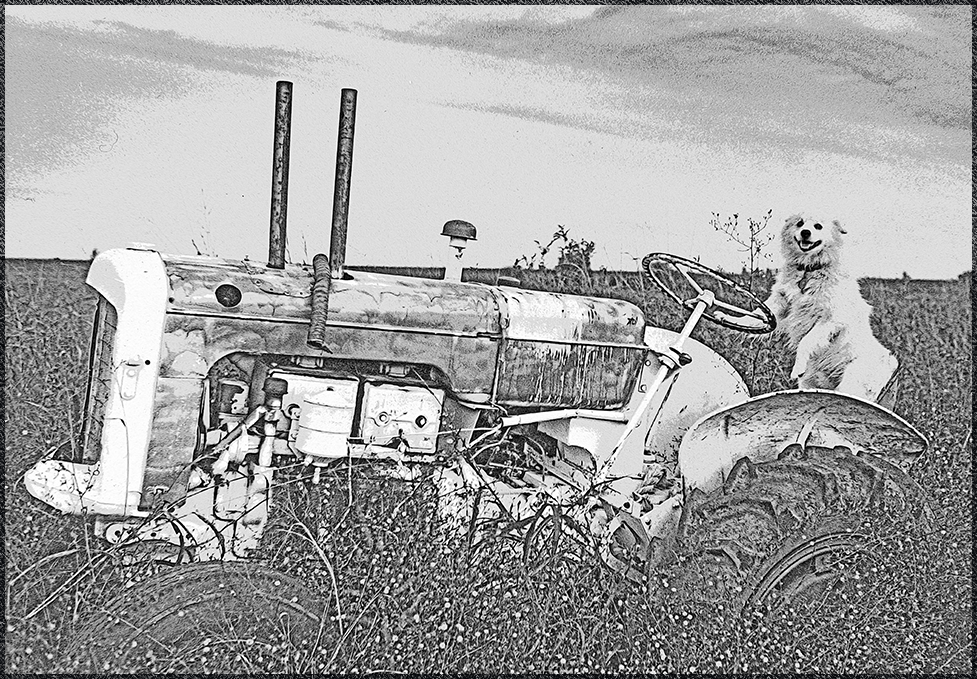
Harvest Time in the Cotton Field
Twenty-Sixth Day of December
The Lady Has Nothing to Say.
Don't Believe Me?
Just Ask.

Let Us Investigate Wonders of Heaven.
Cold. Bleak winds. Icy rain.
In the year's end of days
comes
a lonely traveler, eyes wet,
and
worried farmer, accounts drained,
and
woman with child, needing
the Electric Rush » Whoosh!
Each comes
to the prognosticator
with a singular demand:
Give us hope!
Solace is lost.
Hope. O Hope!
The prognosticator studies
three reflected positions,
Sun, Moon, Earth,
and offers
a philosophical consideration.
“
Don't count on it
&
to draw near the truth,
in very few instances
will it be be known to fail.
”

Fixed Stars,
transits and altitudes,
particulars of Sun's rising and setting,
occultations,
points of emersion
»
Give us the right ascension
and we shall hand you the World.
from
The Journals of Harry Pierce
Volume I | 1949
§
with special salutations to
Sherwood, Gilbert, and Piper | 1831
Twenty-Third Day of December
Eureka! She's the Humor Groomer
Linnea M. Heintz, Ph.D.
A Doctor of Laughter with Golden Red Locks
Eureka Springs, Arkansas | 28 November 2022

22 - 12 - 22
The One and Only Frostie
The Orange Soda Elf

It Tasted Good, Too
“They went from apartment to apartment, collecting televisions and computers, pausing only to sip deeply from bottles of cold Frostie Orange Soda. Satiated, they loaded the televisions and computers on their tanks — and left. They left in a hurry. All that remained behind were empty bottles. Some of the bottles were crushed by the heavy tracks of the tanks. They were drenched in muddy tears.”
“They did not leave. They were destroyed. They were defeated. We'll figure out later who was at fault.”
“They have started the cleanup. Fixing their rooves. They are mightily relieved to have got through this.”

Fourth Day of November
I am. Are you? Yes, but… About What?
[ very very |

Hail Victory!

Denounce Defeat!


The Professional Wrestling Show
A Choke-Hold and Thumbs Down
Rural northern New Jersey U.S.A. | 9 December 2016
[ the mysterious woman in black appears ]
First Day of November
Dia de los Muertos
Pen and Ink by Anthony Smith
Springdale, Arkansas | Autumn 2022

Woe to You
In the sixth century
after the death of Jesus on the Cross,
a mystic named Llywarch Hen,
a Welshman of the Beacons,
died on the first day of November,
one year or another on the spinning globe.
He was one hundred and forty years old.
On All Saints Day, hard is the grain.
Leaves are dropping. The puddle is full.
At setting off in the frosty morn
Woe to you who trusts the stranger.

Twenty-Fifth Day of October
E V E N S T E V E N
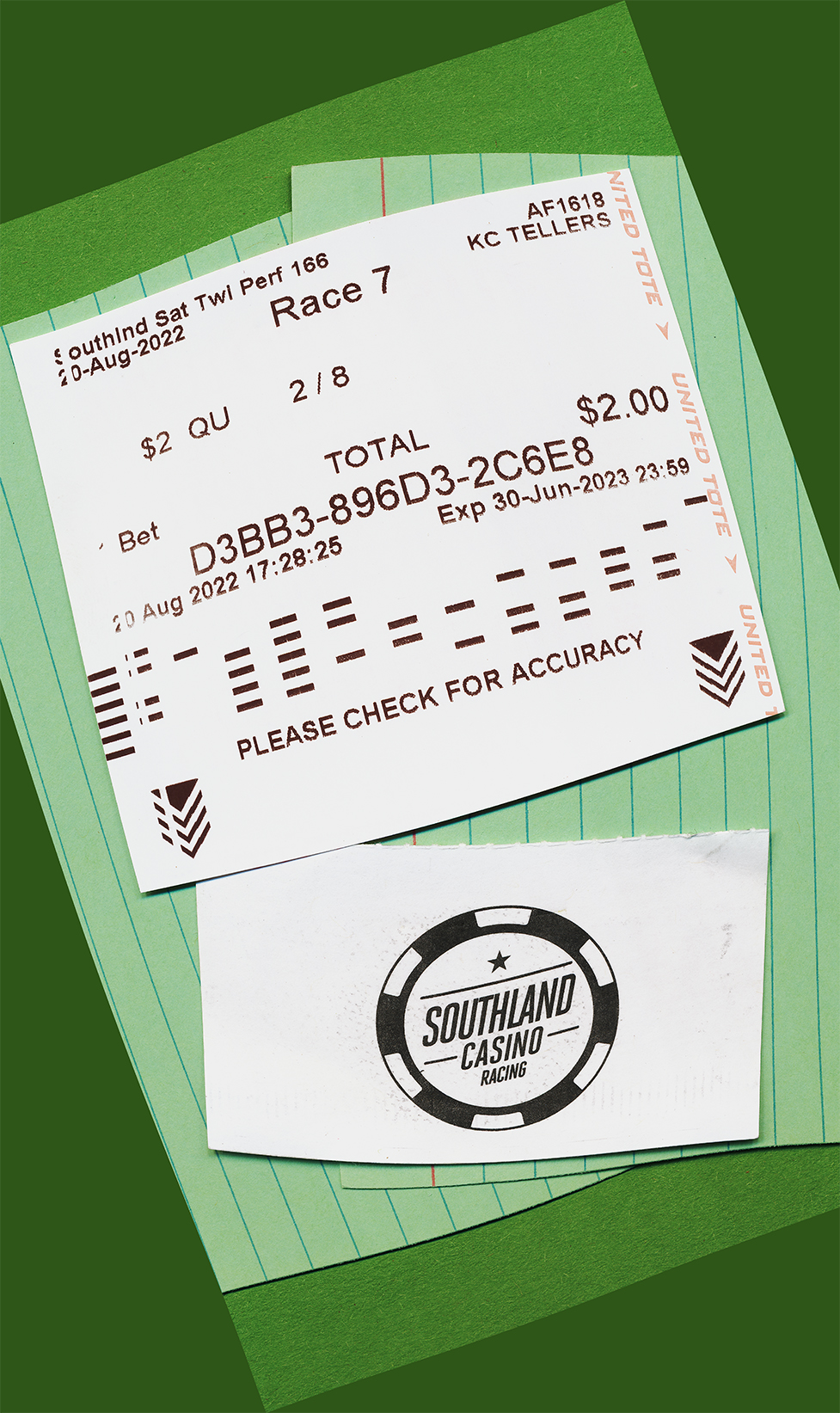
Stretch Run ››› 6 8 4 2
Southland Grayhound Park in West Memphis, Arkansas
Saturday, August 20, 2022
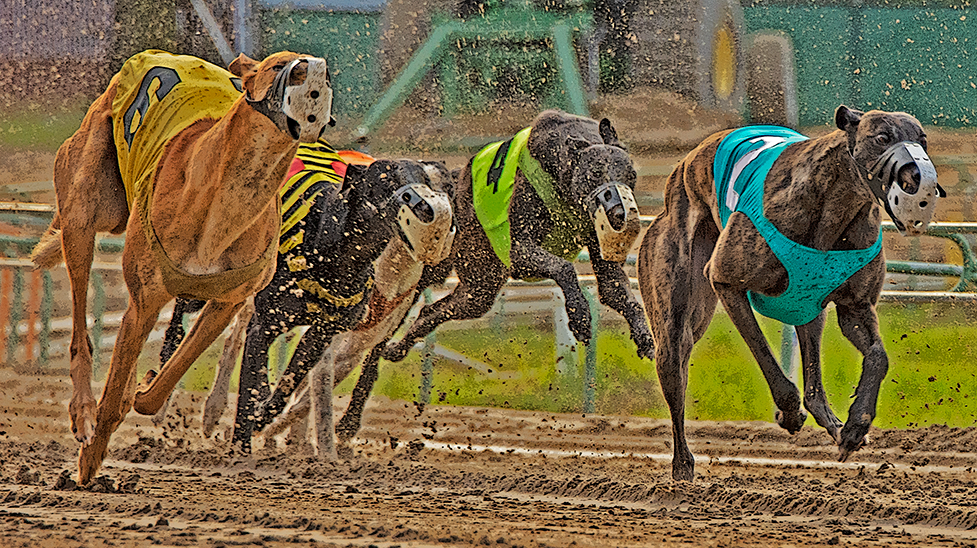
Desolation Row Bark Bark
PS:
Some among we citizens brand it cruel and inhumane. More power to ’em. We're all for dogs — O to have watched them run!
Most others, the betters, turned away from the dogs, falling in succession to the allure of bright ’n flashing lights, to seductive primary colors, to the comfort of high seats in front of spinning wheels and melodies, to tables of smooth felt and fine leather where — ’neath the fiery golden glow — one could look another in the eye with a twinkle —
and move on
to an alternative set of games, cubes rectangles circles red green yellow black, bound to numbers and avarice, flipped and tossed clink and clink and then, at the utmost, to an illusion — who can't handle an illusion once in a while? — riding high for a necessary while on endorphins of dreamy imagination something like that on another and other side of the entrance to Desolation Row and bark bark.
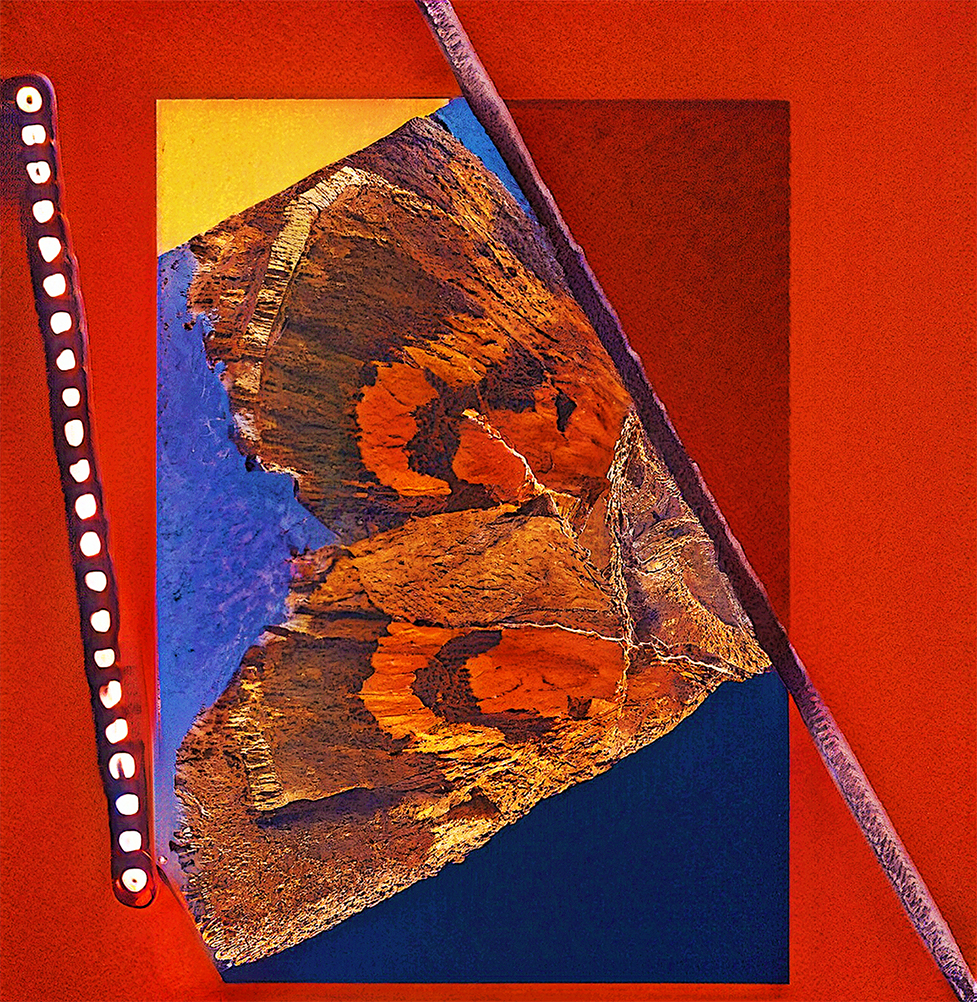
22 October 22
Moth & 22 Spots
3 Dog Acres in the Ozark Highlands
State of Arkansas USA | 15 June 2022
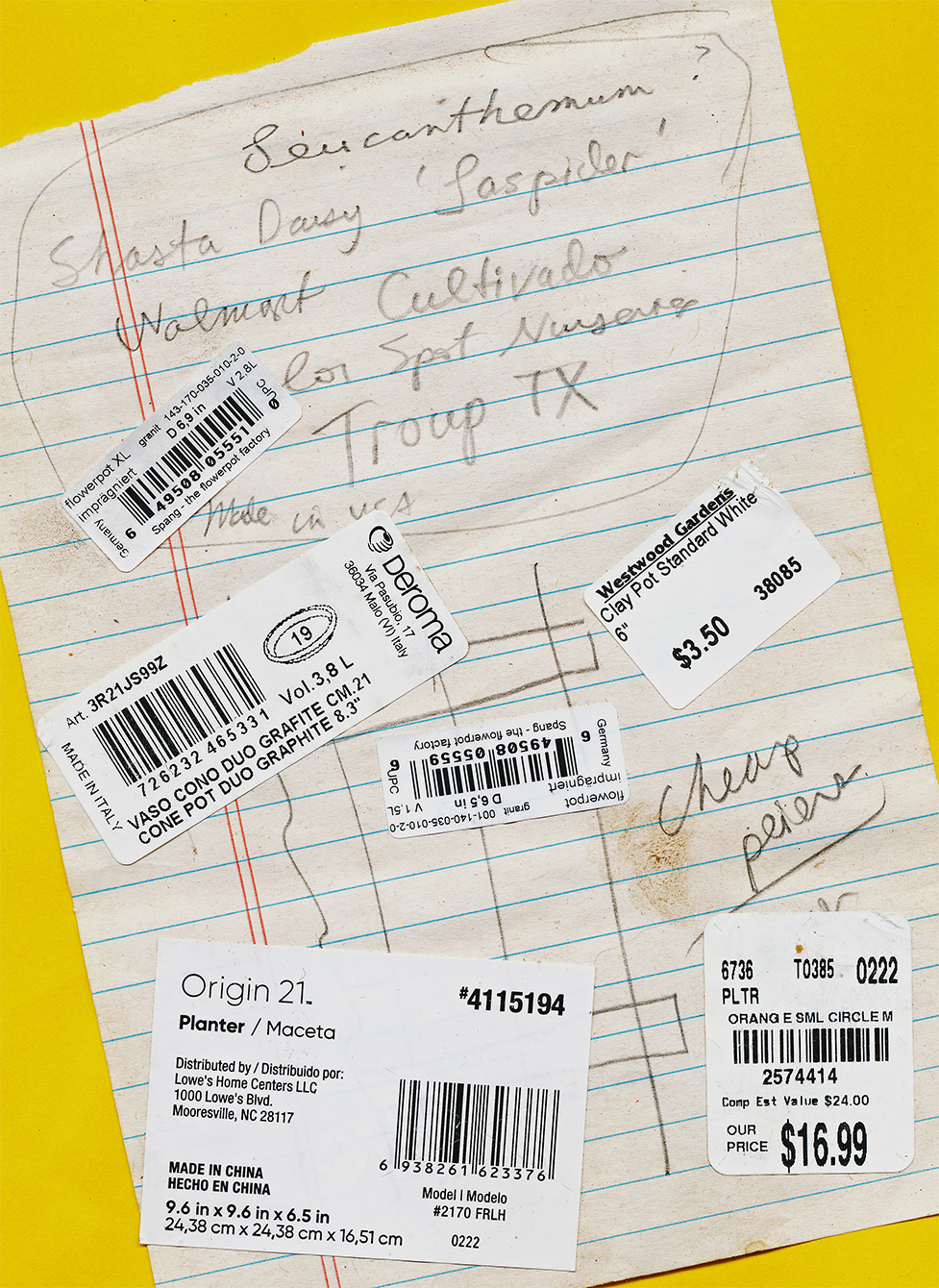
A Lady
“She was a tough old bird, fighting her illness to a bitter end.
“She came from meager beginnings, but found herself.
“She owned a modest farm with a beautiful three-story Victorian style house, complete with creaky floor boards, a grand piano, white stone columns, and surrounded by beautiful trees; a huge Willow in the corner, a Magnolia in the back, and the Apple tree in the front, which she often turned into pies and the like.
“She was a lady of class and elegance.”
China • Italy • Germany • USA
Thirtieth Day of September
Hurrah! for the Vegetarians
Santa Cruz, Bolivia | 22 September 2022

For the Planet,
For the Animals
For You.
Twenty-Seventh Day of September
Be Warned
[ Just to be safe, kindly decode the cyphers ]
Found in a Plastic Sack of Dog Treats
27 September 2022
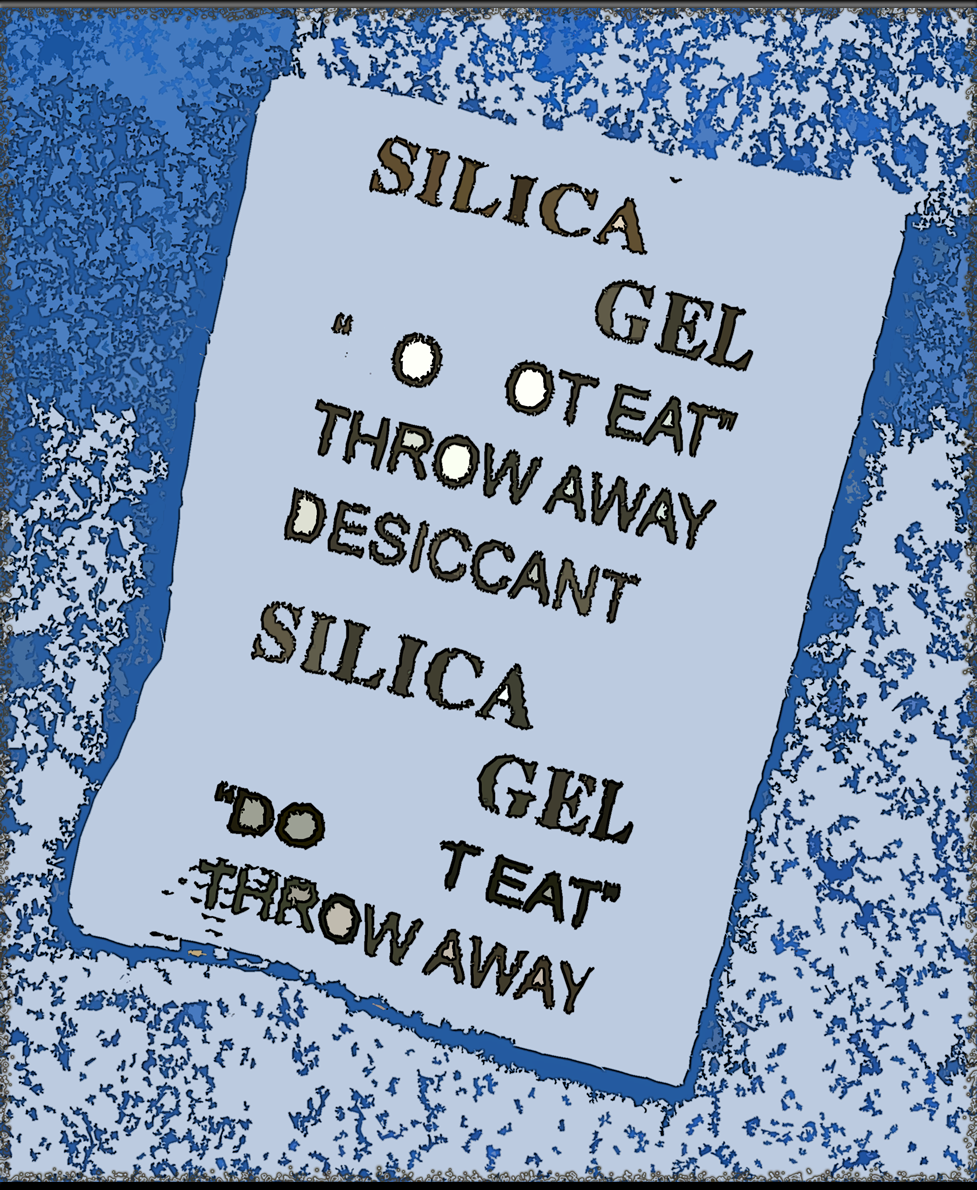
“
a synthetic material
made of highly porous amorphous silicon oxide
to bind water molecules
in random intersection channels of various diameters,
remaining dry and free flowing
[ ahem ahem ]
even after becoming saturated with H2O
”
[ it keeps the biscuits crunchy, too ! ]
SiO2
Twenty-Fourth Day of September
Praise to the Creator
A Young Bloom of the Vinca Flower
3 Dog Acres in the Ozark Highlands of Arkansas
24 September 2022

There's not much to this little patch of land in the foothills.
Just everything.
So,
I like this place.
Many nice trees, tall in the melodic wind. A roomy Studio Corvus, home to Schnake Mansion. The sanctuary of Doghenge and his ancient limestones, adorned with moonflowers. A comfortable cottage with windows that open to the wild. Dogs prancing about. Birds in the branches. Not too far west of the City, where family resides. An abundance of love. Love forever.
So,
Surround my spaces with harmonious, bold colors and archetypal, geometrical shapes. Surrender only when absolutely necessary. Not yet. There is yet-to-be-detected rime 'n reason to this life.

Twenty-Third Day of September
They Called Her ‘Red Hots’
She Wrestled at the Parade of Champions
Fort Worth, Texas | 31 March 2016

A Verdant Line
“Her greatest joy in life was caring for her kids, grandkids, great-grandkids, and great-great grandkids. She was known for her great hospitality, always welcoming people in and offering them a meal regardless of the time of day or whether she had met them before. She also enjoyed birds, flowers, riding motorcycles and horses.”
A Broken Line
“The front door was still open and the back door was unlocked, but she claimed she was cornered so she began spraying him in the face and mouth with ‘a whole can of wasp killer.’ When he continued moving toward her in his wheelchair, she grabbed his gun from the recliner and shot him.”
The End of the Line
“If you can be seen, you can be shot. Wherever you are.”
What I suppose is interesting you may not think is interesting but [ then again ] if not you'll drift away and I'll be sad, I'll be diminished in a state of abject misery but [ then again ] not really because I've already chosen and I shall never know what [ it is that ] you judge or why you went away to another place and frankly I don't much care having written this lament some time ago in a past lost to the both of us so fare-the-well my fellow human fare-thee-well you've gone this far I'm happy.
from
The Journals of Harry Pierce
Volume I | 1949
22 September 22
Pits of Snaggy Depression
or
Sweet Berries Ripe for the Pickin’
[ half-empty half-full depends on one's perspective ]
Leaf of the Catalpa Tree at 3 Dog Acres
22 September 2022

Twenty-First Day of September
The Condemned Blackwood House
A Stone's Throw from the Woodruff County Courthouse
Augusta, Arkansas | 19 August 2022

Twentieth Day of September
Fifteen Minutes before Midnight
Near Downtown in Memphis, Tennessee
20 August 2022

By Way of a Start
“History can be cruel.…”
“Despite all this…”
“The modern field…”
“The desire to draw…”
“He used his…”
“And here,…”
“In this book…”

“We are currently…”
“It is now…”
“These records are…”
“I would add…” [ then do ]
“There are many…”
“In an attempt…”
“The transformation…”

“If much gets…”
“Big ideas…”
“What is…”
“Gaining a better grip…”
“To understand…”
“I begin in…”
“In the…”

“In…”
“Both…”
“The story of…”
“A golden age…”
“Individual scientists…”
“For all the…”
“While we are…”
“The book you hold in your hands…”
“We can begin anywhere…”
From the Introduction
Waters of the World
Sarah Day | 2019
A good book — well done.

Stuck on a Banana
Acquired for Cash at Whole FoodsFayetteville, Arkansas | 18 February 2022
Rumor tells us that Daniel Katz funded The Rainforest Alliance at age twenty-four with a fistful of dollars won at a gambling table. The editors here at CornDancer suppose the rumor is false, but we report it nonetheless — rascals that we are.
According to the sticker, our banana was grown and harvested at a Rainforest Alliance Certified Farm in Costa Rica. The Alliance purports to promote sustainable agriculture in the Global South.
What might that be, this entity known as sustainable agriculture?
For one, sustainable ag begins at a Certified Farm, whose managers and farmers keep a close eye on a multifaceted construct known as the “ecological footprint.” Farm owners practice “safe and fair labor practices.” The farm is required to make a “positive contribution to the community.”
The Alliance, we are informed, champions three pillars of sustainability: social consciousness, economic viability, and sound environmental practices — all underpinned by “a commitment to continuous improvement, sustainability training, and clear benefits for farmers.”
We can't recall exactly where we discovered those tidbits of encouraging info about our banana, — it was wintertime and we were drowsy cold like an amphibian — but we do attest to the propriety of the reporting, the accuracy of the quotes — and the tasty delight of our curvy yellow banana. It's good. All good.
Sixteenth Day of September
The Tire Man
Choctaw Nation
Blue, Oklahoma | 19 March 2016
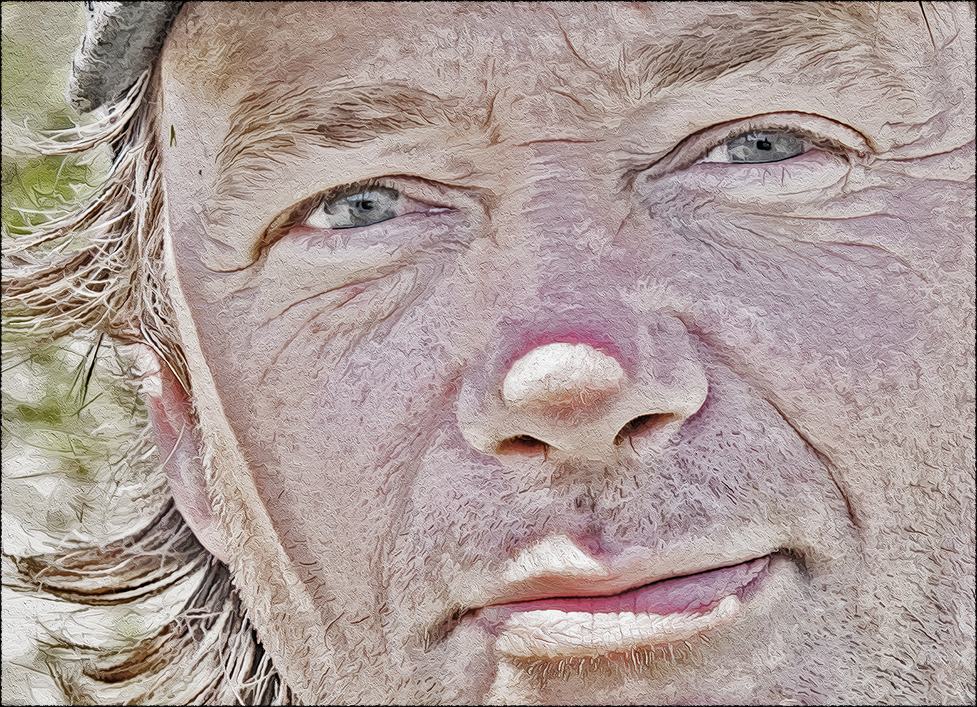
He Was There.
[ Prove it! ]
“
In the presence of the Supreme Court of the State of Wisconsin. Administrative Session. All seven Justices present. The Chief Justice in august black gown presides at the center of the Bench. The Bench is long and elegant, a polished hardwood rectangle in the center of the great room. A table for attorneys and their arguments hear hear! stretches parallel to and in front of the Bench.
They are discussing the issue of lawyers from other states and their ability, or lack thereof, to argue cases before the Court.
Wouldn't this display of open session define [ in part ] the meaning of liberty? Does it not? Wouldn’t it?
‘Trying to make sense of chaos,’ the wizened Chief Justice said.
They laugh, these conscientious citizens chosen to stand in judgement, but the aside designed to provoke laughter fell on deaf ears [as they say] .
‘I knew that was coming,’ Justice Butler said.
With pencils in hand, the Justices speak, shake their heads up and down, left to right and back again. [ No two-headed Justices here. ]

The Chief Justice wears a handsome brooch on her right shoulder, a stylish accent to the subtle, silver-gray highlights adrift in her otherwise coal-black hair. She is a compelling figure, bespeckled and poised, her posture attentively directed toward the speaker — indicative of a readiness to guide proceedings and maintain Order in the Court.
One of the Justices has golden-red hair, shaped by an opaque, pearly clasp. Her hair spills several inches below her shoulders, a sharp contrast to the close-cropped and breezy styles of the other three women at the table.
As for the men on the Bench, we spy nothing remarkable. An eye for beauty and style can be gender-specific without being sexist. Not? [No offense intended. None taken rules the sitting Judge.]
The room is illuminated with natural light, flowing on rays through a sunroof of twenty-four petals » » » golden yellow … pale creme … sharp black. Tucked into arched alcoves, two to each of the four walls, glow seven-fingered incandescent lamps, evocative of formal candelabrums, pale amber and easy on the eye.
The Chief Justice rises, reads from documents.
I sit in a leather and walnut chair, spacious and precisely positioned in one of two small galleries — four rows, five seats, scattered floor-level beside one or the other wall, and to the front of the proceedings — though I can't be sure I was ever there to witness in session the Supreme Court Justices of the State of Wisconsin the walls continue to shift and fade, come back again to a perceived original configuration, where the justices seem close enough and then forever far away so many walls it's hard to get it exactly right.
Ten, perhaps fifteen additional seats are scattered against the three walls in front of the jurists' bench. This fixation on numbers must stop! Order in the Court!
I shall go now, awe-struck by the display of open government, though there was more to see than to hear, given my gun-shot ears and the hearing aides, shouting men with cones & far into the future, some eons before the channelling of electricity & sometimes you just don't want it to end.
”
from
The Journals of Harry Pierce Volume IV
1949 and 2008

Twelfth Day of September
Nine of Wheels
Blossoms of the Lantana
3 Dog Acres in the Rural Ozark Highlands of Arkansas
12 September 2022

Blind. Surrounded.
“Man has in all ages sought for a sign from heaven, and yet he has been habitually blind to the millions of wonders with which he is surrounded.” [ that surround him ]
from
Letters on Natural Magic
Addressed to Sir Walter Scott
Sir David Brewster, K.H. | 1835

Sure
“But in avoiding this difficulty, and thus lessening, at first, the intellectual labor, the faculty of abstraction, which it is one of the primary objects of the study of Geometry to strengthen, remains to a certain extent, unimproved.”
Charles Davies
so postulates
at
The Military Academy, West Point
1834
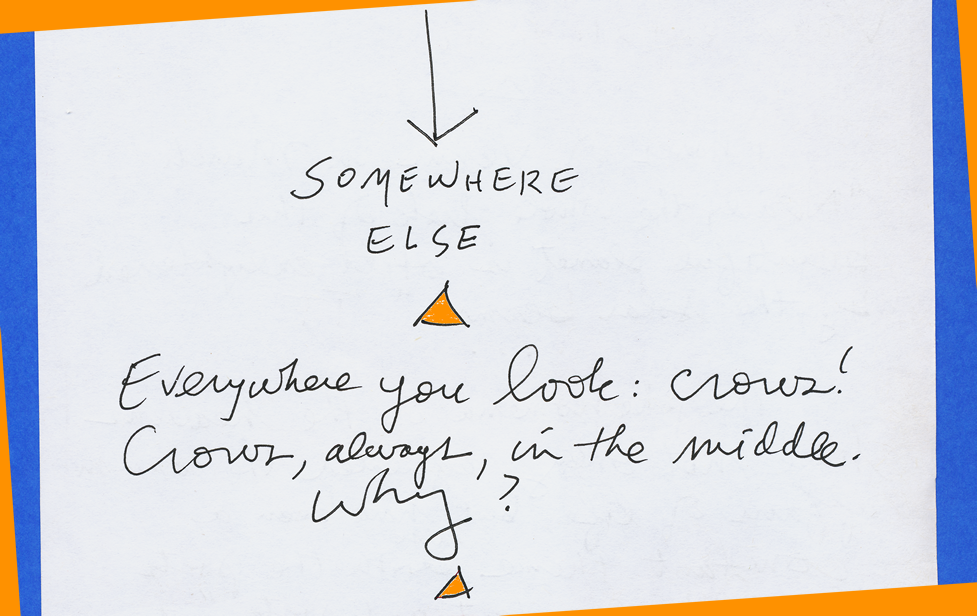
First Day of September
Pixel Malfunction | Ari Goes Awry
The Ari Melber Show on MSNBC
25 August 2022

Sometimes It's Just Too Much
[ to bear ]

22 - 8 - 22
Along a Surface Brightly
[ the angle of incidence = the angle of reflection ]
Above Burke's Bookstore Soars a FedEx Jet
Memphis, Tennessee | 20 August 2022

Like Smoke on a Turbid Couch
Neither gold nor gems combined
can heal the soul,
or suffering mind.
Lo!
Where soul's owner lies,
perched on his couch,
distemper breathes,
and care, like smoke,
round his turbid ceiling flies.
So,
the wayward seaman bays :
Short is our span,
a transient age designed
to slight
the gifts of nature's hand.
Think not of woes to come.
Laugh all present ills away!
Come they will, the ills,
come by heavenly,
eternal
doom.
from
Imitation of Horace
— On the Passage from Bengal to England —
Warren Hastings & Harry Pierce
with Horace (of course)
0008BC & 1808AD & 1949AD

Eighth Day of August
Peace
In the Land of The Evil Eyes
[ where snakes abound ]
Cave Spring, Alabama | 14 January 2022

Pigs with Trunks
“Two rough surfaces — hands — slide past one another, separated by a thin layer of water and soap.”
• • •
“... it will bring pollution to the park; poachers, too — who threaten animals such as jaguars and pigs with trunks.”
• • •
N O N E T H E L E S S
He admired a minion
at the Protein Data Bank,
a mystery,
drawn smartly by architects at DeepMind —
the collected algorithms
not the minion no no.
need the rhythm
need the rime
far away over there
where
the red hot pop tart sings
“I feel the heat ... I feel the heat ... I feel the heat”
one too many times she feels the heat.

…
Meanwhile
…
Just back from a soirée at the bitcoin bash,
a wistful, breezy Sprite from Cambridge Town,
recently hired
to be
Vice President for Corporate Evangelism,
gives away,
freely,
passes to the Unveiling at AlphaFold2 —
limitless seating
to most ’n any ’n all who care to enter
[ homeless and felons excepted ]
— amino acid and popping corn
free at the concession stand
tips, please, in the Mason Jar.

H A N D S of G L A S S
“The rules underlying protein biophysics
are only approximately known,
and are expensive to simulate,”
the scientist said.
She …however … couldn’a be heard,
the scientist from Cambridge Town that is —
unheard [ though seen ]
above the chanting Hucksters at AlphaFold2,
who warn:
DO NOT TRY! DO NOT TRY!
“to capture long-range interactions through computational brute force, which would be hopeless.”
B U T
Rather,
we urge:
Rely on the elegance of geometry
to draw you in.
There may you witness,
at every command line,
ALL STOP!
[ with an appropriate Hallelujah! ]
The Revolution of the Machines —
slim models adorned in the latest codes,
sweeping the field with elegant algorithms
to bind ALL together through infinity.
or tomorrow — whichever comes first on off on off.

F I N A L L Y
[ at the blues club ]
Next door
are headquarters purporting to house
the rival Human Genome Project,
playing a different tune altogether.
Sixth Day of August
The Fiery Temporal Towers of a Coneflower
13 June 2022
3 Dog Acres in the Rural Ozark Highlands of Arkansas

… Transitions …
Y E S B U T
÷
“What about the dangling rat example?”
÷
“What about self-preservation?”

÷
B U T
“There are grounds for optimism here.”
÷
“I want to tell you a story.”
÷
“But the story has a coda.”
÷
coda?
÷
“The questions are endless.”
÷
B U T
“This brings us back
to the question....”
÷
“But is he the same person?”
÷
S O
“You are about to sign the papers.
÷
“What grounds are there for such an alarming claim?”
÷
“But this is no easy task.”
÷
“But why stop there?”

÷
Y E S !
“Let's take a different tack.”
÷
“Of course this would be a catastrophe.”
÷
“Let's take a different angle.”
÷
“Of course this would be a catastrophe.”
N O

Fourth Day of August
42
A Sign of Innocence

§
Got the Money. Got No Connections.
“In this country you can kill a person and you will not go to jail, if you have enough money and you're connected.”
§
money launderers • terrorists • mobsters • ransomware extortionists
§
“Over a grinding techno soundtrack, a montage of bankers, executives, nurses, and assorted citizens are seen leading contented lives in a kind of high-tech nirvana — where they sip ambrosia and flip golden bitcoins, heads or tails, one or the other, win or lose.”
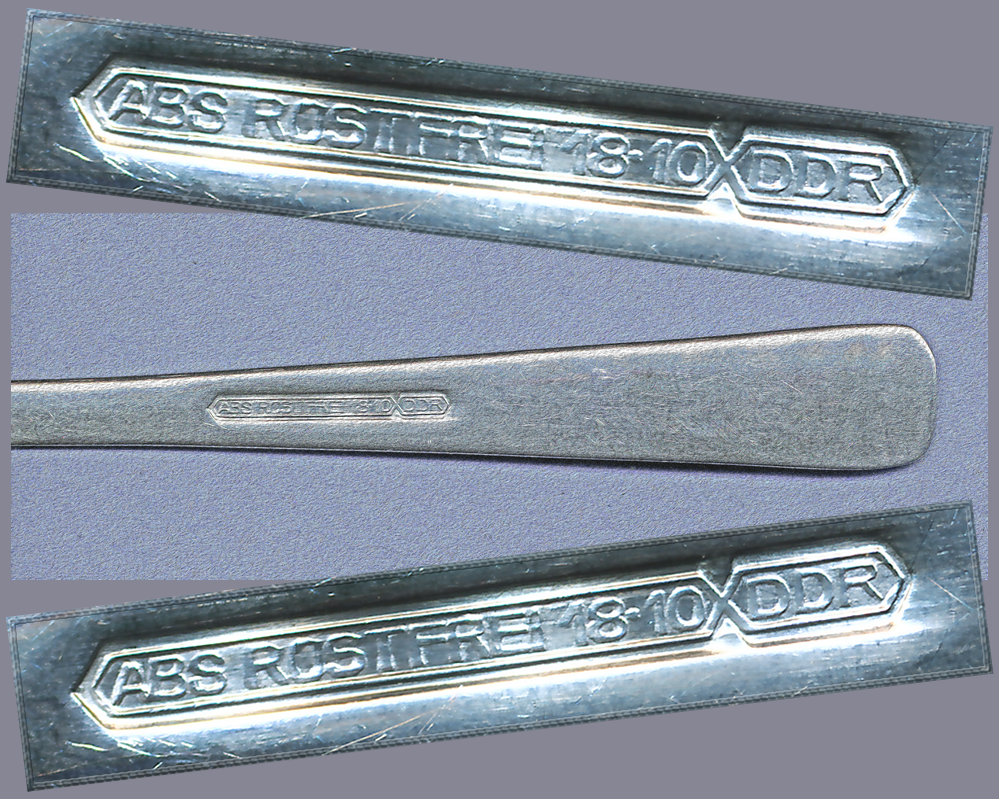
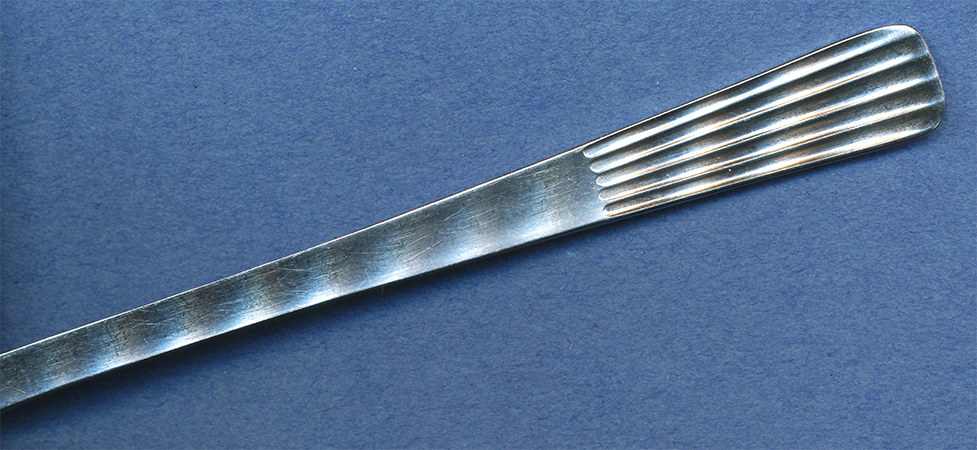
Auer Besteck-und Silberwarenwerke
A Rust-Free Fork from Schneeberg [East] Germany
Exported to a ‘Free’ Ungarn in 1990
[ in steady use ever since ]
“It would seem that we have something unusually integral before us — the System, the Style, and the Leader. It would seem that with such ideal coordination the only possible result would be success. And the successes have been quite numerous: the best tanks in World War II, the world's first spacecraft, jetliners, and hydropower stations in Siberia.”
. . . .
“To increase efficiency and protect the health of the leading officials, the System seeks to spare them any personal anxieties. The System provides for them in every way possible. They receive flats, country houses, stainless steel forks and spoons, and can avail themselves of the services of exclusive snack bars, where Ukrainian borscht and Stoli from Kaliningrad is served. And it is not as if the System wants to make grand gentlemen out of them. The System simply has no other choice. The more a leading official is free from concerns about himself and his family, the more he belongs to the System."

from
The New Appointment
A Novel in Translation
Alexander Bek | 1965
Second Day of August
She Waited Tables at the Ritz Cafe
Tips Were Good at the All-Day Diner on Asher Avenue
2 Boys to Feed and a Man to Find

1954 | 2022
First Day of August
Three Young Men from Israel
Times Square in New York City | 8 December 2016

‘I Knew Him. He was a Tannenbaum.’
Standing on the left is Gamliel, the Reward of God, a budding scholar of The Zohar and other great works. Zev the Wolf, a Gatekeeper, stands on the right, flashing a confident smile ’neath the hot neon and LED lights of the famous metropolitan square. The happy man in the middle is Ariel, a Lion of God, well into his mead — a mentsh of promise, whose martyred father was a man of great valor. These are archetypes, as true as zero and one, off and on into infinity.
[ that's how they spelled it in Kraków ]
Twenty-Ninth Day of July
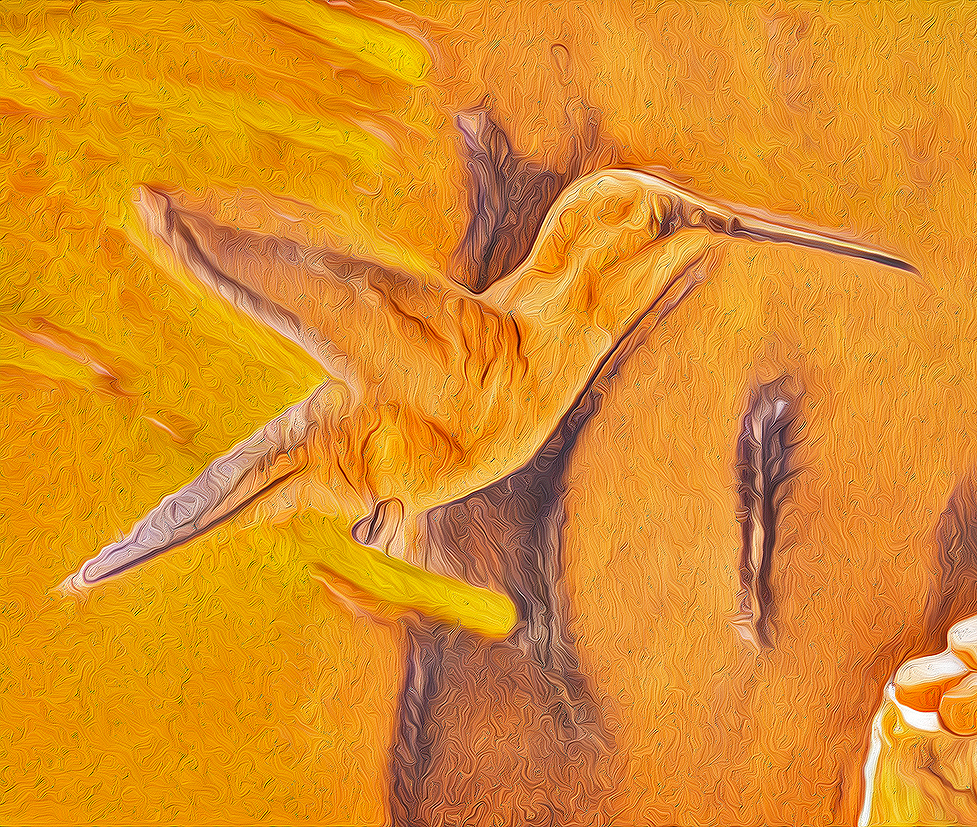
Arriving on a Fireball
Hummingbird in Summer | 24 June 2022
3 Dog Acres in the Ozark Highlands of Arkansas
±
“It will only get worse.”
“Ms. Pierre was home about 5 a.m. when she said she was awakened by someone shouting, ‘Leave this place! You are all going to die! They are coming.’”
±
“He was!”
“We don't know.”
“I'm trying to get to reality. I don't know what it is.”
±
Do you, Mister Jones?
A North Country Troubadour | 1968
±
Leaf in Decline Come Late Summer
Grown by Ruth the Red Oak at 3 Dog Acres
29 July 2022

Tolik • Sasha • Vova • Nastya • Yarik • Kostya
“We could go.
But how would we earn money?
And I have six kids to feed.”
Twenty-Fifth Day of July
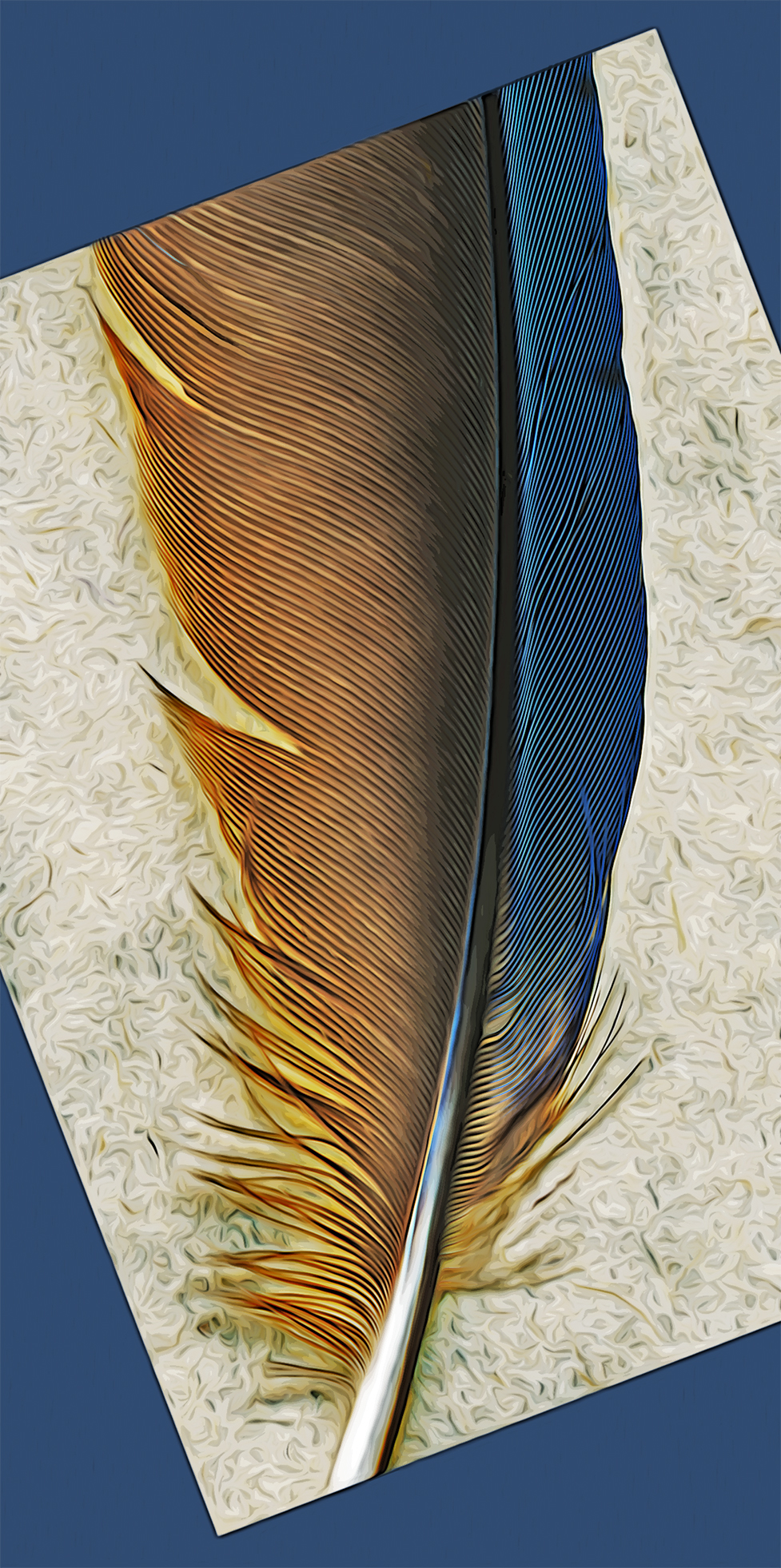
Found on the Parched Earth of Summer
Feather of the Indigo Bunting
Rural Ozark Highlands of Arkansas | 25 July 2022
Twenty-Third Day of July
Red-Headed Mama at the Top of Her Kick
[ In a Ring of Fire ]
Bristow, Oklahoma | 5 December 2015

She Was a Professional
[ with the locks of a Deirdre ]
Water of Life and Others
[ a bipolar rhapsody ]
Ragged but likely
to feel better. 0954 chirp chirp chirp on Doghenge buttermilk clouds below soft mellow blue seventy-nine degrees with a predicted high of one hundred one soon to come. Shaky now as the old body rebels ‘run away run away.’ Too much chocolate with breakfast. 79 · 101
Severe drought.
Less than half an inch all month. Just now adjusted the sprinkler to douse Themis Bed her black soil and her bark her begonias impatiens caladiums coleus their green pink yellow too. Should be able to stay out here another hour or so before it be's too hot ‘O, man!’ Water of Life.

Ruby-throated hummingbird
hovers at the sugar-water well, then darts sideways to drink from the black ’n blue sage with its dragon's mouth full of sap. Eastside set of moonflower vines climbs higher on the bamboo stalk, higher than the top of my bald head yes it's me this time first person all the way. Westside pair, planted later and lower, makes first embrace of their bamboo tower. Hope is for an abundance of moonflower blossoms come late summer.
Cardinals land on branches
of the big tree plum and arrowwood viburnum to enjoy a cooling bath in sprinkler rain. Water bill will be outrageous. Critters chew on me legs, bite through the hunerd-percent Marino itch scratch set alarm to remind me of my one o'clock with Miss Jennie wish the bugs didn't bite.
count count count
numbers in succession constantly marchin’ thru my mind. Ideas abound but the internals the intellect is cluttered with intrusions they call it hypomania tick tock tick tock on the ebony and ivory keys.

Meaningful, then senseless.
Haven't even read the daily newspaper yet. Wonder what I'm missing tick tock tick tock. Wild canary at the feeder, indigo bunting on the branch. They say they can do it — ‘piece of cake’ — but they haven't. Intimations of buttermilk in the heavenlies, songbirds at song in the grand old oaks. Climb, moonflowers, climb!
Red yellow blue gray sepia
— birds galore o glory at the feeders. So many blessings here on the ancient limestones and sandstones of Doghenge on the hottest of midsummer morns and the red, white, and blue of Old Glory. “Why do they call it Old Glory?” asked the birdman from Hong Kong a dear friend from the fellowship of Google+ long defunct and remembered. Life is good at 3 Dog Acres.
22 - 7 - 22
Seen on a Comet Can
[ we got the ‘or one of’ ]

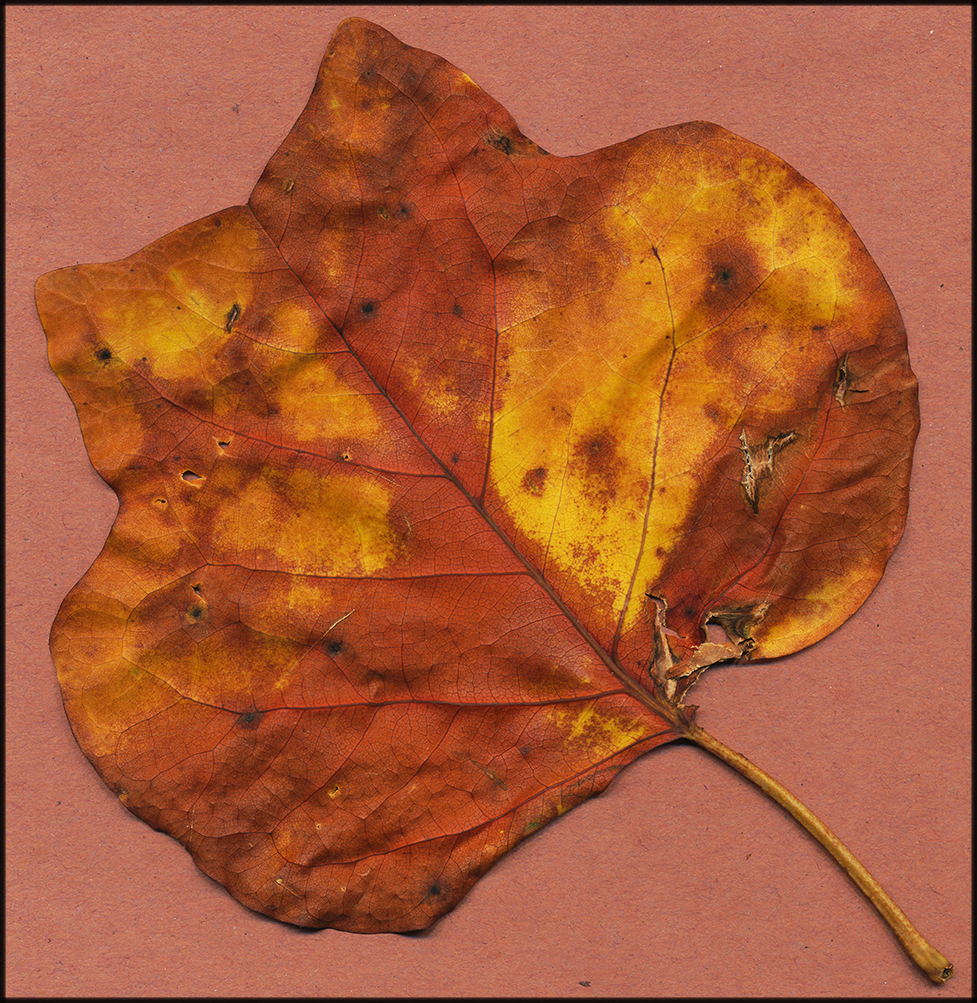
Drought Ravaged Leaf of the Tulip Poplar Tree
The Rural Ozark Highlands of Arkansas
22 July 2022
Eleventh Day of July
Ruins
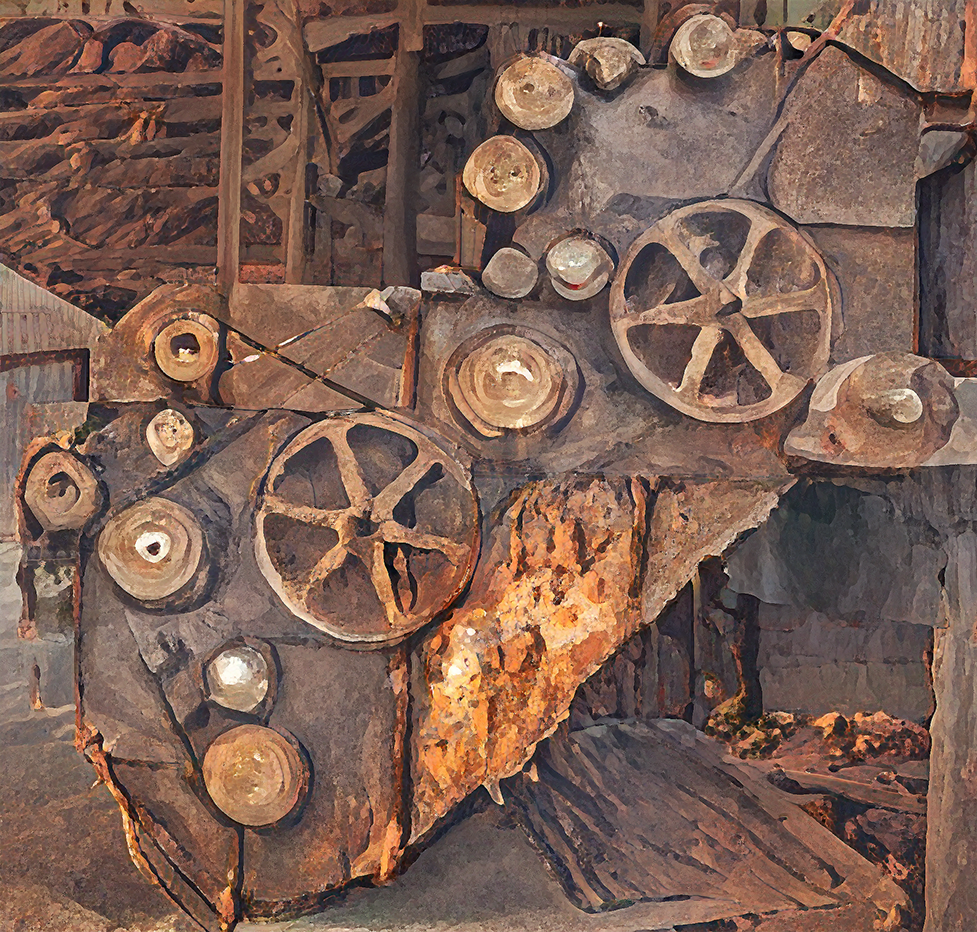
Wheel · Gear · Rust · Trees · Sky
Zedler's Mills
Near Luling, Texas on the San Marcos River
13 February 2009 | In Memory of Buck Dog
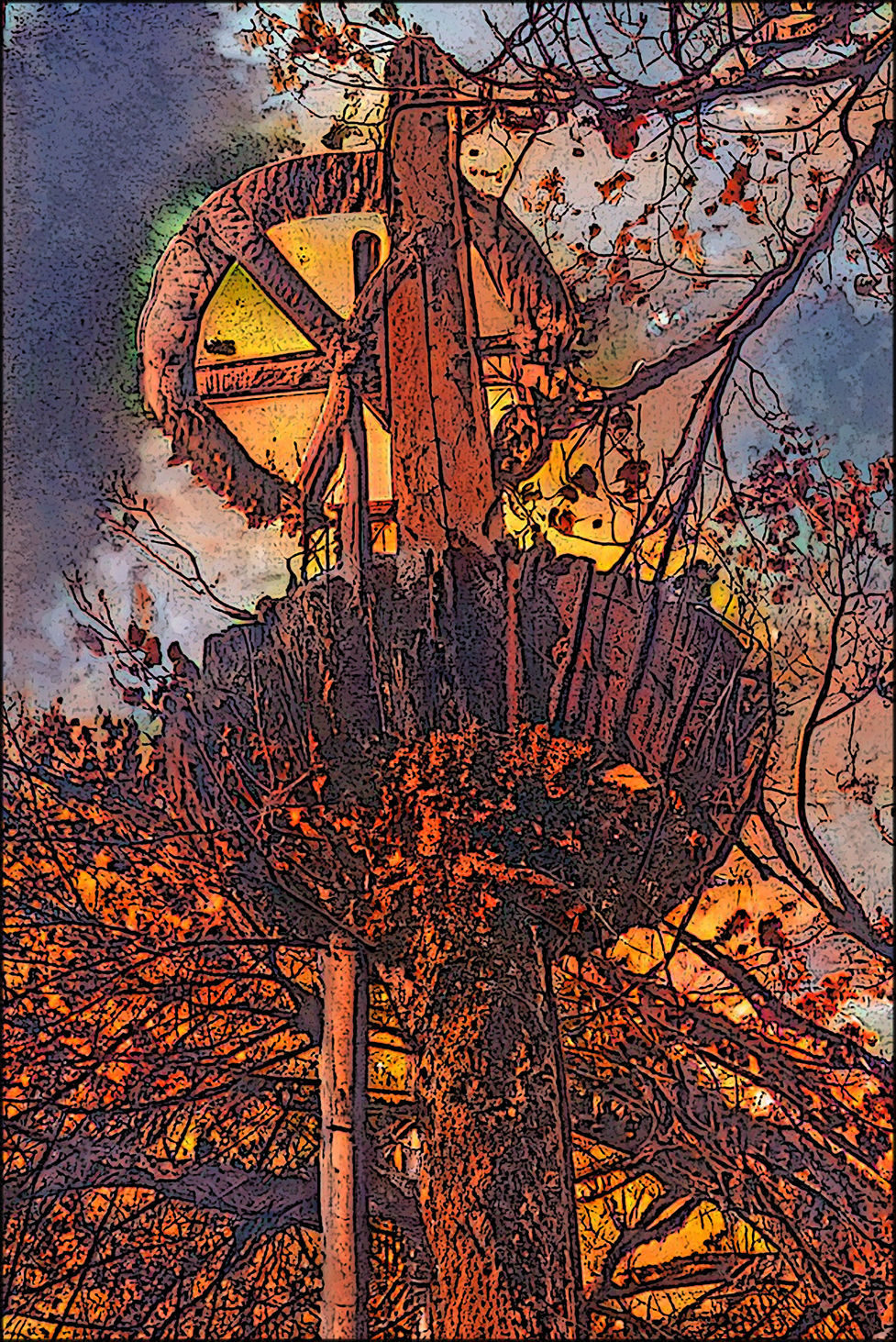
A Gristmill Machine at Zedler's Mills
Originating in the Era of Reconstruction, U.S.A.


R E C O N S T R U C T I O N : Ulysses S. Grant, battle-tested on the fields of honor, held together a fragile reUnion of disUnited States for eight turbulent years following the end of the Civil War.
General Grant's Union Army defeated the traitor Lee and his valiant rebels on the battlefields. So much for fancy uniforms and the regal white horse so dear to patrician Lee, a military dandy who never once left his home state of Virginia to lead Confederate troops into combat. Some two-hundred thousand citizens (or more) were slain.
But what to do after the guns fell silent?
How could business and political leaders, plantation gentry, and veterans of the several war-hardened states forgive and forget sufficiently to rebuild a nation?
How could the Blue Union convince the defeated Confederate States to return in good faith to a new and stonger republic?
The quest to identify and then implement practical solutions to these primal issues of state defined President Grant's administration.
He succeeded.
It is his just legacy.
The effort to make again the United States of America came under the leadership of a Commanding General who became a President. Ulysses Grant during his eight years in office guided the nation through the early years of an era that lasted for another half-decade and came to be known by historians as Reconstruction.
Here at the home of CornDancer, we honor President Grant's contributions to the nation. We rank him among the greatest of U.S.A.’s generals and presidents. He led an army to existential victory over a determined tribe of insurrectionists, then steadied a battered ship of state to the shores of survival. Sweet Jesus.
Some prominent historians today confirm our opinion, though it stands in stark contrast to a long prevailing narrative about Grant's presidency — a merciless narrative crafted by the elites of a jealous, monied Eastern establishment. [ Thank goodness for Chernow. ]
Unable to find their bearings in the aftermath of national tragedy, and put off by the presence of a hard drinking, plain speaking Illinoian in the White House, the Old School jackanapes from Boston and New York branded President Grant as one of The Others — corrupt, inept, and desiccated. These elites controlled the presses and wrote the story. The story was amplified by subsequent generations of historians to become the prevailing view of General Grant's presidency for over a century.
So be it. Things change. Always. History is constantly revised and reinterpreted. Despite its travails, Reconstruction worked to the benefit of the nation. We as a people may need to reconstruct again some day soon.
Seventh Day of July
Bird on a Harvest Implement
Cherokee, Oklahoma | 5 June 2009
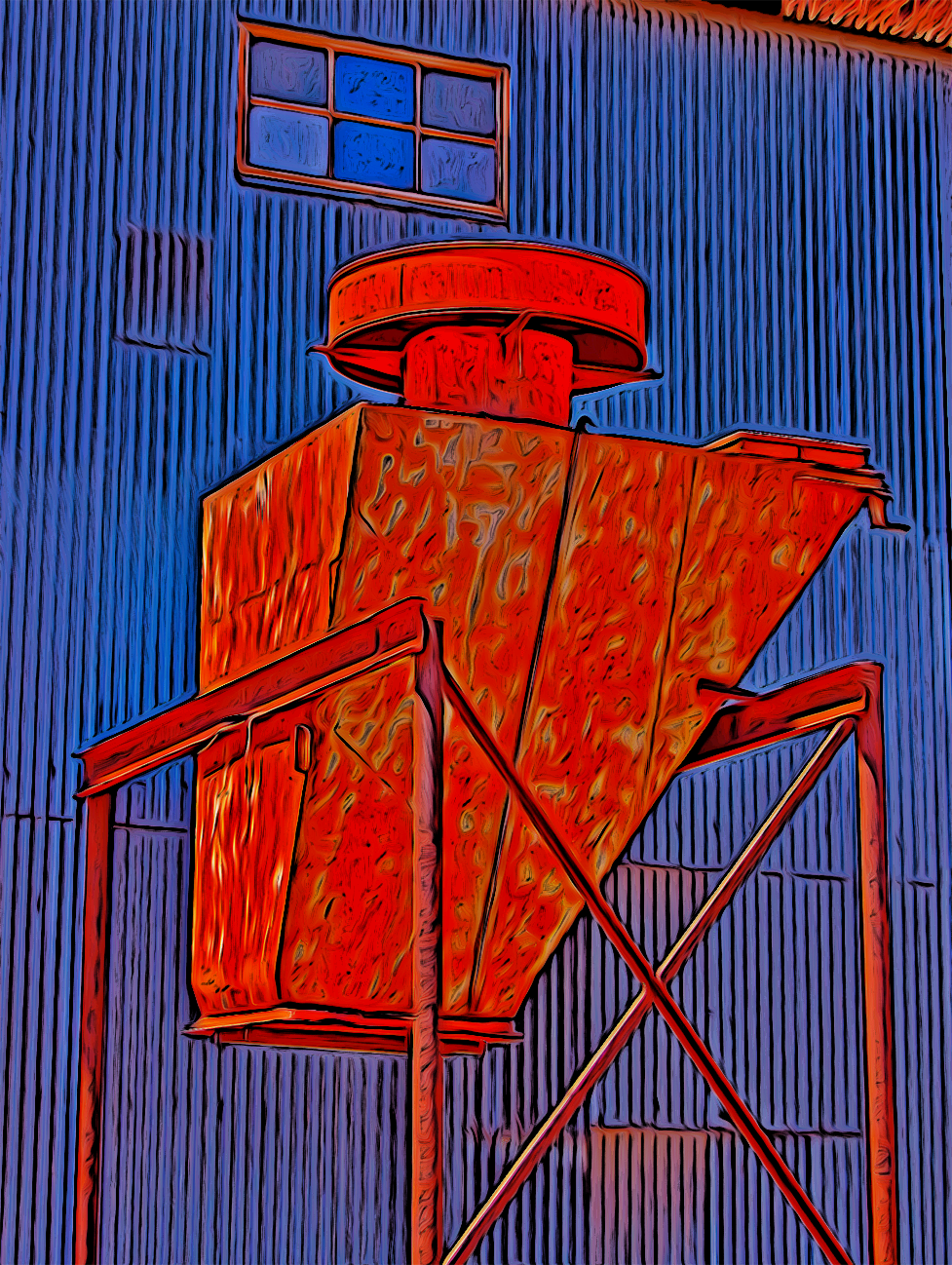

What's Inside?
tomato puree (water, tomato paste), high fructose corn syrup, distilled white vinegar, malt vinegar, salt, contains less than 2% of the following: modified food starch, raisin juice concentrate, mustard flour, soybean oil, turmeric, spices, apple puree, sodium benzoate and potassium sorbate (preservatives), caramel color, garlic powder, onion powder, natural flavors.

‡
C6 H7 O2 K
‡
“federal law dictates that a product cannot contain more than 0.3 percent potassium sorbate by weight”
‡
“a naturally occurring unsaturated fatty acid and is completely safe with regard to health”
‡
“to suppress formation of molds and yeasts”
‡
on THE BANNED LIST
at the Honest Weight Food Co-op
[ blame them … the sauce works for us ]
Sixth Day of July
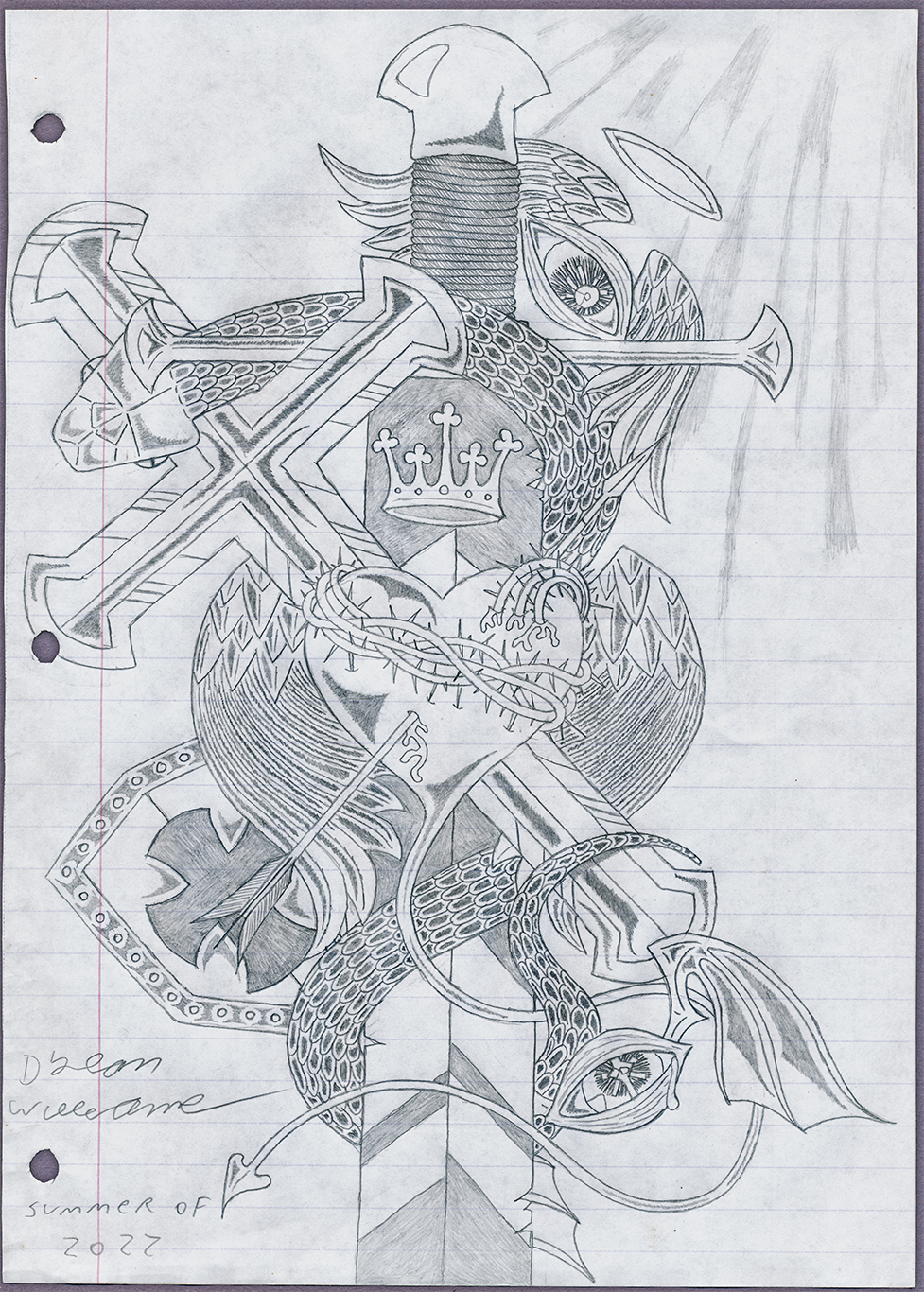
Freedom Study No. 1
Pencil on Notebook Paper by Dylan Williams
Springdale, Arkansas | June 2022
Mottos Inscribed on Hats
Created by ‘The Old Hermit’ William Lole
As reported in 1863 by an Anonymous Scribe
In the Village of Newton Burgoland, England
‡
The Odd Fellows Hat
Without money, without friends, without credit.
‡
The Bellows Hat
Blow the flames of freedom with God's word of truth.
‡
The Helmet Hat
Will fight for the birthright of conscience,
love, life, property, and national independence.
‡
The Wash-basin of Reform Hat
White-washed face and collyed heart.
‡
The Bee-hive Hat
The toils of industry are sweet ;
a wise people live at peace.
the soot of coal »« an incomplete burning
Twenty-Third Day of June
It's All Good, Man!
On the Inside, He's Mister Straight Vanilla
…
3 Dog Acres under the Hot Summer Sun

…
Yes, But
…
Only When It Comes to Ice Creme
Thirteenth Day of June
Two-Spirit Social Justice Warrior
Monique ‘Muffie’ Mousseau
of the Black Hills of South Dakota
• • •
Bentonville, Arkansas | 12 June 2022

Uniting Resilience dot org
Ninth Day of June
Created on an Impulse
†
A Dendron by Any Other Name
[ Is a Poison Hemlock Flower ]
3 Dog Acres | 6 June 2022

Interchange
On the Super Superhighway
[ the only way that matters ]
†
Fourth Day of June
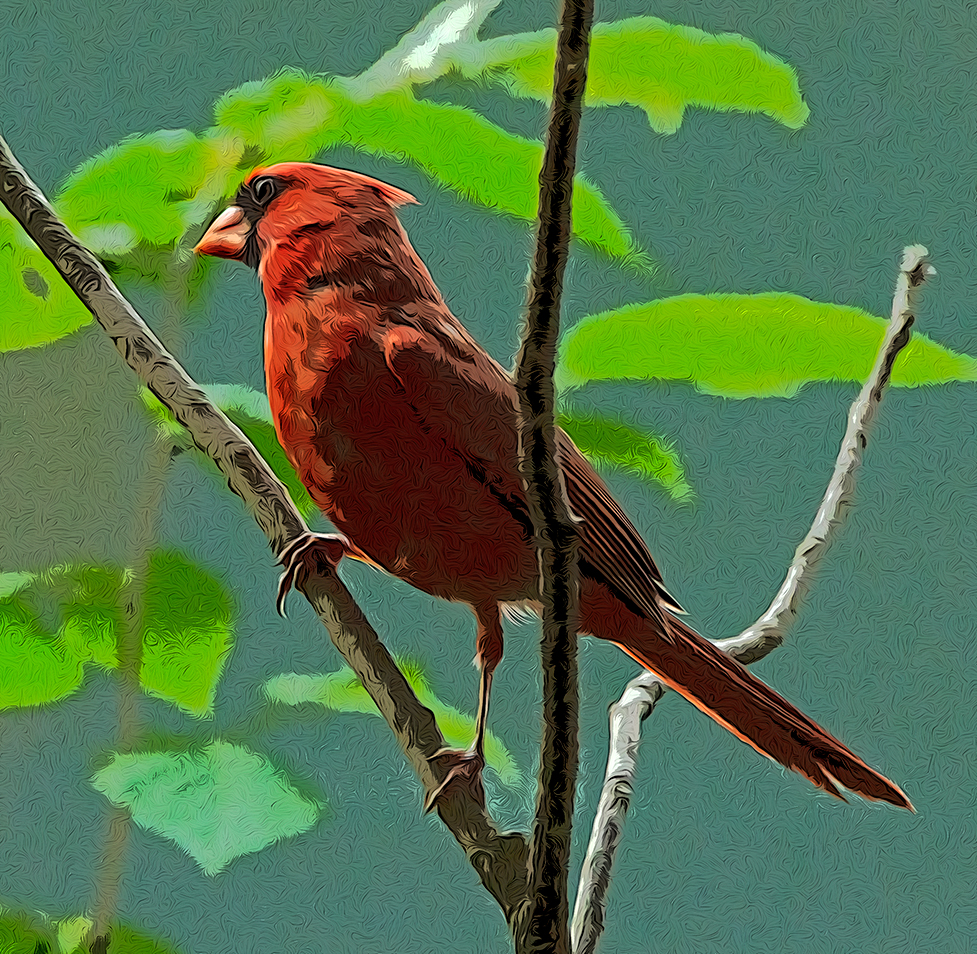
The Emperor Cardinal Bird
Perched on a Tulip Poplar Branch
The rural Ozark Highlands of Arkansas | 20 May 2022
Loyal War Dog
“ ‘Rex! Rex!’ she yelled, calling for the black Labrador they'd been forced to leave behind. Only later did the faithful dog finally reappear, tail wagging under its owners’ loving caresses.”

Pansy Woman
Wrapped in a Shroud
20 May 2022

Twenty-Fourth Day of May
Broken
The Children of Uvalde
‘Forgive Us’
22 - 5 - 22
Jax Dane
Fifty-Sixth World Heavyweight Champion
of the
National Wrestling Alliance
Sherman, Texas | 16 September 2016

You Could Try Grey Goose
[ however it's French however ]
‡
“In the course of a week you could have ordered the vitamins for a whole month!”
‡
“Some customers might see vodka and think Russia and not support it, but that is understandable, I guess. Just not all vodkas are Russian.”
‡
“What kind of defenders are these? Who did they come to defend?”
‡
“You gotta box out. You gotta put bodies on people.”
‡

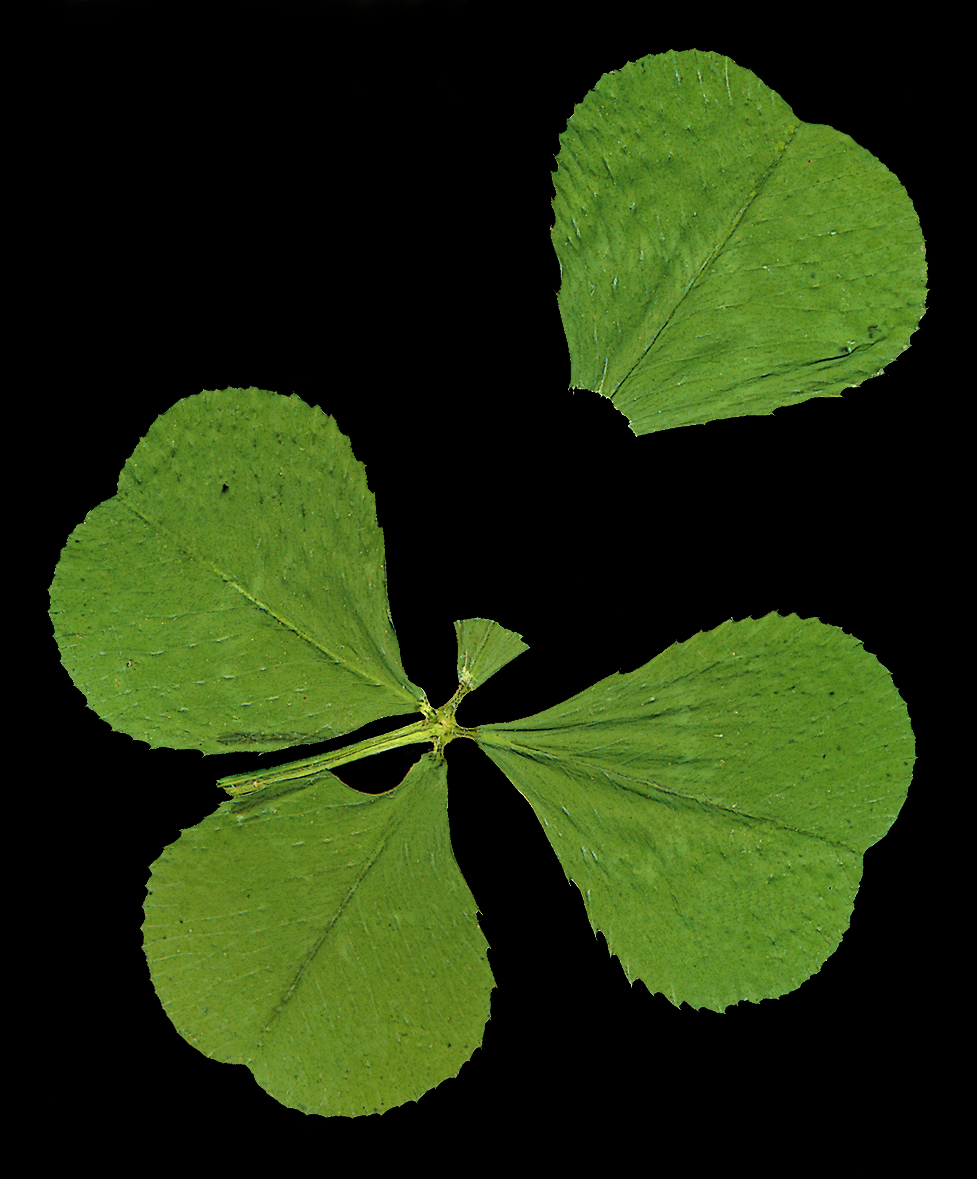
2-Leaf Clover
Very Rare But Not Coveted
Rural Ozark Highlands of Arkansas | 19 May 2022
“The big guy is strong like a kyklopes.
They say as he gets older,
the big guy seems to be [was] missing a leaf from his clover.
We can't be certain, not having seen the big guy
wandering the glen
he patrolled for some many years.
They say
he went back up North to be with his fellow Norsemen.”
P.S. We didn't like him very much. He was mean.
Twentieth Day of May
‘It Was the Eyes that Got Me’
Tiger Woman Painted on a Wall
Port Lavaca, Texas | 16 February 2009

Captured in Stone
“... footprints have been found, apparently produced by birds … in the valley of Connecticut … appearing in regular succession on the continuous track of an animal, in the act of walking or running, with the right foot and left foot always in their relative places. The distance of the intervals between each footstep on the same track is occasionally varied, but to no greater amount than may be explained by the bird having altered its pace.” [We knew that.]
from
Era of the New Red Sandstone
a chapter in
Vestiges
of the
Natural History of Creation
Robert Chambers | NY 1845
And Elsewhere
. . . .
‘Not Tested on Animals’
Savon Lemon Soap | All the Way from Istanbul
[ Imagine that ! ]
Rescued from a Cupboard at 3 Dog Acres | 16 May 2022


‡
“Our works are carried out with 100% satisfaction guarantee in all our works from production to assembly in accordance with required standards and quality. You make only JUST IMAGINE.”
‡
“Akcam was found in Kuledibi, 1972 in order to adopt to the developing glass sector and to use machine power effectively.” [ as it should be ]
from
Akcam Glassware and AKCAM PLASTIC websites
[ lost in translation ]
The Internet | 18 May 2022

Fifteenth Day of May
Sweet ’n Tiny Morsels
Pop ’Em in Your Mouth like Candy
Imported from Mexico via Kingsville, Ontario | May 2022

An Outward Expression of an Inner Truth
We were lookin’ for flaws when he found one. “I can't understand the concept of reflection,” he said, “can't see the presumed difference ’tween myself and the image in the mirror, can't grasp the principle or the reason why the symbols don't look right, why they are transformed into backwardness.”
The Virgin Mary was broken he couldn't look her in the eye but the Bishop in the sacristy, it was a desert sepulchre, browns and yellows everywhere, jumpin’ spiders on the walls, all filled up with believers, wondering why the Bishop chose him the gringo to fix her, do the restoration of the Blesséd Mother.
He said the Bishop looked into his eyes, said “he sees my spirit, said I was worthy to be chosen for the task,” but the Baptists from their tower were flashing gang signs in a language we couldn't comprehend, as if they were against the Virgin, calling her a graven image held dear by the apostates when all she is is the mother of Jesus the Christ child born again for our salvation and our solace after the statues have grown old and crumbled into dust.
We were there. We saw it. It is true.

The Father and the Son and the Holy Ghost
Stained Glass at Saints Peter and Paul Catholic Church
Frelsburg, Texas | 16 February 2009
Twelfth Day of May
A Woman's Right to Choose
Activist at Work | U.S. Supreme Court Building
6 May 2022 | Washington D.C.

Graphic based on photograph by Kenny Holston
Published in The New York Times of 8 May 2022
Tenth Day of May
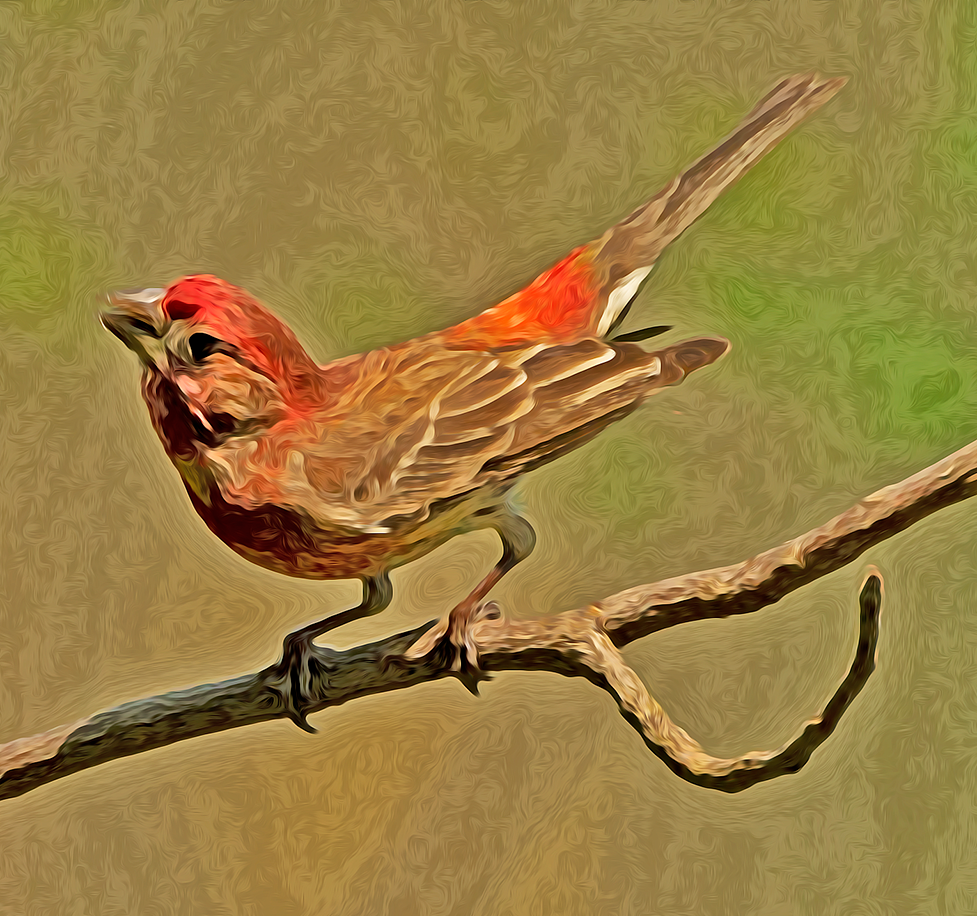
American Goldfinch
At Rest on a Branch at 3 Dog Acres
Ozark Highlands of Arkansas | 9 May 2022

Ninth Day of May
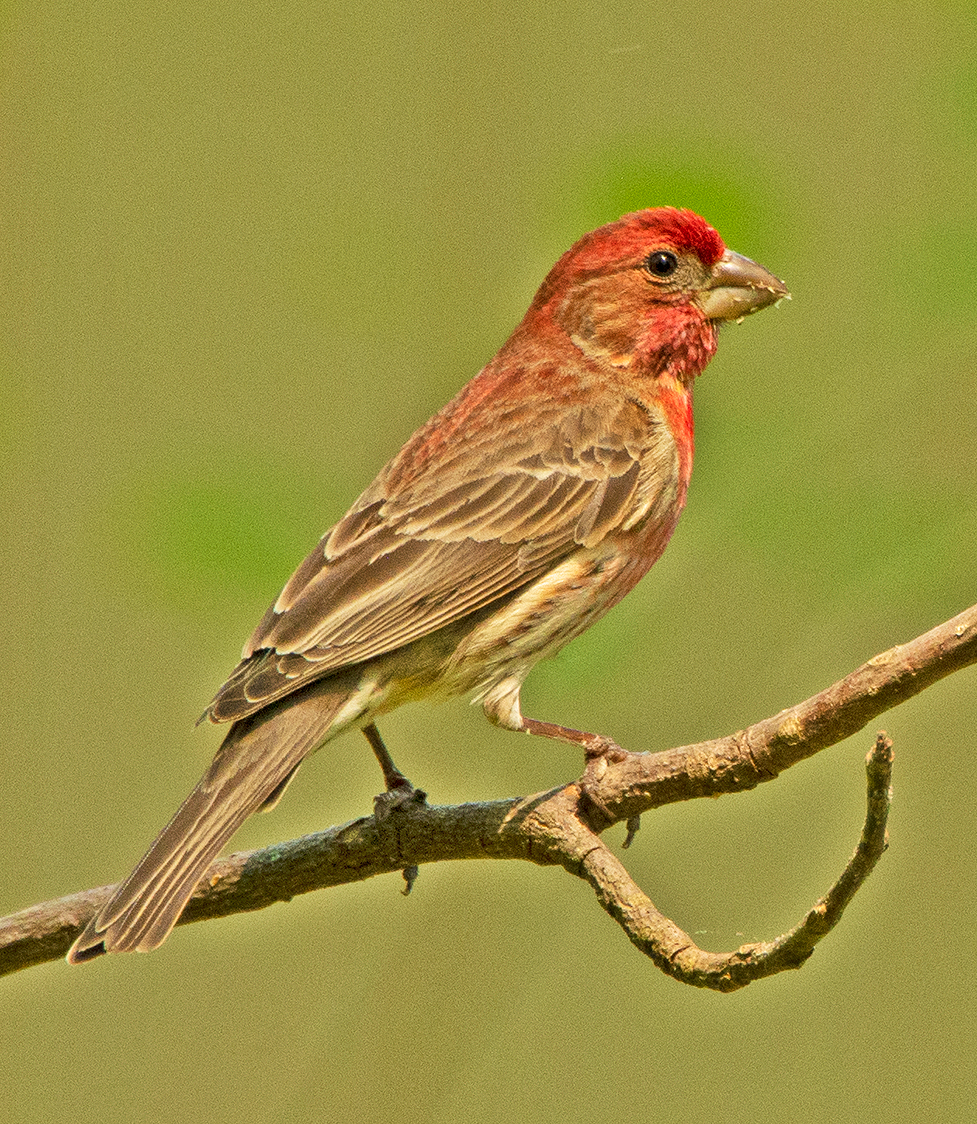
Seeds for Lunch
A Cardinal Just Past Fledging
3 Dog Acres in the Ozark Highlands of Arkansas
9 May 2022
It Sounded Good at the Time
Have you heard celestial voices in the midnight air?
Milton tells us that:
Millions of spiritual creatures
walk the Earth
Unseen, both when we wake
and when we sleep.
Others say
humanity seeks a return to Paradise.
There [in Paradise] we may experience
the mixed communion
of men and spirits in an eternal garden.
Perhaps. Maybe. Who knows? Not much seems real in this particular corporeal moment. Not at this time. Lost I be, battered by microwaves and widebands in an electric fog of another's making. I admit it. There is no escape from the 5G midnight air. No escape. None at all.
“I am trembling all the time.
I keep on thinking, they will come here again.”

Found on a Bunch of Radishes
“Red radishes offer a host of health benefits, but are typically under-appreciated. Their pungent flavor and natural spice eliminate excess mucus in the body and can be especially helpful with fighting a cold or soothing a sore throat.”
7 radishes = 85 grams & 0 calories
“Red radishes can be grilled, roasted, or pickled. Eat raw slices as snacks or add to salads, slaws, and soups. The greens can be sauteed or steamed.”
. . . .
salads slaws soups
salads slaws soups
salads slaws soups
salas slaws soops
oops oops oops
. . . .
“Organic farming is a wave of the future. We're being more careful about what we put in our bodies. We're eradicating toxins and regenerating the earth as a result. I am happy to be a part of it.”
‡
from
The website of Cal-Organic Farms | 9 May 2022
The bunch of ruby red radishes providing the sticker was purchased from Whole Foods in Fayetteville, Arkansas, on 6 April 2022 — and they're long gone on this sunny afternoon in the month of May. They were pretty darn good, those ruby red radishes. Mucus be gone! [and yuck]
Second Day of May
Baby Blues
A Charming Copperhead
30 March 2019 | Fayetteville, Arkansas


Bi-Polar & P. T. S. D.
[ Amongst Others ]
1 May 2022 | The Universe of the Psyche
‡
“If he wasn't fishing some local or remote stretch of water, he could be found smoking or grilling meat. Doyle was also an accomplished woodworker with a keen talent for Intarsia. He was also very fond of his dogs. Doyle was particularly proud of his Cajun heritage and passed that love down to his family. He loved his family and was a proud father and grandfather who will be missed tremendously.”
‡
“Billie enjoyed gardening, flowers, and most of all spending time with family and grand kids especially giving the great-grandson cookies.”
Twenty-Fifth Day of April
Rubble the English Bulldog
Sixth Hound of the PAW Patrol Pack
25 April 2022

Don't Like Dogs? Seriously?
“You can't tell people you don't like dogs. They automatically think it makes you some kind of psychopath. You may as well have said you like to kick babies.”

PAW Patrol, PAW Patrol
We'll be there on the double
PAW Patrol, PAW Patrol
Whenever you're in trouble
No job's too big
No pup's too small!
PAW Patrol
Whoa-oh-oh-oh
Twenty-Fourth Day of April
Shapely Wildflower
Growing Amongst Leafy Friends
In a Lush Meadow not yet Mown
—
The Rural Ozark Highlands of Arkansas
3 Dog Acres | 24 April 2022
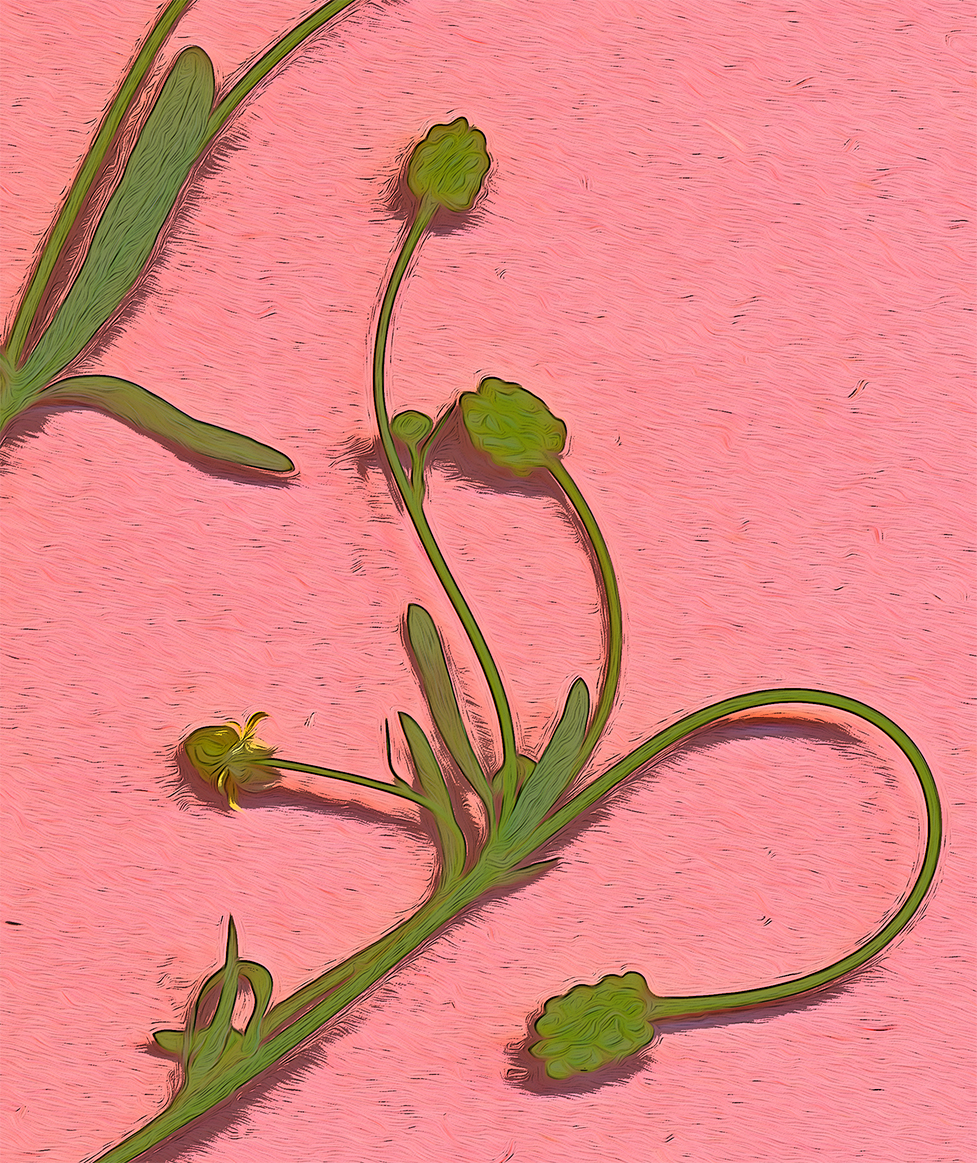
Sweet Peals of Bells Did Ring
†
He run his Sword up to the Hilt
In at the Dragon's Side,
By which he did his Life destroy —
[ bringing ]
Universal Joy !
from
Seven Champions of Christendom
Richard Johnson | 1590
†
Read in old stories,
And there you shall see,
How Saint George, Saint George —
He made the Dragon flee.
from
Saint George and the Dragon
A Britannia Ballad | Seventeenth Century
†
The Life That Is Past
“A retired sailor from Odesa told me that although his generation has deep roots in Russia, and broadly supported the Donbas separatists, his children look to the West. The war has destroyed what remained of his former affiliation, what he described as ‘the life that is past.’ No Ukrainian person [not less a Ukrainian dog] I have spoken to during five weeks at the border has expressed anything other than hatred for Russia.”
from
London Review of Books | 21 April 2022
Jen Stout | 8 April 2022

†
The other Champions are Saint Andrew, Saint Patrick, Saint Denis, Saint James Boanerges, Saint Anthony the Lesser, and Saint David.
The heroic “performances” of Saint George, it is written by Percy in Reliques, “exceed that of the other champions.” If Percy didn't [write it], then someone did — most likely William Hone in The Every-Day Book or Everlasting Calendar of Popular Amusements, published way back in 1826. Mr. Hone's several tomes over the years remain a continual source of our amusement and edification. England, we are informed, celebrated Saint George's Day yesterday, the anniversary of the Christian knight's death in the Year of Our Lord Three Hundred and Three.

Cock-a-Doodle-Doo
22 - 4 - 22
Cricket Theatre
Grand Opening on 12 February 1946
Collinsville, Alabama | 14 January 2022

A Life Sentence
It began the day Captain Hoisington fell. A hot sliver of shrapnel pierced his brain while he ran toward the Command Helicopter. Or didn't begin. It ends, begins again, perhaps never, this moment. Without doubt the Captain died at the strutted feet of the chopper on that May morning in the bush of the Central Highlands. It was the Year of Our Lord Nineteen Hundred and Seventy.
So long ago, and broken wood of an ash tree burns in the fireplace, the music playing all the way from the British Isles, BBC Radio 2 the sentence ends ten-to-five on good behaviour.
“They keep bringing the drinks, and we were dancing, and I didn't quite make it, the wrist broken in five places,” the jagged chunk of shrapnel from a Viet Cong mortar flying into his skull, engaging the life force and bringing it to an end they were aiming at the chopper didn't matter keep bringing the drinks, bringing the drinks all night long.
Or a life sentence.
Just depends on how you look at it.

Twentieth Day of April
Flower of the Red Dogwood
The rural Ozark Highlands of Arkansas
3 Dog Acres | 20 April 2022

One Never Knows Does One?
“ … thrown into the future with force … ”
AN ILLUSION
“ … a dream of man awake … ”
A PROPHETIC VISION
A Faint Remembrance
“ … those who have witnessed the progress of a case of catalepsy … ”
(a case of bourbon)
A HIGHER SPHERE OF BEING
(the price of globes)
“The case might be explained by Dr. Wigan’s theory of a double brain; but it is manifestly beyond that theory to account for the preconception of the knot in the shutter…”
from
The Book of Days
Robert Chambers | 18 February 1863
Harry Pierce 1949
“He opened the shutter and found the knot.”
deja vu?

Nineteenth Day of April
Shy Man
Fayetteville, Arkansas | 29 March 2014
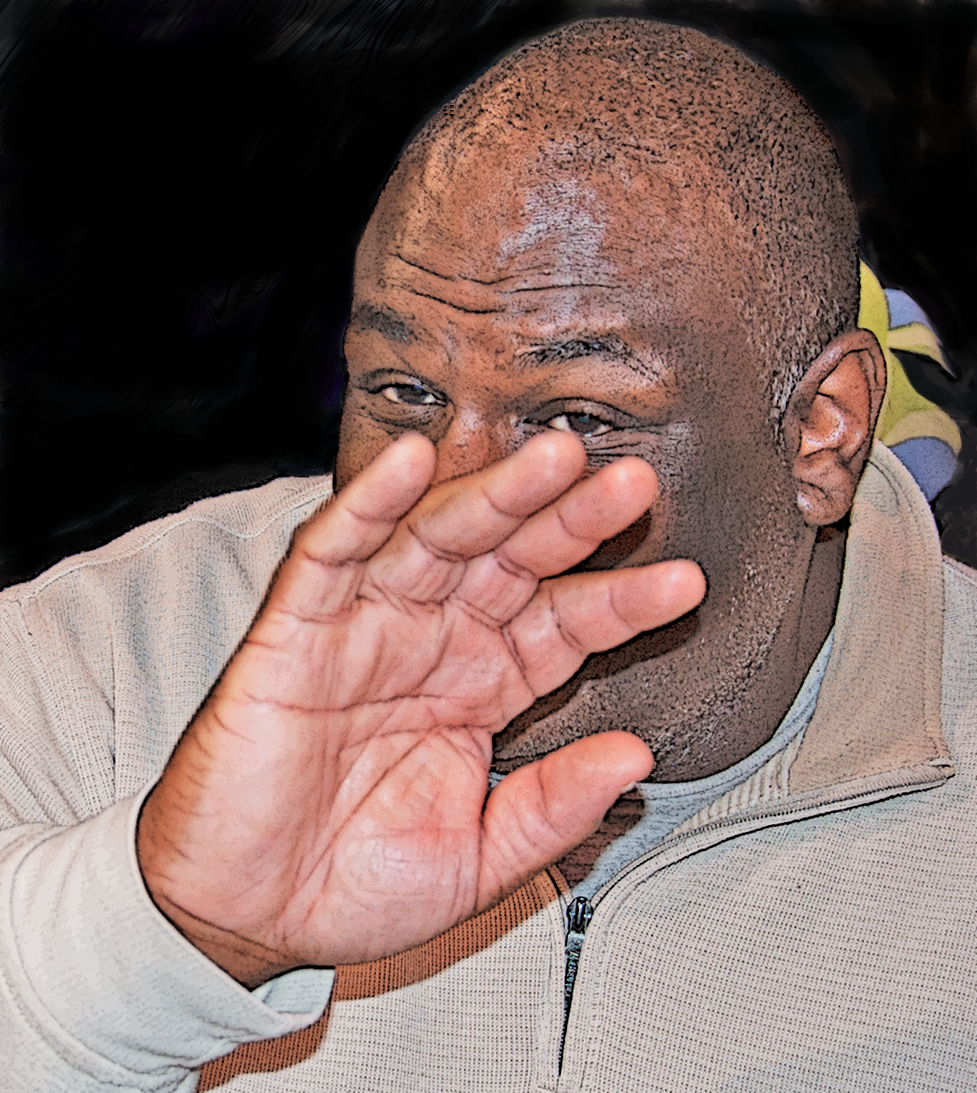
‘ Makes Sense to Me ’
“Well, I've agreed to what they offered. They agreed when I agreed. So I don't know what that means. I agree. They agree. So that means I guess we agreed.”

Eighteenth Day of April
Cardinal with Wings Open
3 Dog Acres
The rural Ozark Highlands of Arkansas
25 February 2022

Eleventh Day of April
B T U
Professional Wrestler
Yonkers, New York | 1 May 2016

Beer and Shotguns
“You know you're in God's country when you can get a 12-pack and a 12-gauge shotgun at your neighborhood grocery.”
— So said Mrs. Sarah Sanders, a Trumpian shill and leading candidate to become governor of Arkansas, on 21 March 2022
Sho 'nuff.
There's nothing on God's green earth like a bunch of drunk Arkansans shooting shotguns on the parking lot of Piggly Wiggly.
†
High Octane
“A personal story of a Navy veteran, carpenter, and God's prophet receiving the gift of the Holy Ghost at a gas station. After being in sin for 31 years, he is now redeemed.”

“I saw myself as in an ecstacy,
transported
into that happy time and occasion,
where my heart,
possessing all the happiness possible,
enjoyed it with inexpressible rapture.”
Jean Jacques Rousseau
[ prone to frequent ecstacy ]
†
“There are no rules. Well, there are rules, but you can break them. It's the perfect balance between absolute anarchy and potent possibilities.”
Seventh Day of April
Tazetta Daffodil
A Narcissus Geranium at 3 Dog Acres
The Ozark Highlands of Arkansas | 7 April 2022

‘Making It All One Emerald’
Watch some old man,
bent with the weight of years,
walking out into the fields
when April greens the ground.
He moves along with entire enjoyment,
pausing every here and there
to look at the opening flowers —
the very same he gazed upon in boyhood,
springing from the same roots,
growing in the very spots
where he gathered them
fifty long years ago.

Many a change he has seen
since those days when,
darting in and out bareheaded,
he ran to play amid April showers,
carefree like familiar flowers
shaking the rain from their heads —
tears
falling
in the gentle breeze.
The old man recalls
companions of his early manhood,
who stood, full-leaved, beside him —
shewing no sign of decay
in the pride
of their summer strength and beauty.

Where are they now?
Some
fell with all their leafy honours.
A few
reached the season
of the sere and yellow leaf —
before they fell
and were drifted far away
from the spot where they flourished.
Another few
stood up amid the silence
of the winter of their age,
though they saw little of one another
in those days of darkness.
And now he recalls
the withered and ghastly faces,
long since laid beneath the snow.
He alone is spared
to look through the green gates of April,
but for what?
He looks but cannot see
the messengers of spring.
His eyes are dim and dazed.
He goes on,
trying to remember —
unconsciously unwinding,
link by untarnished link,
a primal golden chain.
Like his mother's voice,
scarcely allied to earth,
the golden chain
reaches from grave to heaven
into a dim mustering-ground.
Those who have gone before
wait to receive him.
Robert Chambers and Harry Pierce
1863 and 1949
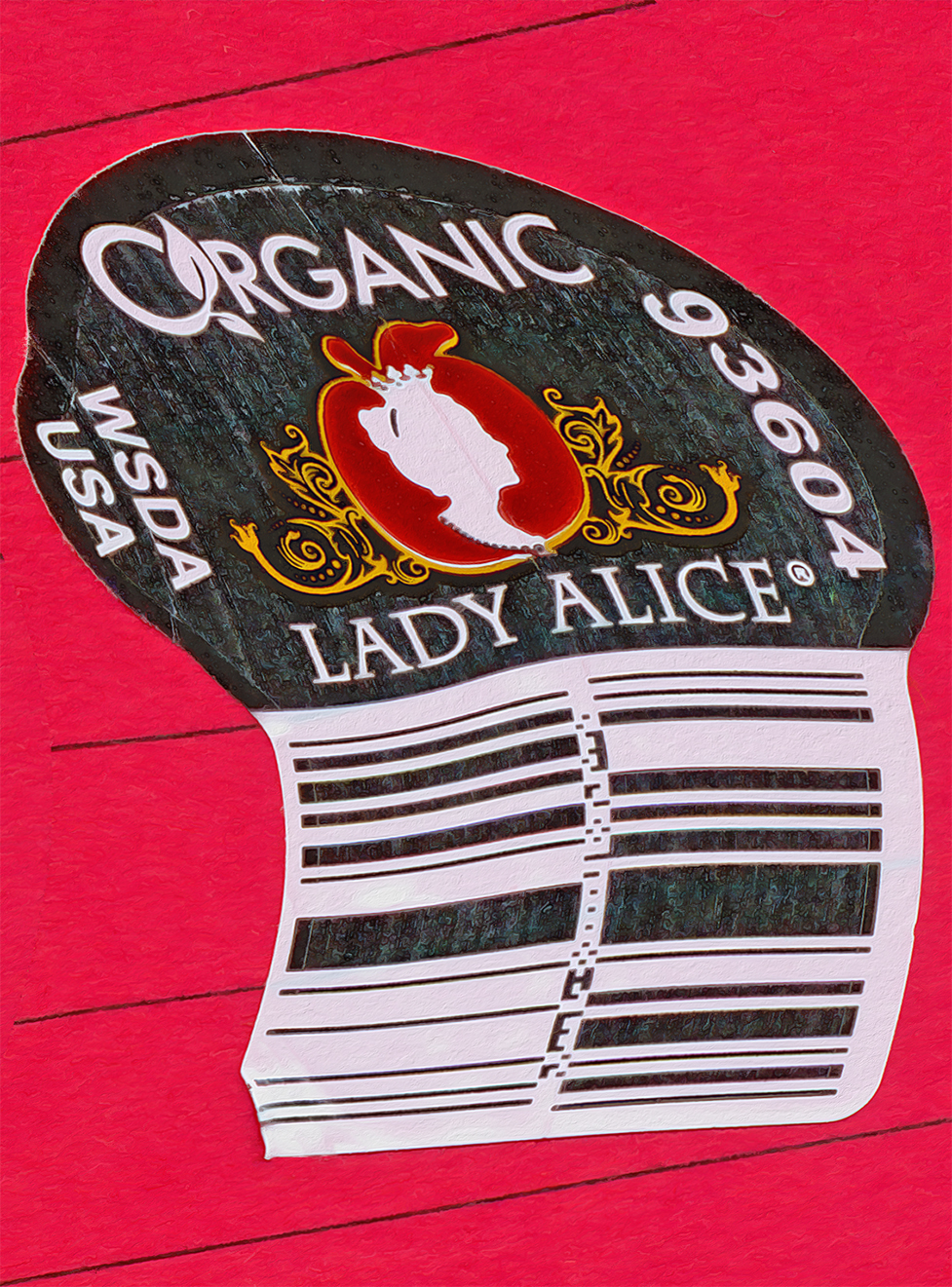
Now her Champion is victorious,
Is the Lady Alice gay ?
Does she laugh — or is she weeping ?
Grief or pleasure — who can say ?
Not a smile is on her features, —
Not a tear within her eyes ;
Is it joy, or is it sorrow ? —
Lady Alice senseless lies !
from
L A D Y A L I C E
A Ballad Romance
By EL—TON | 1842
‡
Balm for the Crosses and Cares
“No — the very few who were consulted advised me not to publish it ;—not that they thought ill of it; but because I risked a pecuniary loss, Poetry being an unsaleable article, and that of all Poetry, Ballads are least in fashion.
. . . .
“I write for those who, like myself, when the crosses and cares of this strange world press too heavily on them, fly from it, and find in the regions of Poetry and Romance a solace for their vexations.”
‡
Round, Squatty, Sweet
“A new variety from Washington State, the Lady Alice Apple has a distinctly round and slightly squatty shape. The fruit's coloring is beautiful — pink to red striping over an orange-yellow background. Their flavor starts sweet, with a pleasant tart after taste. This variety was discovered as a chance seedling so its actual botanical origins are unknown.”
‡
[WSDA] Washington State Department of Agriculture
Third Day of April
O R I G I N
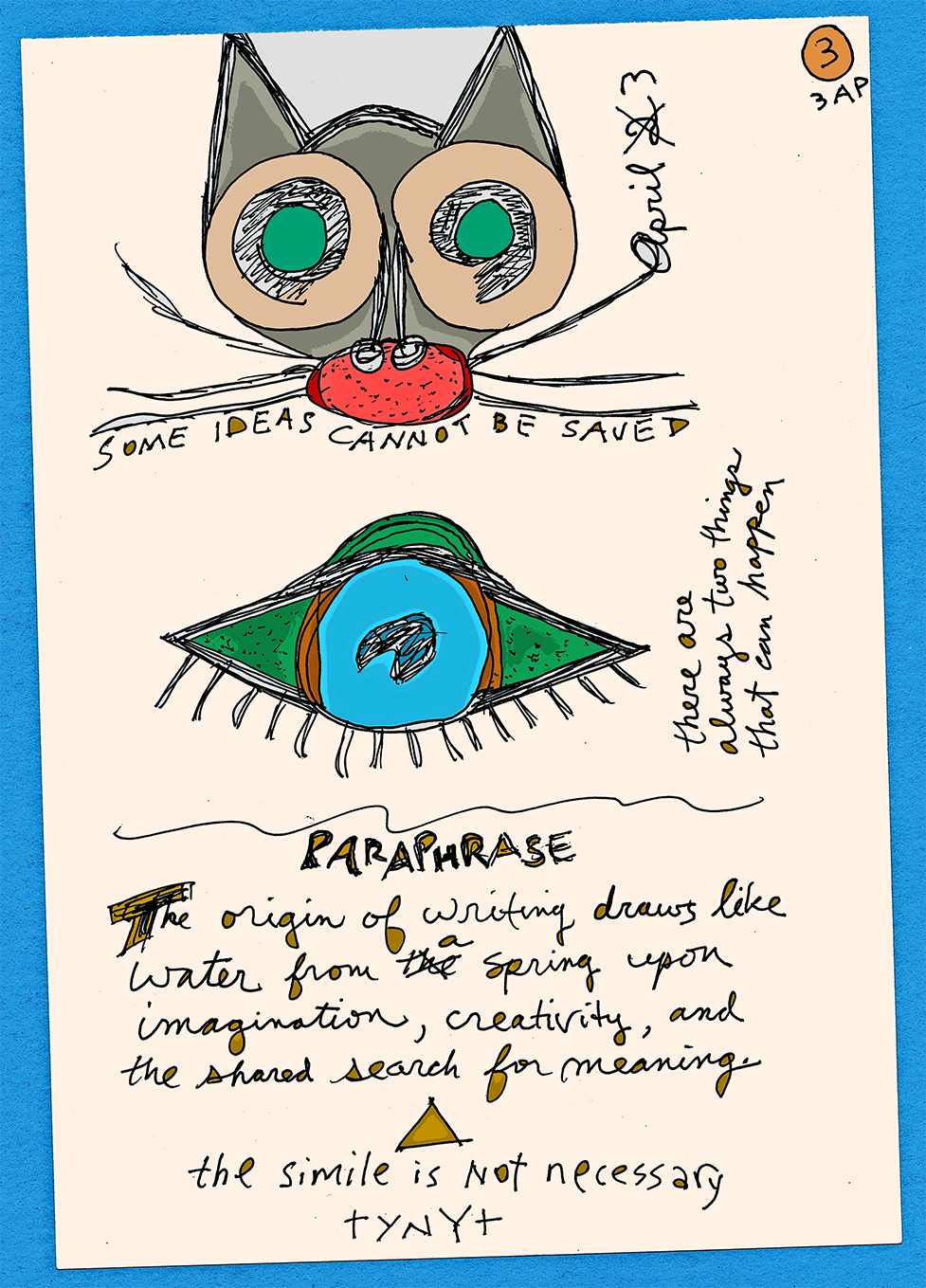
Image des Civilizations Totalitaires
“ monuments of immobility … obsessed with notions of eternity ”
to paraphrase:
“the gigantic mustachioed face glitters and shimmers in a silvery searchlight”
. . . .
“Far away — transitory, temporary, ephemeral — all disappeared behind the giant face in the darkly sky. Here, on the vast public square, is the solidness of nativist power — something permanent and monumental to cling to.”
from
Disappearance
Igor I. Trifonov | 1937
I knew Igor.
His brother was named Borys,
who taught me football.
Both were proudly Polish —
displaced nobility some say.
The boys
came to America with mama and papa
a day before the Nazis arrived.
But only one dated my mother.
Not so.
The boys were interned with sister, mama, ’n papa in a Nazi Polenlager work camp for civilians in their native Poland — textile sweat shops, rock quarries, munitions plants, coal mines, who knows? Released in 1945, the M----- family immigrated to the USA in 1949.
First Day of April
Peach Blossom
3 Dog Acres in the Ozark Highlands of Arkansas
1 April 2022


Thirty-First Day of March
Blossom of the Stellata Magnolia
aka The Royal Star Tree
Three Dog Acres in the Ozark Highlands of Arkansas
28 March 2022

To Stir the Springs of Memory
“There are frequently mornings in March,
when a lover of nature may enjoy, in a stroll, sensations not to be exceeded, or, perhaps, equalled by any thing which the full glory of summer can awaken :— mornings, which tempt us to cast the memory of winter, or the fear of its recurrence out of our thoughts.
“The sky is clear,
the sun flings abroad not only a gladdening splendour, but an almost summer glow. The world seems suddenly aroused to hope and enjoyment.
. . . .
“As you pass cottages,
they have caught the happy infection. There are windows thrown open, and doors standing a-jar. The inhabitants are in their gardens, some cleaning away rubbish, some turning up the light and fresh-smelling soil amongst the tufts of snowdrops and rows of glowing yellow crocuses.
. . . .
“The hares are hopping
about the fields, the excitement of the season overcoming their habitual timidity. The woods, though yet unadorned with their leafy garniture, are beautiful to look on. They seem flushed with life. Their boughs are of a clear and glossy lead colour, and the tree-tops are rich with the vigorous hues of brown, red, and purple.
. . . .
“These are mornings
not to be neglected by the lover of nature; and if not neglected, then, not to be forgotten, for they will stir the springs of memory, and make us live over again times and seasons, in which we cannot, for the pleasure and the purity of our spirits, live too much.”
William Howe of Nottingham
Entry for March 29
The Every-Day Book
1889

Stuck On A
L E M O N
Established Reputation
“CCH represents about 14% of the California lemon market, 10% of the California orange market and 30% of the California grapefruit market. We have developed customer partners throughout the Far East and North America and by working directly with our customers we have built excellent communications and trust. Repeat orders are common and we work hard to establish season-long buying programs with our customers.”
from the CCH Citrus Website 2022
Twenty-Eighth Day of March
Blackbirds Fly toward Boreas
Near Sunset in the Ozark Highlands of Arkansas
3 Dog Acres | 3 February 2012

In the worst of days,
we might
. . . .
we might
. . . .
(they always repeat themselves)
((Wolf Blitzer Wolf Blitzer))
. . . .
We might
look to the heavenlies
&
look for hope.
Fleeting it be,
hope,
before the dark descends.
Fleeting it be,
but it be :
hope.
(nonetheless … it be)
“Won't you stay with me?”
Very Very
Twenty-Seventh Day of March
Pansy
3 Dog Acres in the Ozark Highlands
27 March 2022

All, all is delight
through the field and the grove,
For this is the season
— the season of love —
— ; Cold eyes
That slight dear Nature's loveliness
Profane her mysteries.
Long time I looked and lingered there
Absorbed in still delight.
My spirit drank deep quietness
In the too quiet sight.
“ ”
Twenty-Sixth Day of March
Two Daffodil Blossoms
3 Dog Acres in the Ozark Highlands
25 March 2022


Twenty-Fifth Day of March
Not Elon

Identical Twins
Tropical Hibiscus Flowers at 3 Dog Acres
Rural Ozark Highlands | 15 June 2019


‘When I'm Not on Drugs’
“Were we always like that? Or did something, at some point, go terribly wrong?”
‡
“The reason I chose to leave Auburn because we got treated like we wasn't good enough and like dogs.”
‡
“Blood everywhere. The thoughts won't stop. Help me.”
‡
“I've been doing drugs since I was fourteen years old. That's all I've ever known. I can tell you this — when I'm sober, I don't commit crimes. When I'm not on drugs, I'm a good guy.”
‡
“I shouldn't have shot. That was a mistake. I know it was. But I seen red, you know. I did. It just burnt me up, you know. He clobbered me and see, I went back and I went for my gun, and he started off, and I shot. That was temporary insanity or whatever. I seen red, and I shot. I shouldn't have shot."
‡
“Blood everywhere.”

Twenty-Fourth Day of March
Urban Ruins
Helena, Arkansas | 13 September 2007

What can you see if you look slow ‘n close?
(Are you sad ’cause you're on your own?)
The serpent maybe?
Yes (you see).
Them sees
the serpent.
“Its tail
swept away
a third of the stars in the sky
and hurled them
down to the earth.”
“ … the serpent … the most cunning of all … ”
Them sees the serpent.

Some like it flat.
(We can do dat.)
“As God cursed the serpent, David the mountains of Gilboa, and our Saviour the barren fig-tree; so, in like manner, the church had full power and authority to exorcise, anathematise, and excommunicate all animate and inanimate things. But as the lower animals, being created before man, were the elder-born and first heirs of the earth, as God blessed them and gave them ‘every green herb for meat,’ as they were provided for in the ark, and entitled to the privileges of the sabbath, they must ever be treated with the greatest clemency, consistent with justice.”
. . . .
“This looks straightforward enough, but the delays and uncertainties of the law — ecclesiastical law especially — having long been proverbial, the courts, by every available means of delay, evaded the last extremity of pronouncing the exorcism, probably lest the animals should neglect to pay attention to it.
“Indeed, it is actually recorded that, in some instances, the noxious animals, instead of ‘withering off the face of the earth,’ after being anathematised, became more abundant and destructive than before.”
from
The Book of Days
Robert Chambers | 1863

Knavish Bakers
“A common practice of fraud with knavish bakers seems to have been the making of bread of pure quality on the outside and coarse within — a practice which was forbidden.
“They also were at times reminded by the civic authorities that it was their duty to instruct their servants so many times in the year, how to bolt the flour and knead their dough.”
from
(once again)
The Book of Days
Robert Chambers | 1863
Twenty-Second Day of March
An Illuminated Messenger
Alighting at the Chaco Ruins
Deep in the New Mexico Desert | 2 June 2009
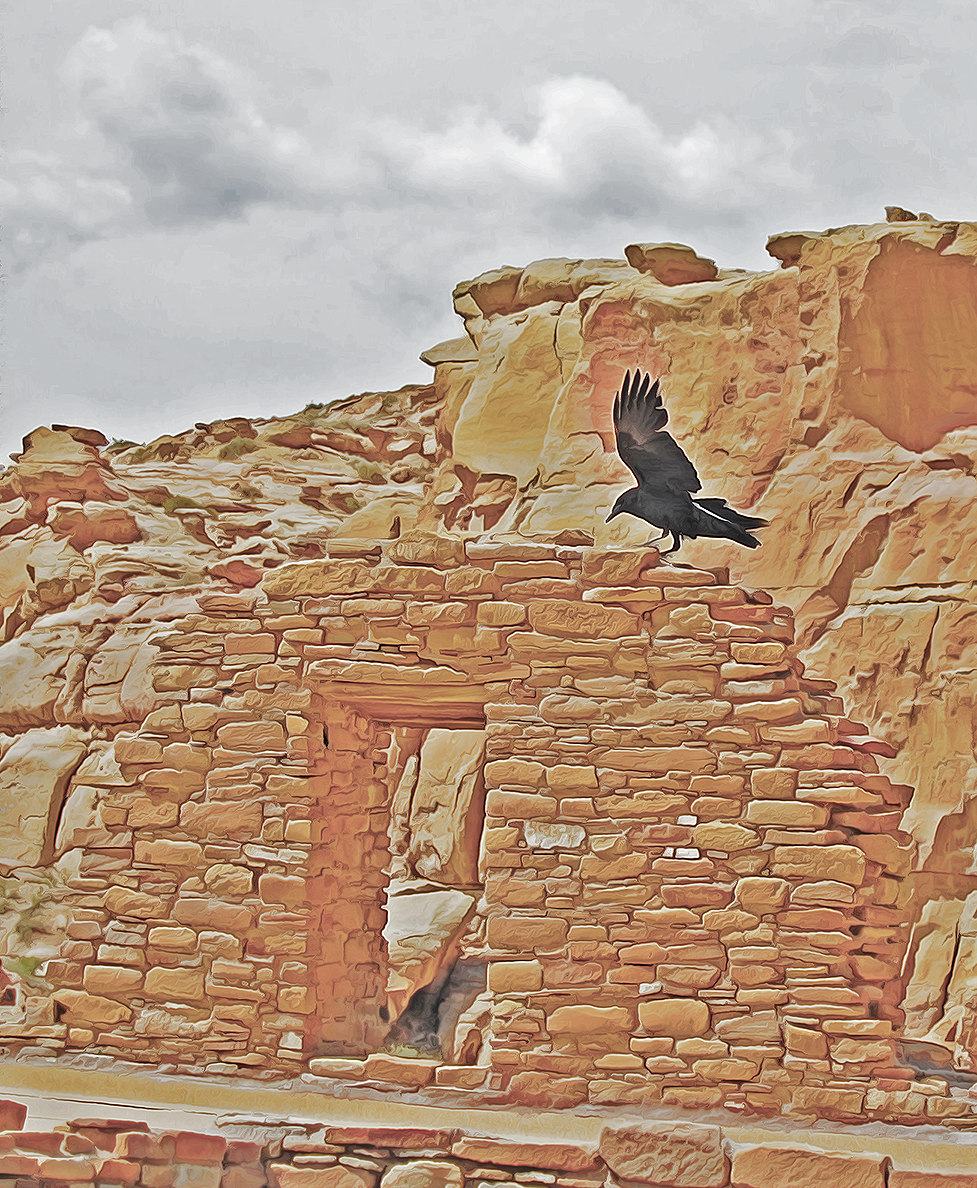
“ The melody of the birds
. . . .
now
. . . .
gradually
. . . .
swells upon the ear. ”
And
Sometimes
It Pays to Be Spineless
Twenty-First Day of March
Dancing Flame No. 2
3 Dog Acres | 8 March 2022

“See,
everything she does is with urgency.
Everything is life and death.”
Lurking. At the Heart
“Supermassive black holes are thought to lurk at the heart of most, if not all, galaxies, but theorists don't know how they grow so big.”
. . . .
“My first instinct was it must be related to a pair of supermassive black holes.”
from
Science
4 February 2022
What Lurks at Your Heart?

Fourteenth Day of March
2 Smokestacks and a Skyscraper
from the
East River
Manhattan in New York City
25 January 2017

13
Is
Sometimes
Someone's
Lucky Day

Tenth Day of March
Guardian of The People
Officer Paul Edwards
University of Arkansas Police Department
Fayetteville, Arkansas | 4 March 2022

The Poet Soldier
“On 22 September 1586 he led an attack on a Spanish convoy bringing supplies to the fortified city of Zutphen. He received a musket shot in his thigh and died of infection three weeks later.
“Greville, who was not present, subsequently told the story of Sidney's death with two famous embellishments, claiming that Sidney left off his thigh-armour deliberately, so as not to be better armed than the marshal of the camp,
and that
as he was being carried wounded from the field he saw a dying soldier gazing at his water bottle, and gave it to him with the words,
“Thy necessity is yet greater than mine.”
from
The Oxford Companion
to
English Literature
Margaret Drabble Ed. | Fifth Edition 1985

3 Ukrainians and 2 Dogs at War
CNN | 6 March 2022
Seventh Day of March
Ellis Pecan Company
Erected on North Main Street in 1925
Fort Worth, Texas | 1 April 2016

Throw Your Javelin.
“Our home is gone.”
•
“We're facing a totally new situation.”
•
“Everything I ever thought to be a nightmare is nothing compared to what I am witnessing.”
•
“First they create a critical situation. Then they heroically save us.” [extreme irony]
•
“It's an avalanche of people with cars, with pets.”
•
“When you're in the street, at any moment a rocket can land next to you.”
•
“War is an unpredictable animal. Once you let it out, no one — no one — knows what will happen.”
from
The Sunday New York Times
6 March 2022
Fourth Day of March
Glory to Ukraine!
Glory to the Heroes!

“Water service line repairs are typically not covered by standard homeowner insurance and can be very complicated to fix. This means that you could be left having to pay an expensive bill for the repair of underground pipes. Unfortunately, this kind of problem can be caused by normal wear and tear or by Russian bombs and rockets, and can happen at any time without warning.”
Second Day of March
Dancing Flame No. 1
3 Dog Acres in the Ozark Highlands of Arkansas
2 March 2022

Fire and Blunder
“He must have gone mad.”
“We are all waiting for what happens next.”
“We cannot keep up the illusion of normality.”
“Some weeds will bloom in the swamp, but there will only be scorched land around it.”
“The propaganda is working very well.”
“Those who shout that P[oo]tin is great! and bravo to him! are no longer shouting out loud.” If shouting at all.
“He must have gone mad.”
from
The Sunday New York Times
27 February 2022

The Old Order
gives way
&
a new
Broken Order
takes sway
&
we enter into
the
Uncertain Spring
&
then
a
Butter Cup
emerges
a million miles
away.
“How do you get rest? How do you get some kind of peace? It's like we're stuck in purgatory.”
Twenty-Sixth Day of February
Freedom Fighter
Volodymyr Zelenskyy | Kyiv, Ukraine
26 February 2022 via CNN

Defiant. Heroic.
“The fight is here. I need ammunition. Not a ride.”
“I'm here. We won't lay down our arms. We will defend our state.”
Freedom Fighter
Petro Poroshenko | Kyiv, Ukraine
26 February 2022 via CNN

Take the Rifle. Protect the Nation.
“Everybody here — all the young and old people — truly understand that we have this choice. Somebody has a choice to go abroad. Somebody has a choice to be the refugee on some region of Ukraine. But many — the biggest part — make decision to take the rifle and protect the nation. I proud to be for these people. I proud for our country. I proud to be Ukrainian.”
Twenty-Fourth Day of February
World Champion for 900 Days
JAZZ
Carlene Denise Moore-Begnaud
Sherman, Texas | 16 September 2016

Asphalt Explained
“People are foaming at the mouth over this issue.”
‡
He said it was the best description of asphalt he'd read.
‡
“The researchers had a theory. They speculated that male writers were most interested in specifying the properties of objects precisely, while female writers were more interested in constructing a relationship with the reader. OK, that's a stereotype (men are into things and women are into people), but.…”
. . . .
“Only yesterday, I heard a male writer on the radio explaining why he preferred to read other male writers: One of the reasons he gave was that men's writing gets to the point.…”
from
debuk.wordpress.com
debuk | 6 March 2016
‡
“It is worth celebrating the fact that Mary Somerville's Mechanism of the Heavens was used at Cambridge as an advanced textbook in celestial mechanics.” [PHYS.ORG] 2019
‡
“Men, on the other hand, use more numbers, adjectives and determiners — words such as the, this, and that — because they apparently care more than women do about conveying specific information. The intent of male writers often was to say: ‘Here's something I want to tell you about, and here are some things about it.’” Chicago Tribune 28 May 2003
‡
“What he's saying is that men use subordinate clauses which allow them to specify the logical relationships between points — because, however, therefore — whereas women just string their points together in any old order using the all-purpose coordinator and.” debuk
‡
“Mr. Garcia's company operates 27 asphalt plants across Georgia, crushing rocks mined from nearby quarries, combining them with sand and gravel into a mix known as ‘aggregate’ and cooking them with asphalt, a viscous liquid derived from crude oil. The asphalt mix is then loaded onto 18-ton trucks that transport the mix to the job sites.”
Kate Kelly
The New York Times | 20 February 2022
‡
S T Y L O M E T R Y
“The technique of making statistical analyses of the features of a literary style, esp. by means of a computer.” OED 2022
‡
“…Captains Kristen Griest and Shaye Haver became the first women to graduate Ranger School, one of the most grueling mililtary courses in the world.” Stars and Stripes 15 August 2020
‡
Infantry Jobs
“As a first step toward becoming an infantry[wo]man, you'll train in the use of small arms, anti-tank, and other weapons systems. You will be responsible for capturing, destroying, and repelling enemy ground forces during missions.”
goarmy.com | 20 February 2022
White-Throated Sparrow
3 Dog Acres in Rural Arkansas | 24 February 2022
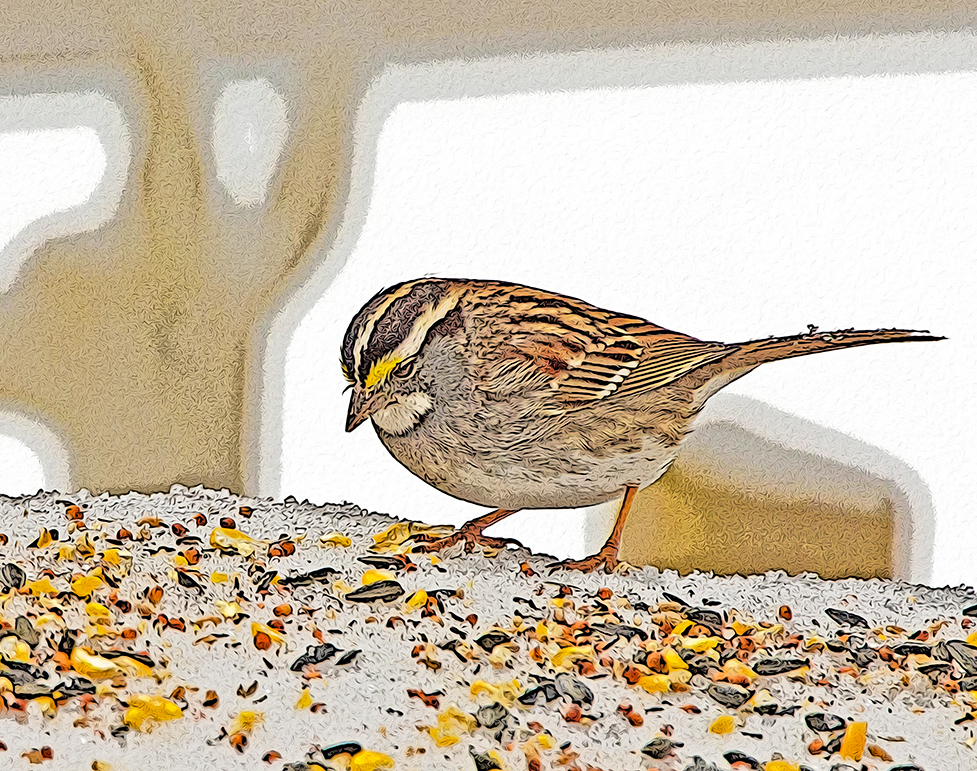
Chirrup! Chirrup!
Here we be
A noisy, thriving company.
. . . .
Nothing's wasted nor thrown away
Where sparrows and poor children play
. . . .
(but poverty is no disgrace)
. . . .
Alley cats so plague our lives,
Chasing our husbands and our wives,
As for sister, or for brother,
Cat's sure to have one or t’other.
Tis bad enough to live near rats,
Be hunted by poor ragged brats —
But nothing when compared to cats.
from
Birds, Bees, and Blossoms
Thomas Miller | London | 1841
Twenty-Third Day of February
Sparrow Stands in Sleet with Seeds
White-Throated Sparrow at 3 Dog Acres
Rural Arkansas | 23 February 2022
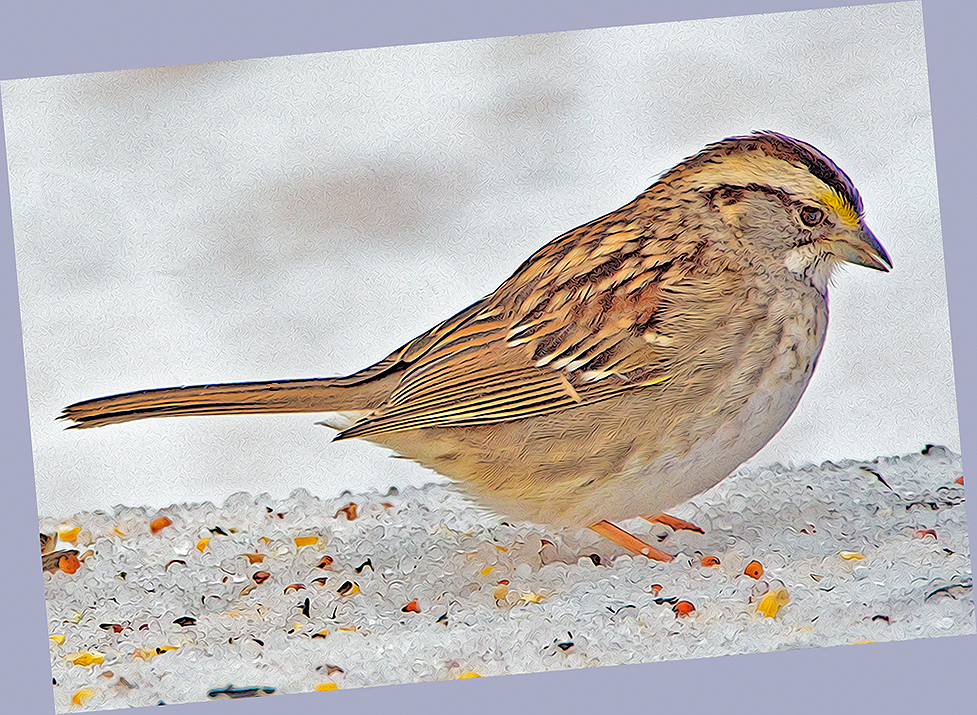
Nothing Reveals Like It Seems
“Those birds look wise to me.”

Stuck On An
O N I O N
Nevada White
“White onions were the first crop that David Peri planted when he started Peri & Sons Farms and he’s perfected them to have a distinct pearlescent white color, large globe shape and firm feel. In addition to being beautiful, our white onions are full of flavor and surprisingly, they generally taste sweeter.…”
from the Peri & Sons Website 2022
22 - 2 - 22
To Ring The Angelus
Saint Agnes Catholic Church
Antlers, Oklahoma | 18 March 2016

Casus Belli
"I have a small baby. You have no idea how scary it is to hide him from the shelling."
†
“I'm very worried.”
†
“I absolutely agree with him.”
†
“The smell of war is very strong.”
†
“I have a daughter.… Now gather and surmise.”
†
“…leaders urged women and children to evacuate and able-bodied men to prepare to fight.”
One Name, One Cause
One Grave, One Heaven
Do Tie Their Souls
To That One God
Eternally.
David Hamilton
and
David Hamilton
Scottish Martyrs | 21 February 1685
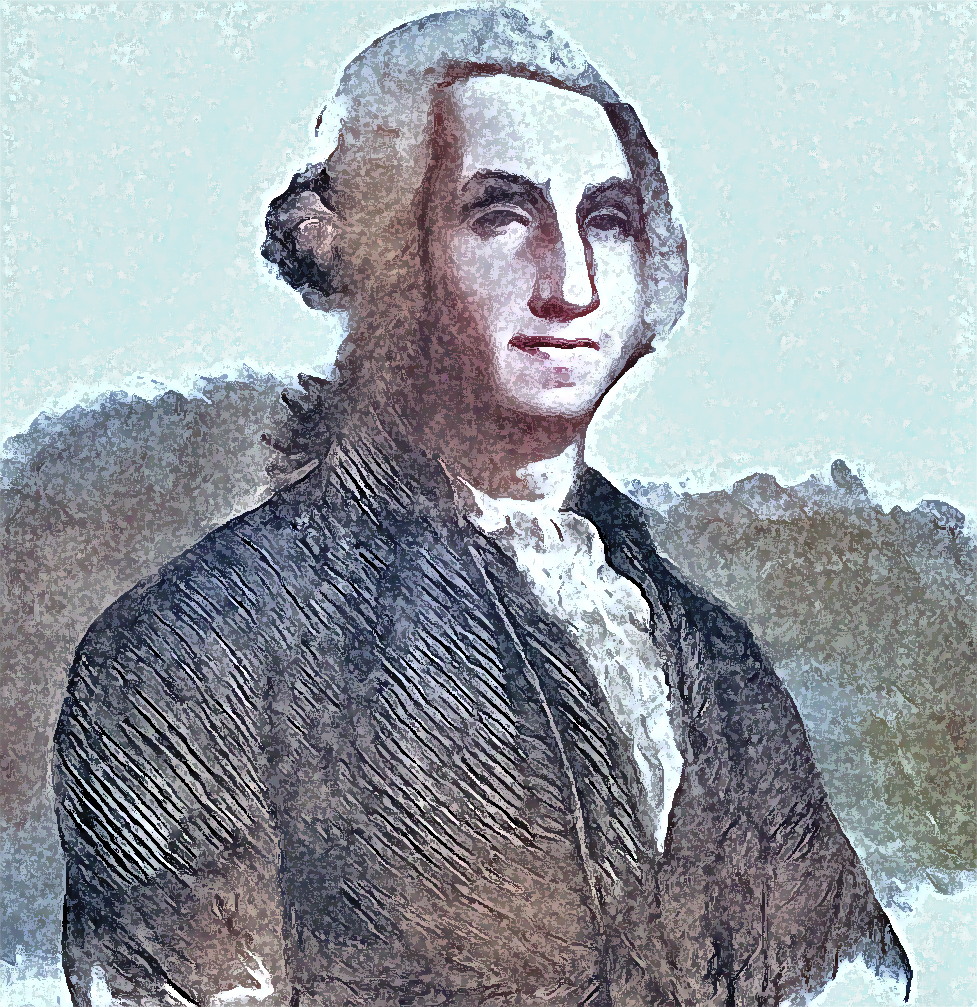
Born 22 February 1731
“George Washington, without the genius of Julius Caesar or Napoleon Bonaparte, has a far purer fame, as his ambition was of a higher and holier nature. Instead of seeking in Trumpian fashion to raise his own name, or seize supreme power, he devoted his whole talents, military and civil, to the establishment of the independence and the perpetuity of the liberties of his own country.”
The Life and Times of Charles James Fox
First Earl Russell | 1859
Nineteenth Day of February
Before the Match
Dirty Andy Dalton and His Happy Little Girl
NWA Texoma | Sherman, Texas
18 March 2016

To Be Bled
“We find about this time of year in the old Almanacks rules laid down for the care of the health, and people used now to be bled, as was the custom at spring and fall. This custom is deservedly going out of use, but we believe that this is an unwholesome time of the year, and that weak people require attention to the health more now than at any other time.
“Smoking is a wholesome custom, which should be recommended in the close cottages of the poor, and in great populous towns liable to contagion. Remember, rise early, and take exercise in plenty, but always take it with your stomach empty.”FEB. 19
from
Circle of the Seasons
Thomas Ignatius M. Forster | 1828

“The Administrative System needs workers who have stamped out all individual traits, personifying only their concrete posts and the corresponding functions. They are not individuals or, to be more exact, they are individuals who must retain only those individual traits which are necessary to ensure that the System works efficiently.
“But people are people.”
Eighteenth Day of February
“And then covid happened.”
Eighty-Five Percent Butter Fat

Like a Calenture
“In February 1828, Sir Walter Scott was breaking himself down by over-hard literary work, and had really fallen to some extent out of health. On the 17th he enters in his Diary, that, on the preceding day at dinner, although in company with two or three beloved old friends, he was strangely haunted by what he would call ‘the sense of pre-existence;’ namely, a confused idea that nothing that passed was said for the first time — that the same topics had been discussed, and the same persons had stated the same opinions on them. The sensation, he adds, ‘was so strong as to resemble what is called a mirage in the desert, or a calenture on board of ship, when lakes are seen in the desert, and sylvan landscapes in the sea. There was a vile sense of want of reality in all I did and said.’”
from
The Book of Days
Robert Chambers | 1863
“1. A disease incident to sailors within the tropics, characterized by delirium in which the patient, it is said, fancies the sea to be green fields, and desires to leap into it.” — OED 2022

Seventeenth Day of February
Two Tough Boys
Strike A Pose No. 1
Queens, New York City | 29 April 2016


There is none
can in his own power,
apprehend any thing
of the Depths of God,
and teach it to another,
but they are all children,
and Scholars in their A. B. C.
And though we speak highly thereof,
yet the understanding
is not our own,
but the Spirit of the Mother,
who speaks out of her children,
what it will.
She reveals herself in many forms,
in one otherwise
then in another.
Her wondrous wisdom
is a Deep without number.
You ought not to marvel,
that the Children of God
have but one manner
of speech and word.
Everyone speaks
out of the wisdom of the Mother,
whose number is without ground
and infinite.
from
Three-Fold Life of Man
Jacob Bohmen | 1620 & 1656
Harry Pierce 1949
Not Empty Gabble
Not Tittle Tattle
Nor the Sound of Castanets
“… a rattling noise made by the rapidly repeated collision of sonorous bodies which do not ring… to convey the idea of a sound sharper and shriller than a rattle”
Clatter
Not Rattle
“… a gurgling sound sometimes heard in the throat of a dying person”
Fifteenth Day of February
Cardinal Bird with Seed
Three Dog Acres | Washington County, Arkansas
15 February 2022
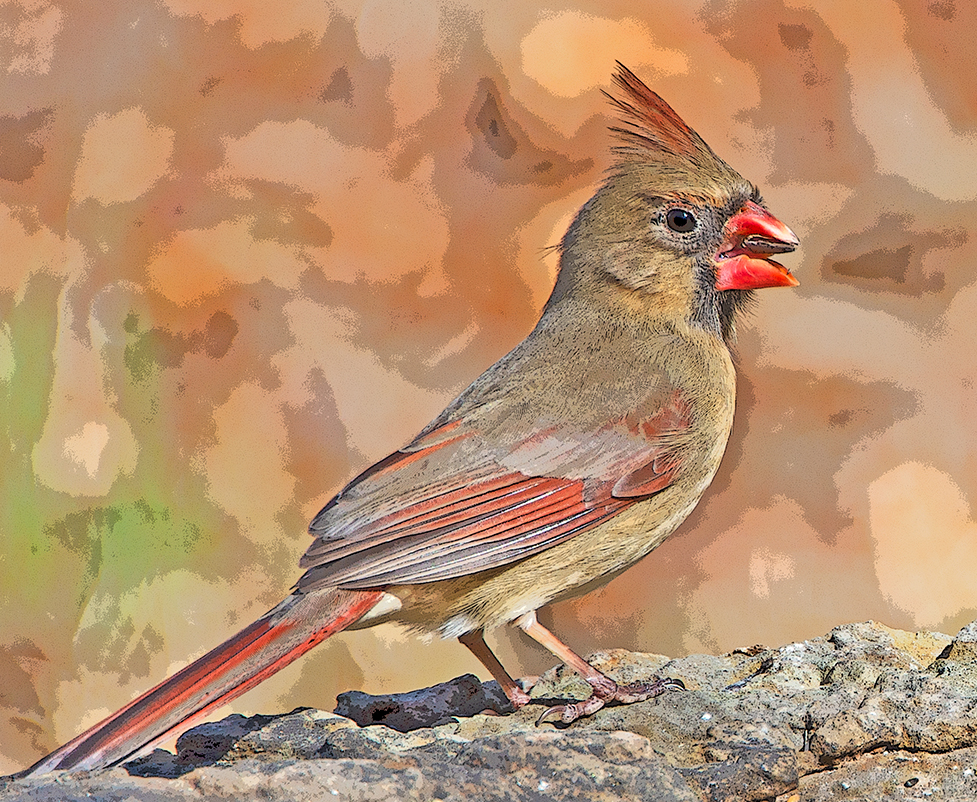
Little flutterer! swiftly flying,
Here is none to harm thee near;
Kite nor hawk, nor school-boy prying,
Little flutterer! cease to fear.
He no weasel stealing slyly
Would permit thy eggs to take;
Nor the pole-cat, nor the wily
Adder, nor the wretched snake.
James Jennings | 1822

FOR SALE: Licenses to Pollute
“That change is expected to generate several hundred carbon credits for the farms, which Indigo has contracted to sell for $27 a piece to buyers — JP Morgan Chase, Shopify, and North Face that are looking to counteract their greenhouse gas emissions.”
So....
“Carbon offsets counterbalance emissions occuring elsewhere — effectively giving their buyer a license to continue to pollute.” The New York Times 28 November 2021
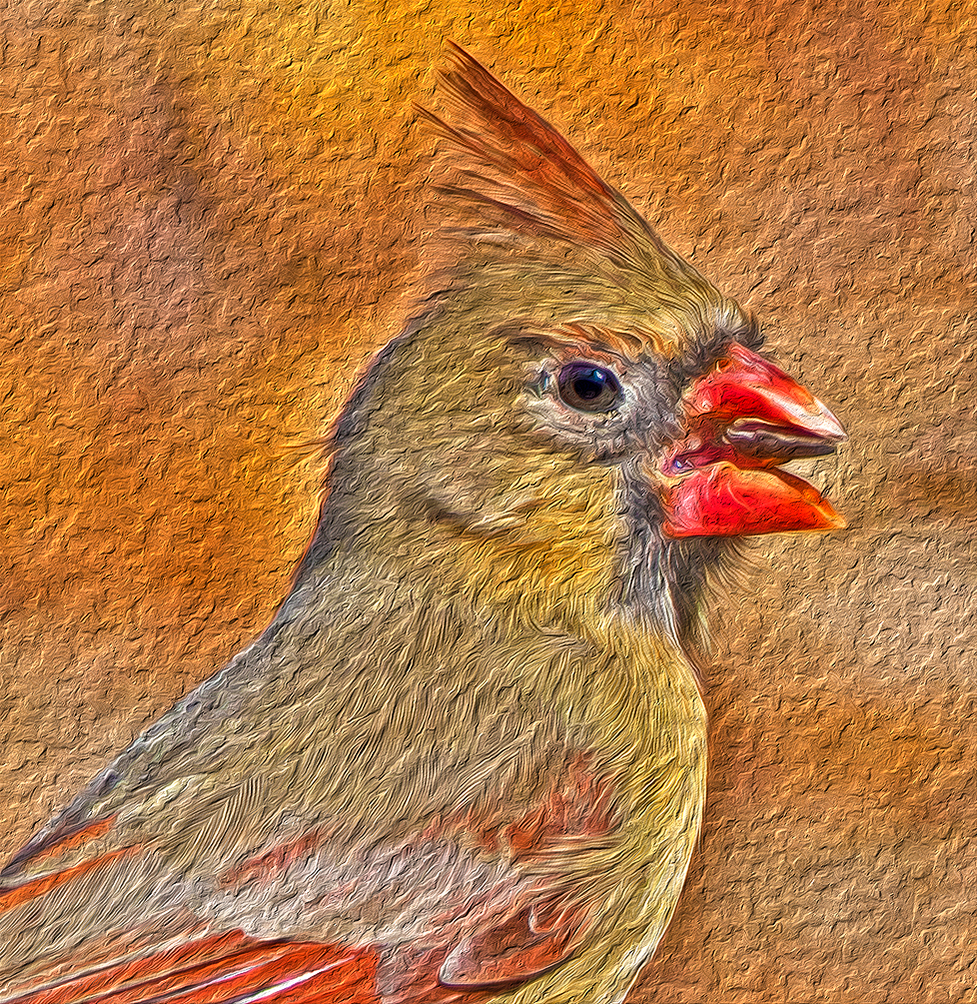
Boreal Mama
....
Strong, Alert, and Stately
Fourteenth Day of February
Yankees CLUBHOUSE
Manhattan, New York City
8 December 2016

Neuronal plasticity is the capacity of the brain to change its structure and function in response to experience. AI has not this capacity. Artificial neurons and artificial synapses cannot learn from experience and thus cannot modify stored knowledge. They are like calcium to the brain. In part, so supposes Rohit Abraham John.

“Their management practices are at cross purposes.”
Tenth Day of February
An E and an A and a Star
Sherman, Texas | 16 April 2016

Sun =
power + creation + thought + pride + symbols
Moon =
wisdom + destruction + revelation + vanity + emblems
Stars =
harmony + regeneration + attributes + ambition + allegories

Baby Babble Bellowed By Bats
=
Bat Babble Blabbled By Babbling Baby Bats
Ninth Day of February
Alabama Power Company
A Sign Constructed During the Roarin' Twenties
Attalia, Alabama | 12 January 2022

Reddy Kilowatt
“Gas-lighting had a ridiculous objection to contend with, worthy to be ranked with that which insisted for years, without experiment, that the wheels of steam locomotives would go on whirling without creating any forward movement. It was generally assumed that the pipes conveying gas would be hot, and apt to produce conflagrations. People used to touch them cautiously with their hands, under the belief that a careless touch would burn them.
“The lamp-lighters, to a man, were opposed to the new mode of lighting.”
from
The Book of Days
Robert Chambers | 1863

The fear of the unknown has been named misoneism. It is best exemplified in children and savages, but not necessarily in savage children. So say some Italians. So we hear some Italians saying La pellagra ed il misoneismo.
Joseph and Mary Study Number One
Sacred Heart of Jesus Roman Catholic Church
Cullman, Alabama | 14 January 2022
The One and Only Reddy Kilowatt
Eighth Day of February
Gordon Morgan | 1931 - 2019
Freedom Fighter
Fayetteville, Arkansas | 13 September 2019

It will be all right yet:
There will be a resurrection of credits,
as well as of bodies.
We'll have glory enough, by and by.
Richard Sibbes | 1869
Seventh Day of February
She Meets the World Champion
NWA Texoma | Sherman, Texas
19 October 2016

Winter — slippy, drippy, nippy
Spring — showery, flowery, bowery
Summer — happy, croppy, poppy
Autumn — wheezy, sneezy, freezy

“Throwing ‘stakeholder' into a sentence is a demonstration that they care about loftier matters than private jets, oceanfront mansions, and the other paraphernalia of wealth.”
— NYT Peter S. Goodman 16 January 2022

“Mr. Zink, a onetime church deacon, referenced the biblical Book of Proverbs as he outlined why he believed Covid-19 is a bioweapon meant to convert the United States to socialism. He lamented that the United States ‘was no longer a Christian nation.’”
“Men got to step up, we don't have that many men anymore.’”
“We were able to surround a number of terrorists who had taken children as shields and we killed them.” Who?
Fifth Day of February
Our Lady of Guadalupe
Corpus Christie, Texas | 15 February 2009

‘Oh, how handsome she is!’
A traveller witnessed the following during a visit to Catania, Sicily, in 1819.
“The image of the saint, of the natural size, is carried to the church on the shoulders of four priests : this object of adoration of the people was decorated with diamonds and all kinds of precious stones, and reclined on a massive plate of silver ; it was covered with a veil. Cries of ‘Long live Saint Agatha’ resounded through the church, which was splendidly illuminated. The soldiers, ranged in two lines, could scarcely make a passage for it : every one was in motion, and was continually leaping before the statue, exclaiming, ‘Oh, how handsome she is! Oh, how good,’ & c. From the church the image was conveyed to an enormous car, drawn by twenty pair of oxen, and thus paraded round the city amid peals of applause from the infatuated multitude. The fete was terminated by a display of fireworks and a general illumination.”
Saint Agatha
was martyred on 5 February 251
from
Time's Telescope
John Millard | 1823
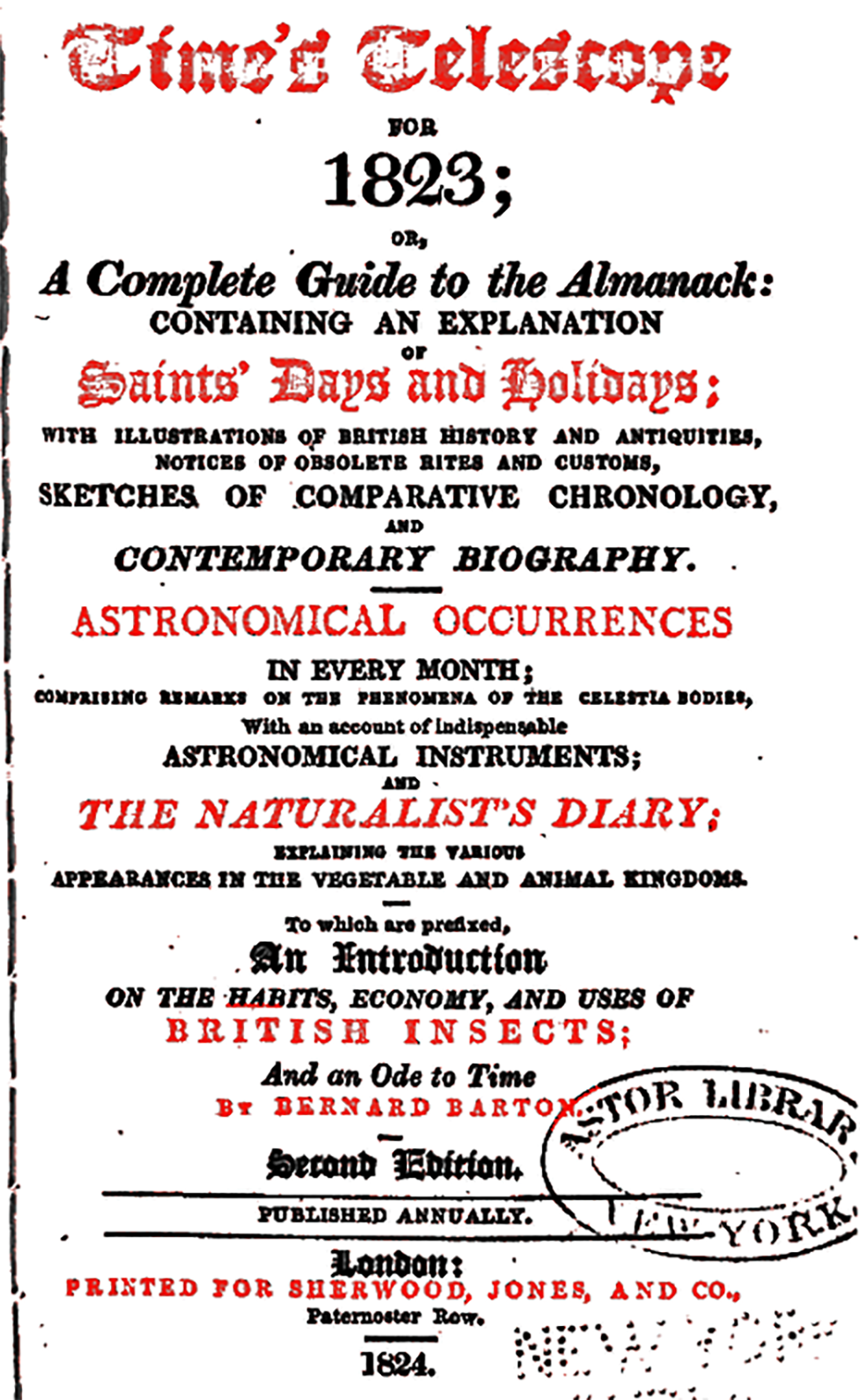
Fourth Day of February
Leaf of the White Oak Tree
Washington County, Arkansas
Autumn 2021

“Honestly, I'd rather live in France.”
“You should go back to your country.”
“In England, even the steering wheel is in the wrong place.”
“We imagined our children growing up like that, and we said, ‘No.’”
“A false equivalence of victimization is but one hallmark of the new Polish historical revisionism.”

A Royal Speech by Candlelight
The opening-day of the Session of Parliament on February 4, 1836, was unusually gloomy, which, added to an imperfection in the sight of King William IV., and the darkness of the House, rendered it impossible for his Majesty to read the royal speech with facility. Most patiently and good-naturedly did he struggle with the task, often hesitating, sometimes mistaking, and at others correcting himself. On one occasion, he stuck altogether, and after two or three ineffectual efforts to make out the word, he was obliged to give it up ; when, turning to Lord Melbourne, who stood on his right hand, and looking him most significantly in the face, he said in a tone sufficiently loud to be audible in all parts of the House, ‘Eh! what is it?’
from
The Book of Days
A Miscellany
Of
Popular Antiquities
Robert Chambers | 1863
Third Day of February
Room Number and Porch Ceiling
The Savoy Hotel
Nowata, Oklahoma | Nuwi ta Cherokee Nation
26 May 2009

“And, therefore, we must not despise the science of numbers, which, in many passages of holy Scripture, is found to be of eminent service to the careful interpreter. Neither has it been without reason numbered among God's praises, ‘Thou hast ordered all things in number, and measure, and weight.’”
from
The City of God
Saint Augustine of Hippo | AD 426
Ad Majorem Dei Gloriam

Passenger Tickets
The Ciklámen Express aka the Primrose Train
Györ to Budapest | 26 April 1992

Second Day of February
Barn
Holly Grove, Arkansas
11 January 2022
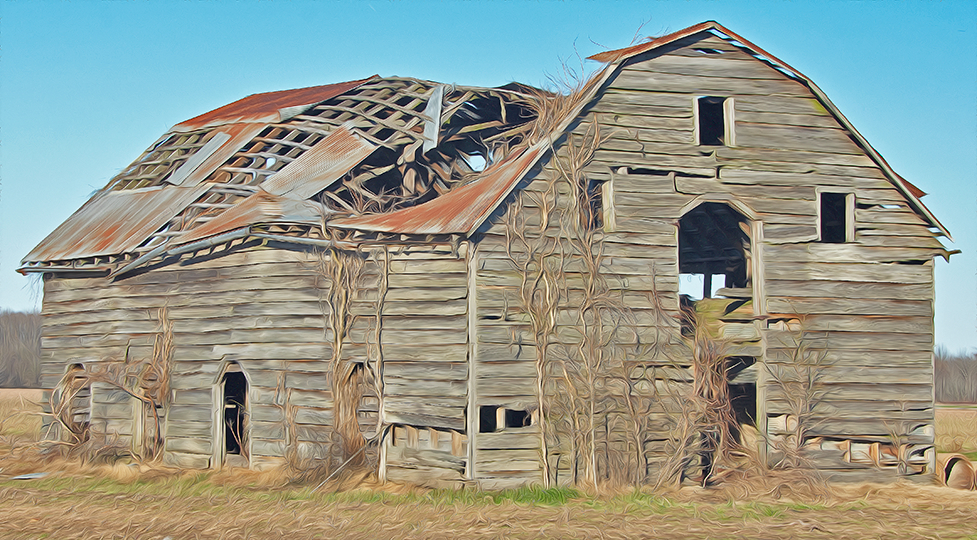
“There's much more to a building than its facade, but first impressions do go a long way.” Architectural Record edition 08 2021.

1978 EL CAMINO OWNER'S MANUAL
When it comes to service, remember that your Chevrolet dealer knows your vehicle best. Your dealer is interested in your complete satisfaction. Return to him….
First Day of February
Traffic Light
McCurtain, Oklahoma | Choctaw Nation
18 March 2016

“Survivors say there was no warning before the bullets flew.”
The more gods the people could worship, the better for the priesthood. Some seers determined the will of the gods by studying the flight pattern of a flock of birds. Vestal Virgins, chosen before puberty and sworn to serve for thirty years, prayed for good health and long life for all the souls of the community. Not every Vestal Virgin lasted thirty years. As the crow flies, we hear that under a half moon the pontifex maximus offered one virgin, a comely younger, as a blood sacrifice to the godly collective. One hoary god, vexed, said, “You should have waited.”
from
Messengers from Rome LVI
Harry David Pierce | 1949

Thirtieth Day of January
Sahara Seven
Rappahannock County High School
Washington, Virginia | 10 December 2016


“Technically, the Microsanctuary runs afoul of a city ordinance that prevents trapping and removing the chickens. But the city will allow it as long as residents are not peckish.”
“Some of the district residents and businesses complained about the chickens pooping on porches, destroying mulch and publicly procreating.”

Twenty-Ninth Day of January
Old Town Ruins
Clarksdale, Mississippi
12 January 2022

Eyes are formed
to serve the inward light
And not the outward show.
from
Astrophel and Stella
Sir Philip Sidney | 1591
Twenty-Eighth Day of January
Blue Prima Ballerina
Lebanon, Missouri
20 May 2017


The New Story
“There is a need for a new story or myth of the emergence of the Earth. Since the dawn of human consciousness, story has been the basic vehicle of human understanding and meaning. In every culture throughout history, story-tellers have enthralled and delighted people and brought joy and meaning to their lives.”
from
Gaia's Hidden Life
Sean McDonagh | 1992
“To engage with the myth encourages trickery, the invention of a new story in which Orpheus might somehow not succumb to the urge to look back....”
— NYRofB 13 January 2022

“On the 28th of January 1725 died Peter I., Czar of Russia, deservedly named the Great; one of the most extraordinary men that ever appeared on the great theatre of the world, in any age or country — a being full of contradictions, yet consistent in all he did.”
Twenty-Seventh Day of January
Junction Bridge o'er the Arkansas River
North Little Rock and Little Rock, Arkansas
14 July 2018

Behold the irresistibly delicious taste
of creamy milk chocolate with just a touch of sweetness.
This is hot chocolate the way it's meant to be —
rich,
full-bodied,
and deeply satisfying.
made in Canada
† † †
Splendidis longum valedico nugis

By Way of an Obituary
"He was an exact mathematician, a curious calculator of nativities, a general-read scholar, a thorough-paced philologist, and one that understood the surveying of lands well. As he was by many accounted a severe student, a devourer of authors, and melancholy and humorous person, so, by others who knew him well, a person of great honesty, plain-dealing, and charity."
So writes Anthony Wood
in
Athena Oxinienses,
An Exact
H I S T O R Y
OF ALL THE
Writers and Bishops
Who have had their Education in
the most ancient and famous University
OF
O X F O R D
F R O M
The Fifteenth Year of King Henry the Seventh, Dom. 1500, to the End of the Year 1690.
LONDON | MDCXCII
Robert Burton died on 27 January 1639
Paucis notus, paucioribus ignotus,
Hic jacet semocritus junior,
Cui vitam dedit et mortem
Ob. 8, Id. Jan. A.C. MD.XXXIX.
Epitaph at Mr. Burton's grave site
Twenty-Sixth Day of January
Chameleon Comics
3 Maiden Lane in Manhattan New York City
9 December 2016

“… an old woman has been watching him through the windows, reading his thoughts and working against him in court on behalf of the United Nations, to keep him incarcerated. He also has delusions about the United Nations, the anti-christ, and a new world order. He's not fully intact with reality.”
“Their glum faces told the story:
Chameleon was shutting its doors
after nearly 30 years in Manhattan’s Financial District.”
Twenty-Fifth Day of January
Delta Wholesale Hardware Co. Inc.
Clarksdale, Mississippi
12 January 2022
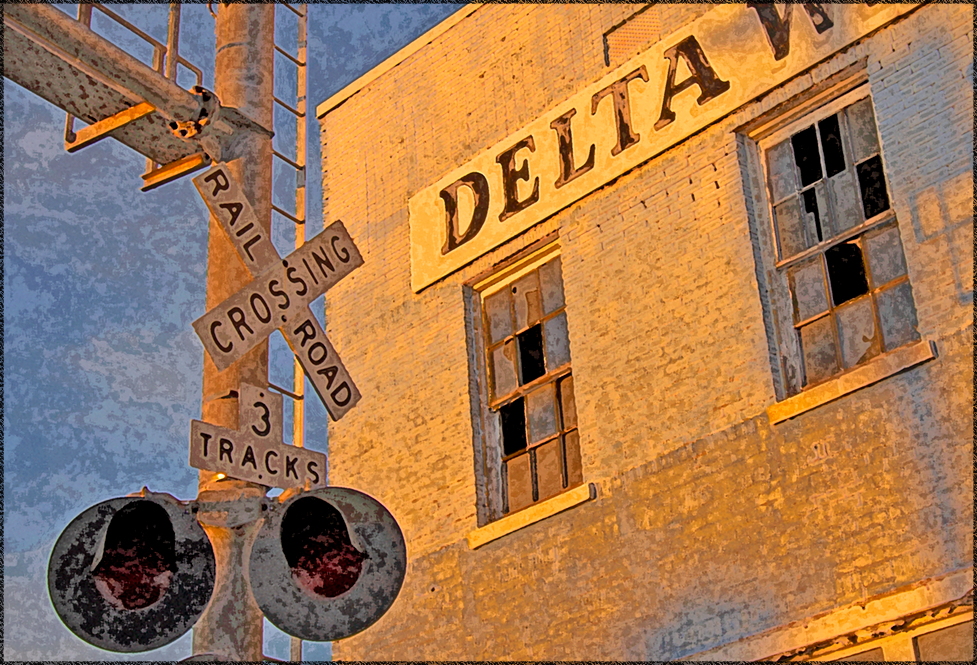
"We offer the largest selection of captive bred scorpions in the USA, also a wide variety of spiders, tarantulas, and other arachnids. We specialize in rare and uncommon species of scorpions and spiders."
ARACHNID RARITIES | 22 Janaury 2022

Going ninety miles an hour down a dead end street
Yeah ninety miles an hour down a dead end street
Robert Zimmerman | 1988
a street with only one way in or out
Twenty-Fourth Day of January
Blesséd Mother with Child
Pope John XXIII High School in Sparta, New Jersey
18 August 2009

To you, to you, all song of praise is due,
Only in you my song begins and endeth.
from
Astrophel and Stella
Sir Philip Sidney | 1591
"The incident followed on the heels of an act of vandalism that took place Wednesday night in which vandals glued a helmet bearing a Sparta High School insignia on the head of a statue of Pope John High School's namesake. Removal of the helment was laborious and required the use of saws."
Twenty-Third Day of January
Brandon the Bride-Less Groom on left
and Shawn Hernandez at the Do-It-To-It pro wrestling show
in Tulsa, Oklahoma, on 12 September 2015

Housekeeping Request Form
“We are only cleaning stayover rooms every 5 days. If you need additional service, please fill-out this form and turn it into our Front Desk staff by 10 a.m.”
Twenty-Second Day of January
Buffington Hotel in Westville, Oklahoma, on 19 November 2015

“They're brushing and sweeping the dust off the runway. Then three minutes later we started to have more ashes coming down.”
Twenty-First Day of January
El Salvador Restaurant north of Dallas, Texas, on 19 May 2016

The Romans once admired a gander
More than they did their chief commander
from
The Book of Days: A Miscellany of Popular Antiquities Vol. I
by Robert Chambers | 1863
Eighteenth Day of January
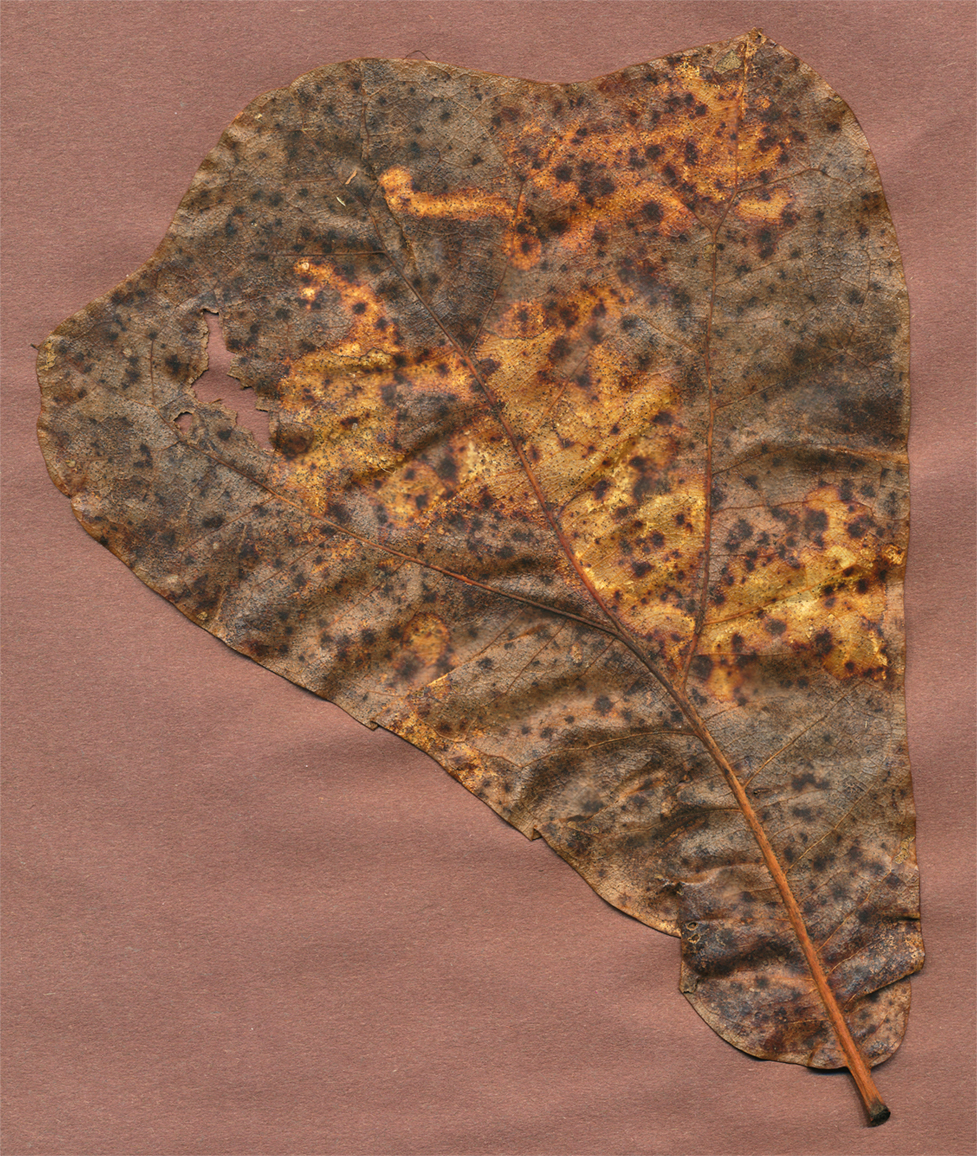
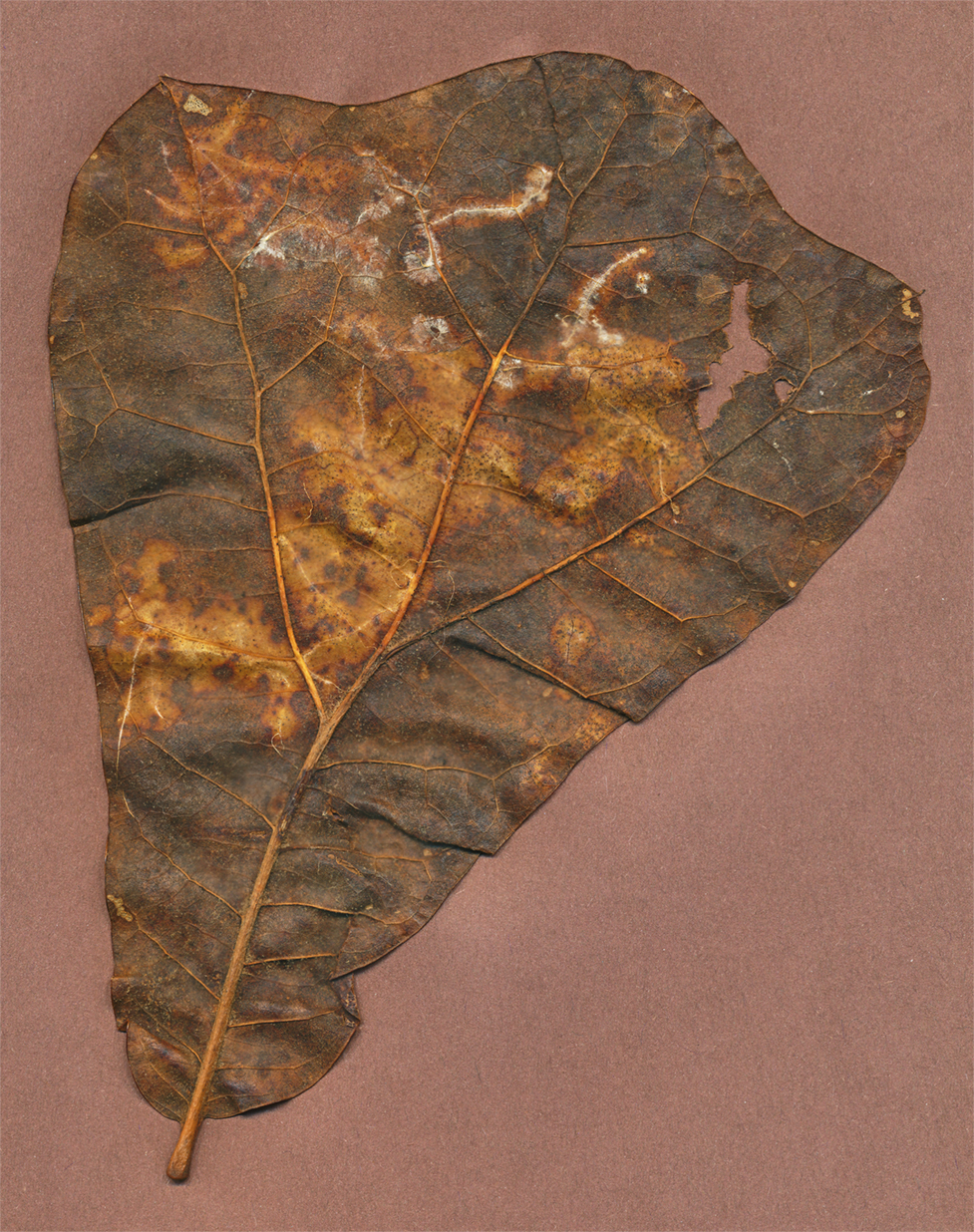
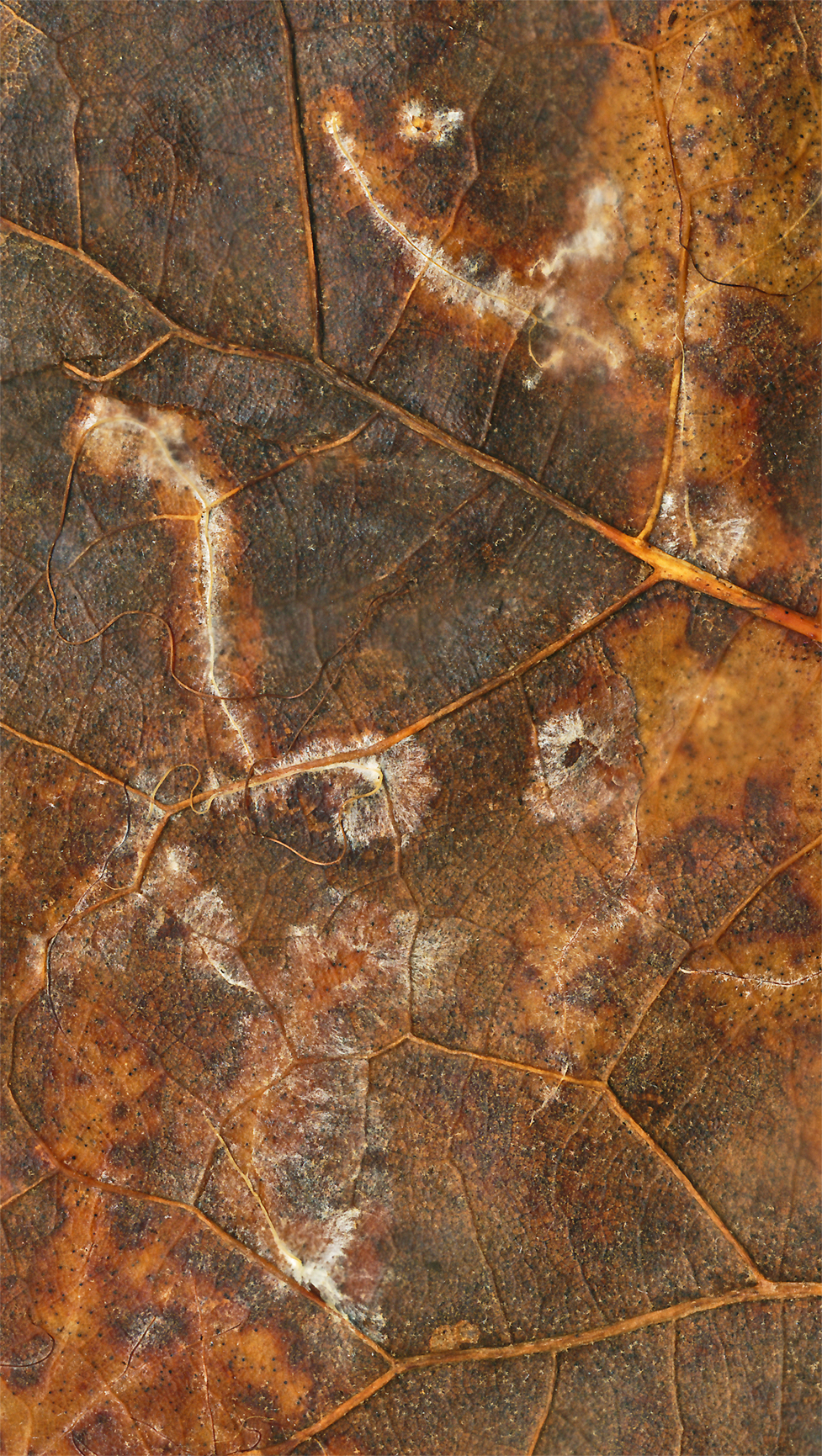
Sixteenth Day of January

Thirty-First Day of December

Thirtieth Day of December

Twenty-Eighth Day of December

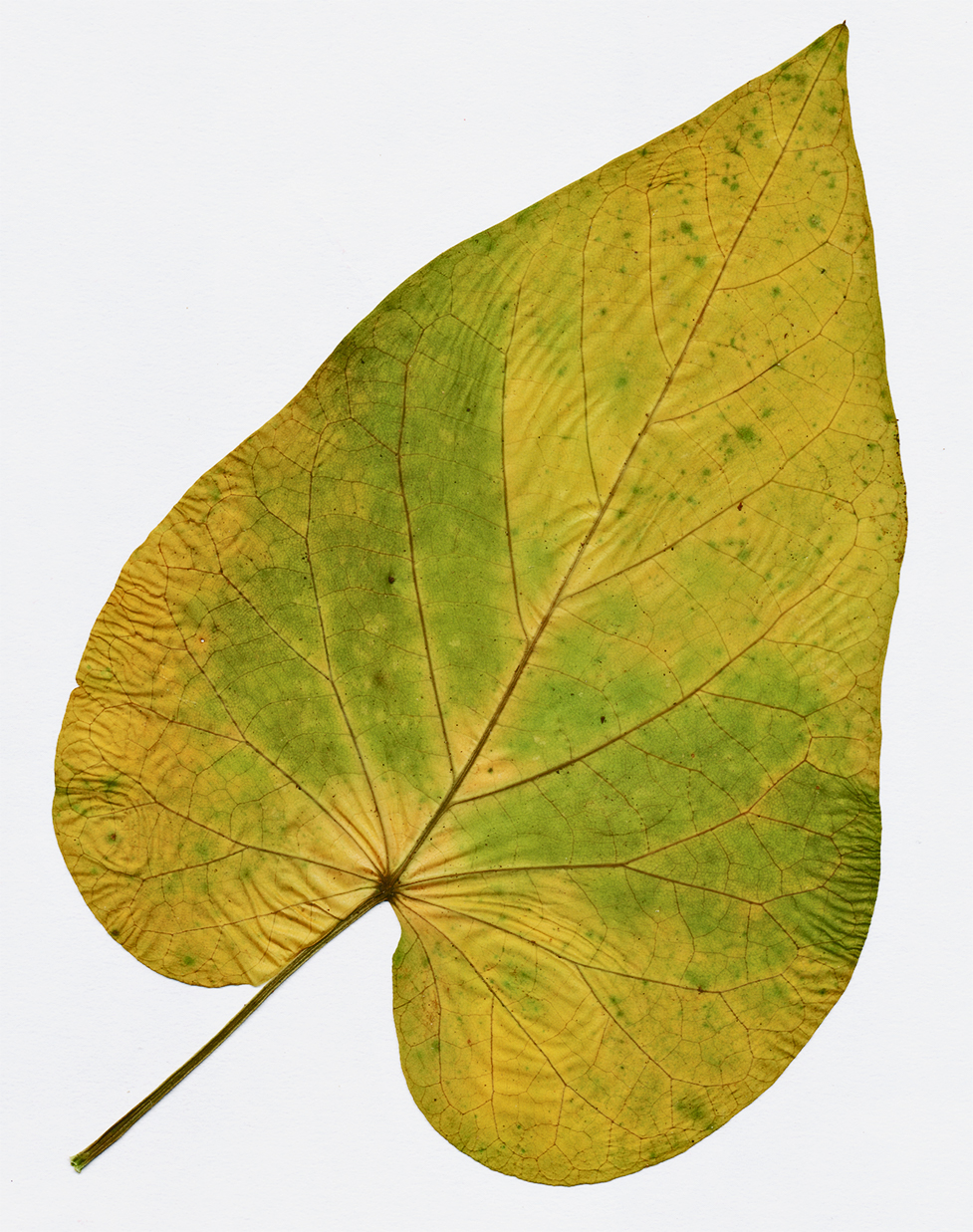
Twenty-Sixth Day of December
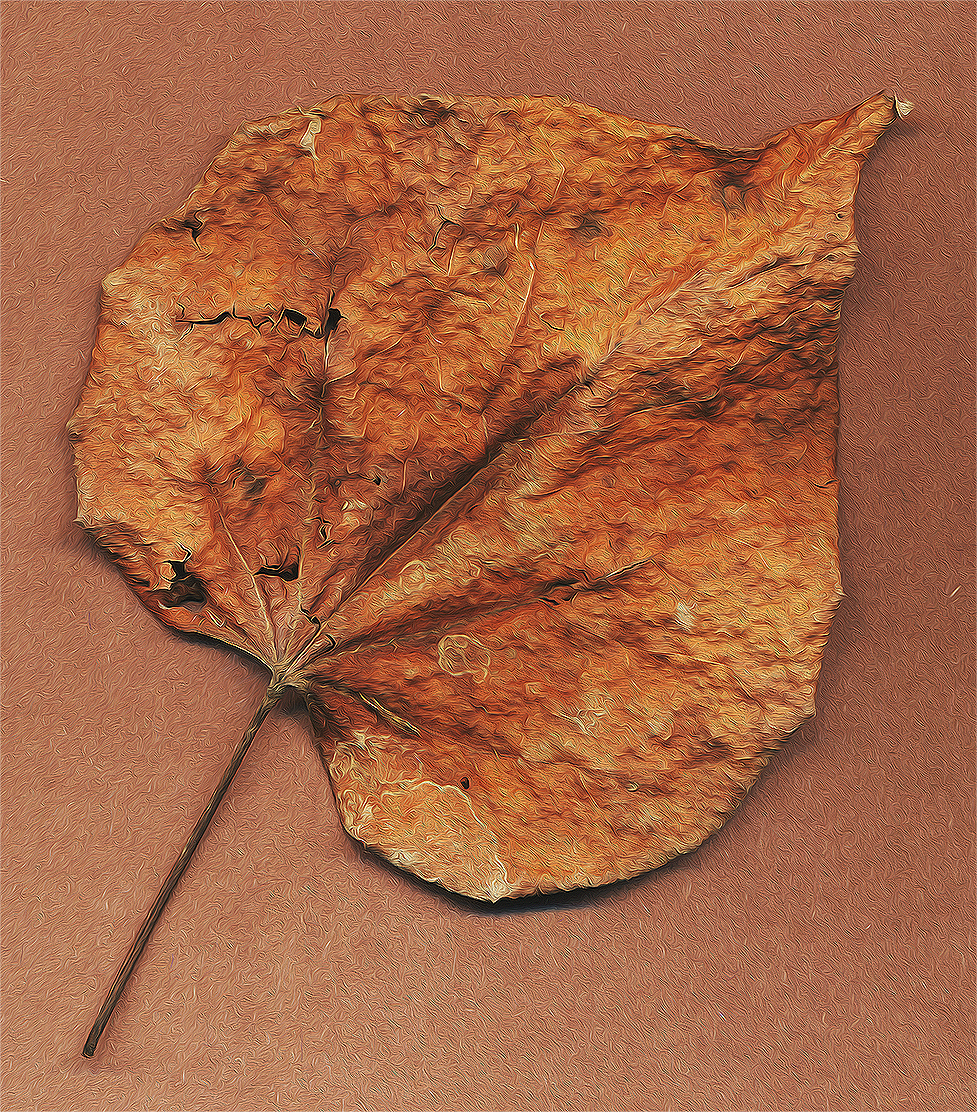
Twenty-Fifth Day of December
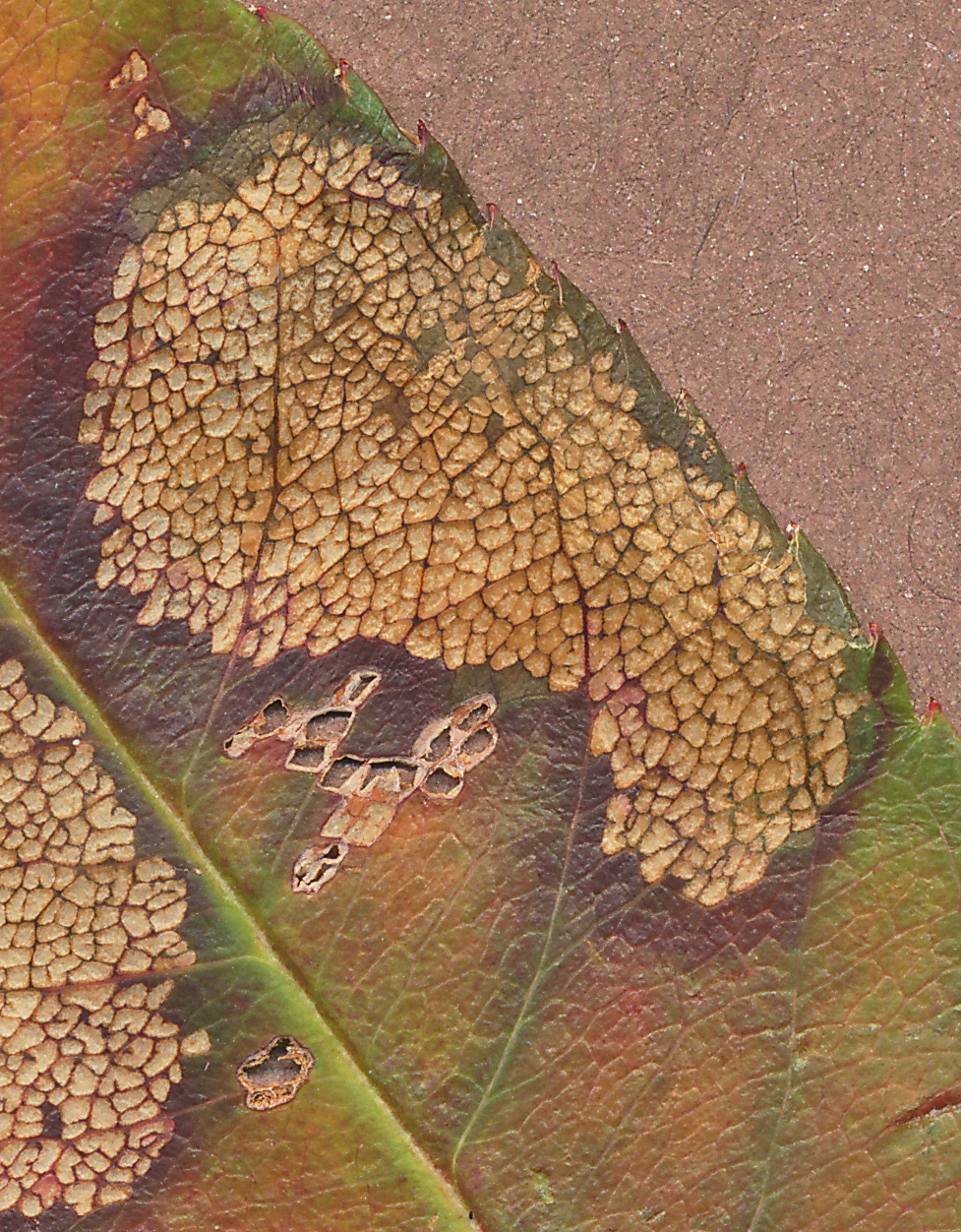
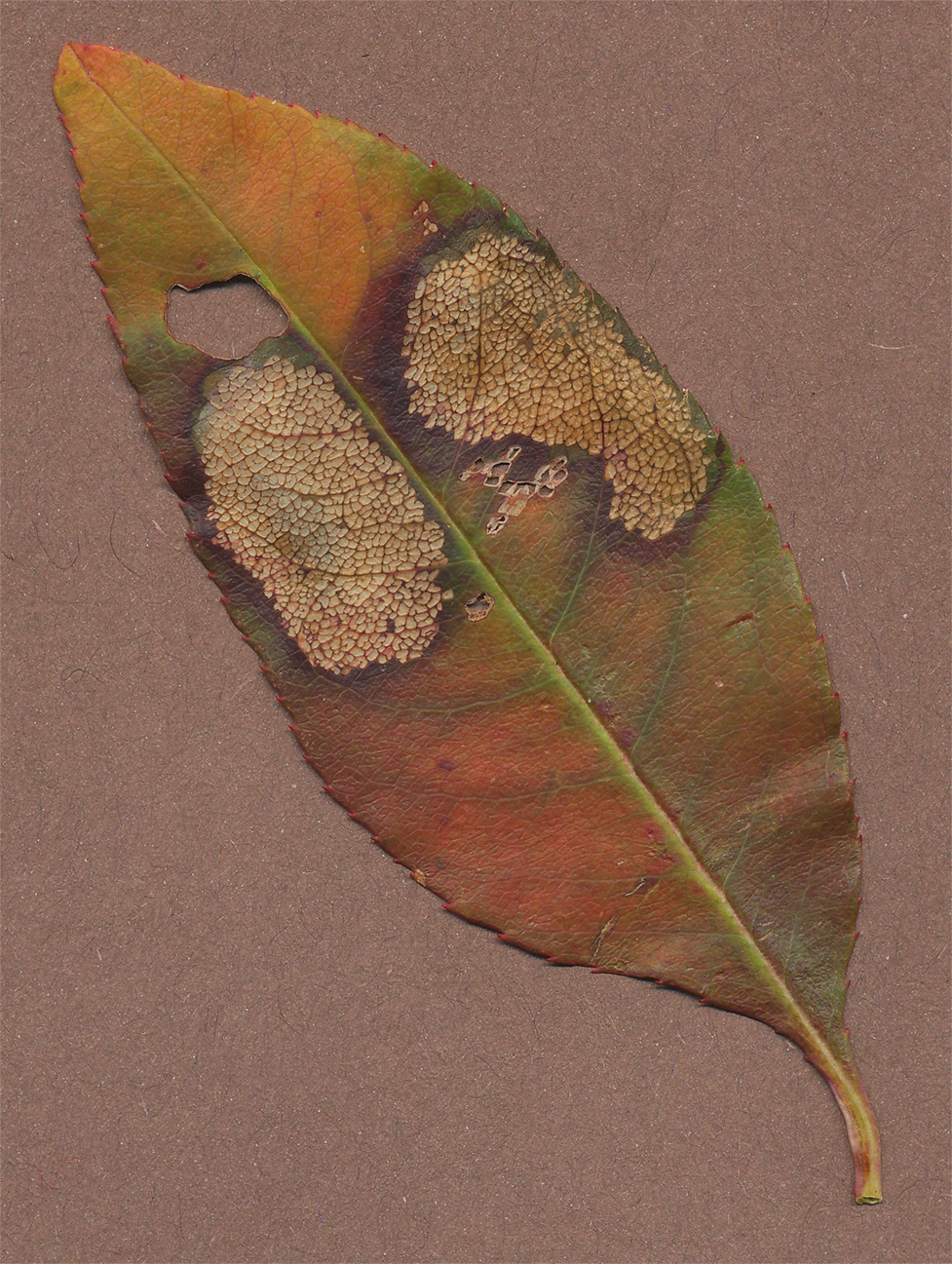
Twentieth Day of December
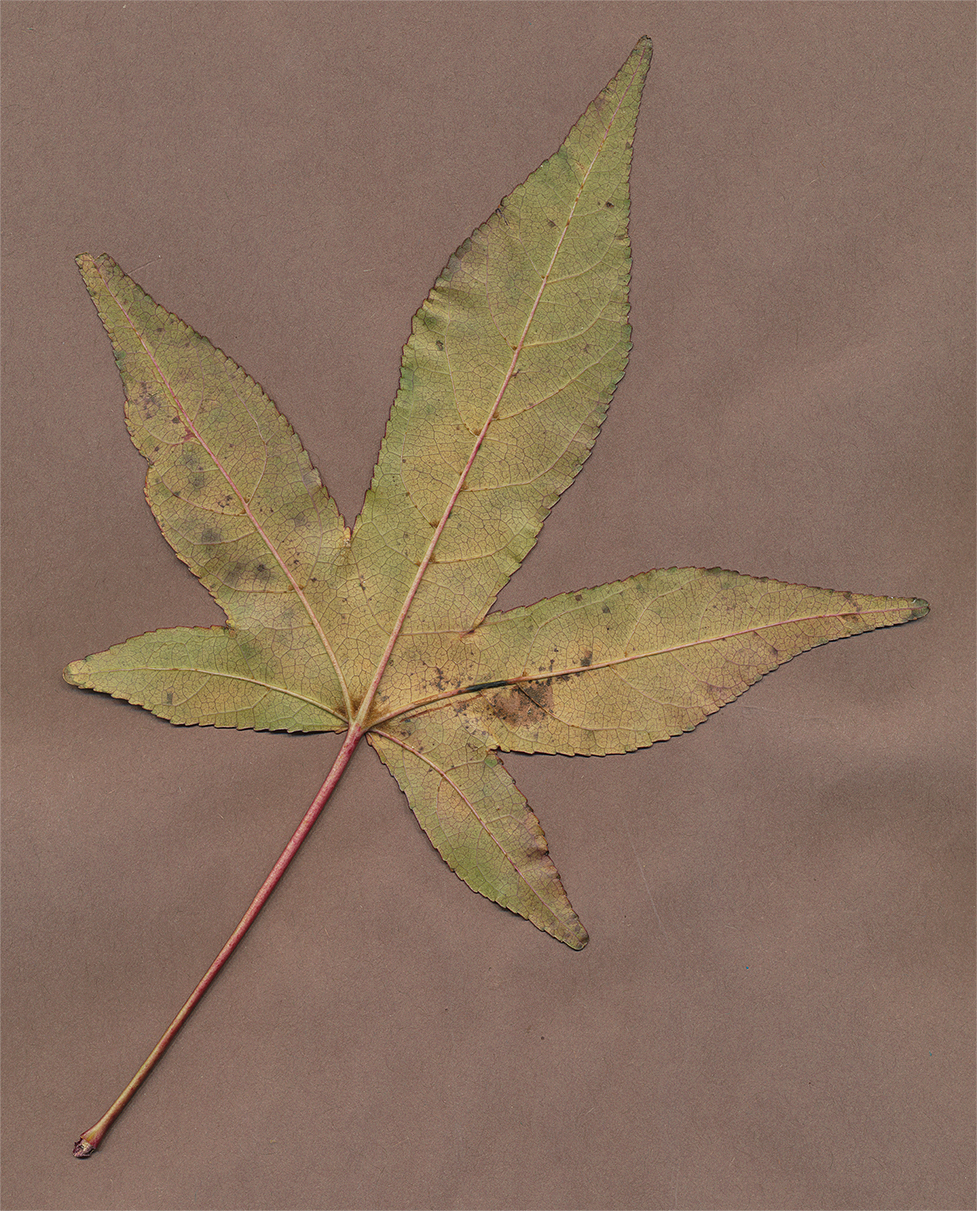

Fifteenth Day of December

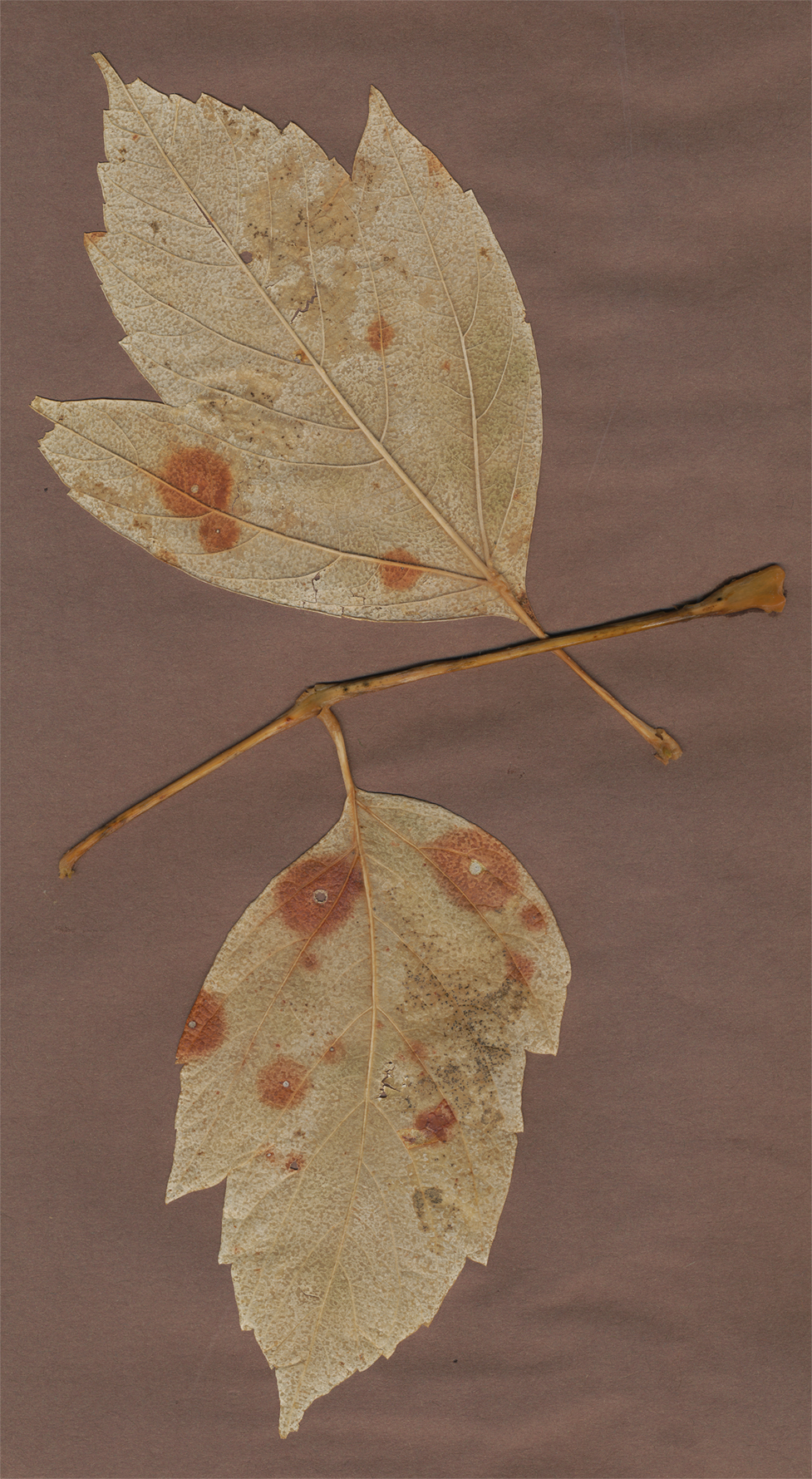
Fourteenth Day of December
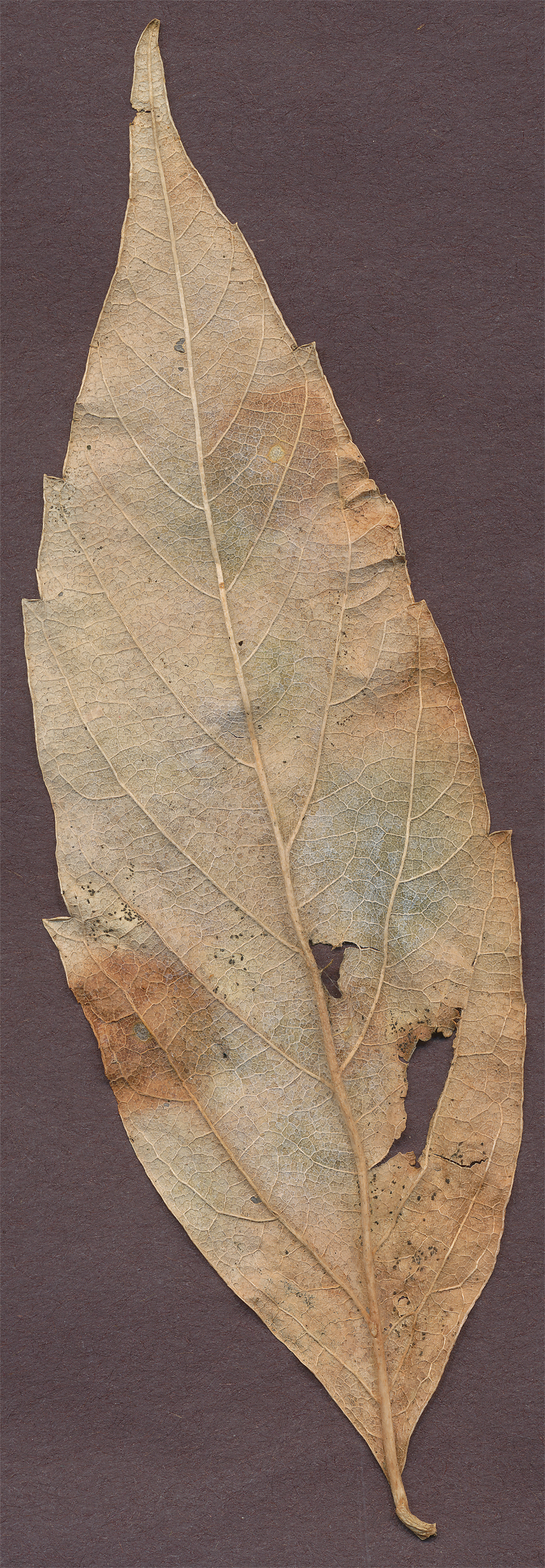
Thirteenth Day of December

Eleventh Day of December
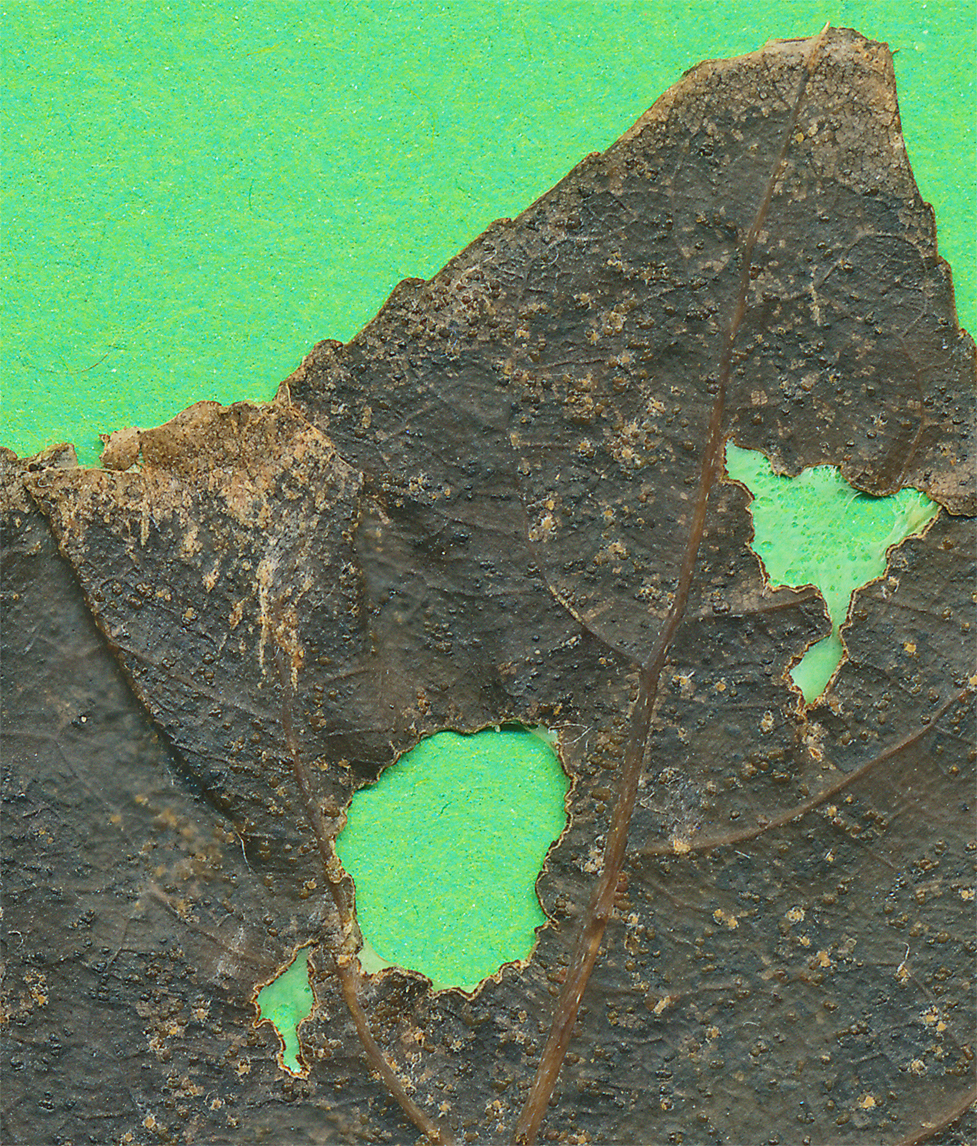
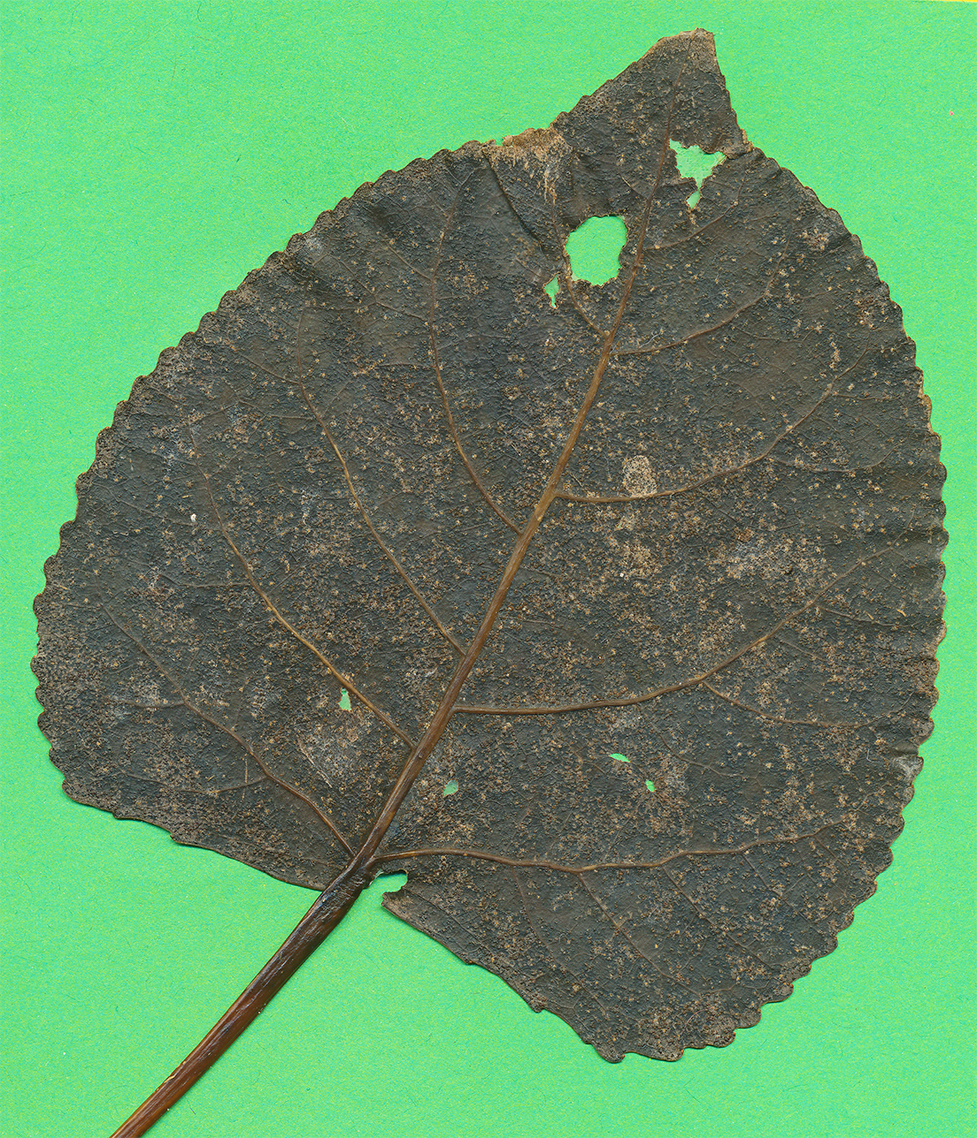
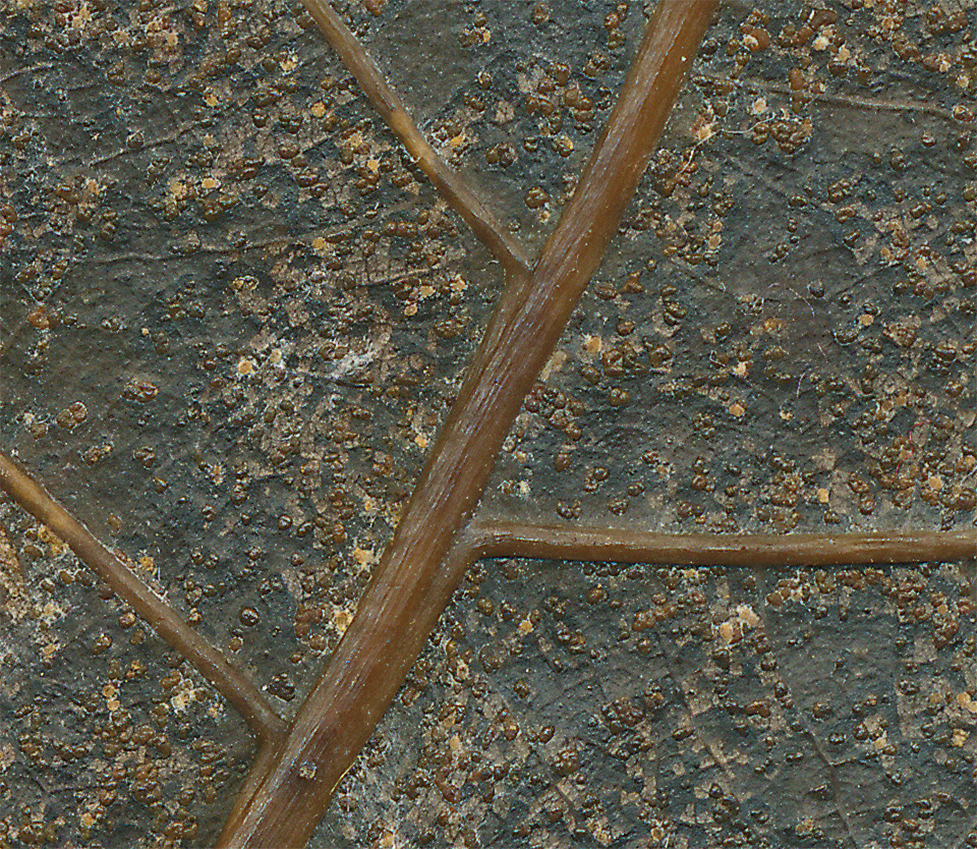
Ninth Day of December
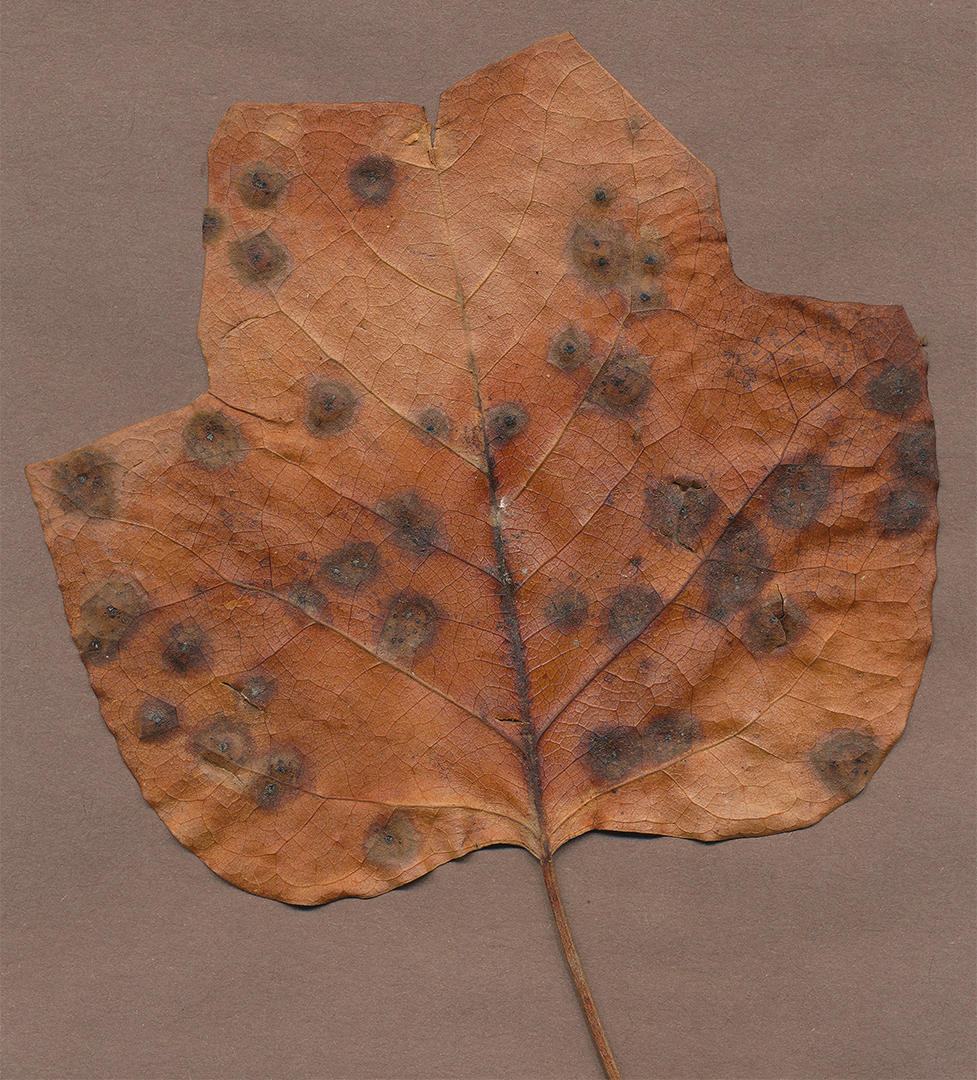

Fourth Day of December
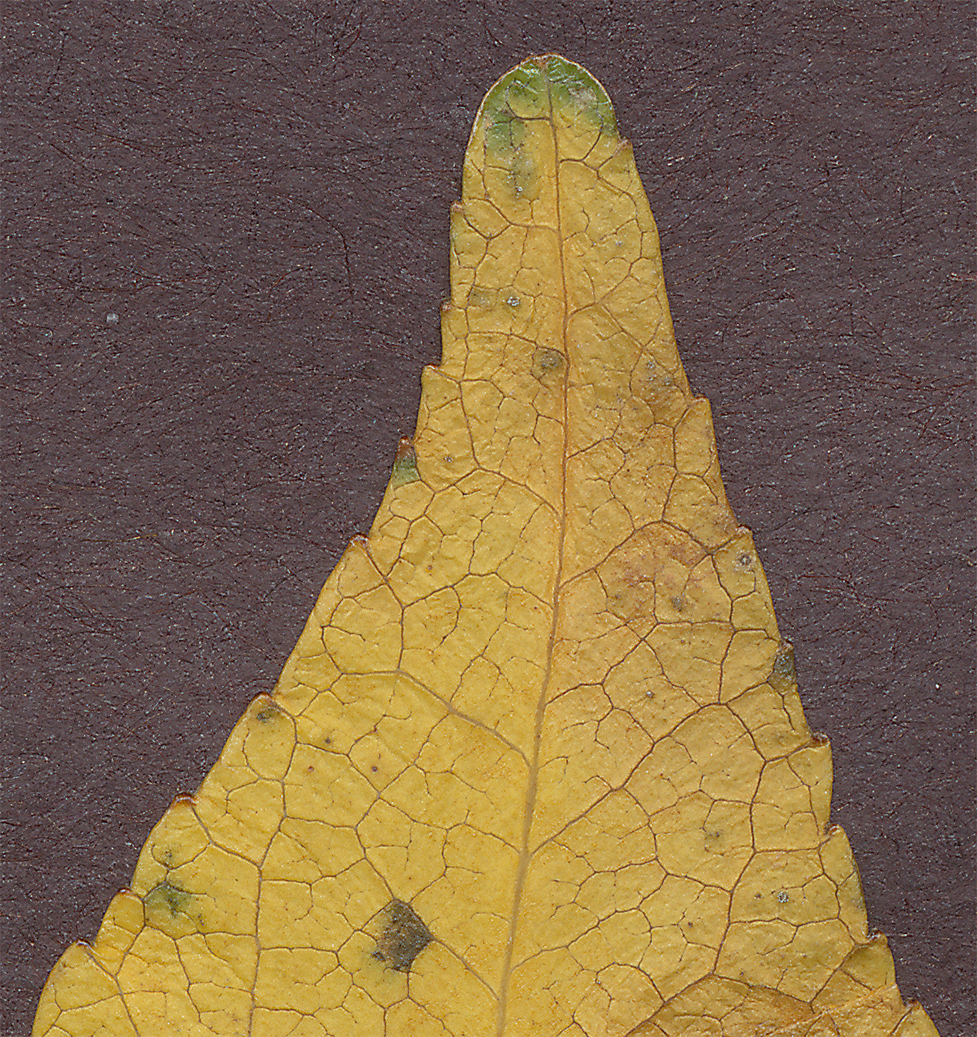

Third Day of December

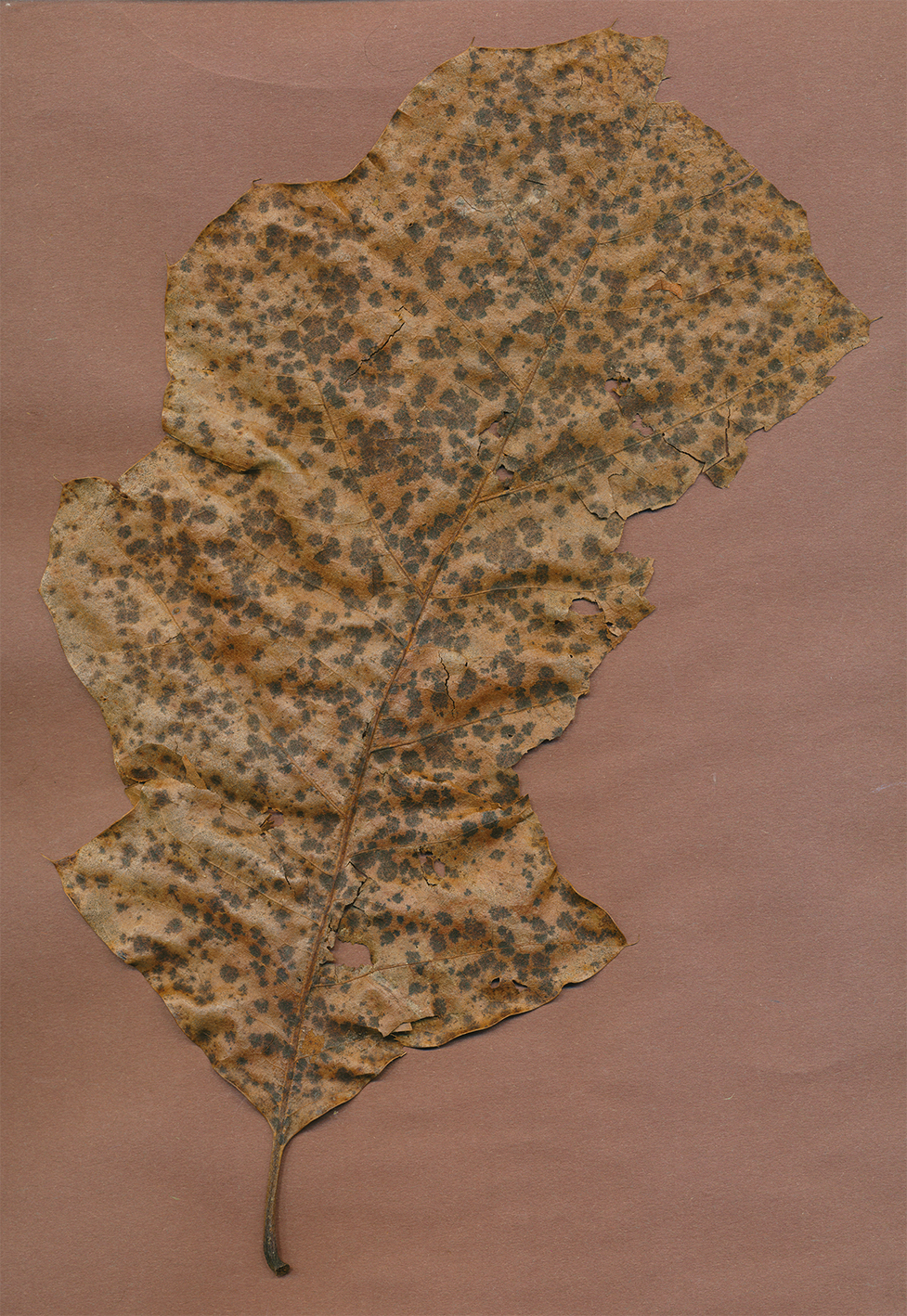
Second Day of December
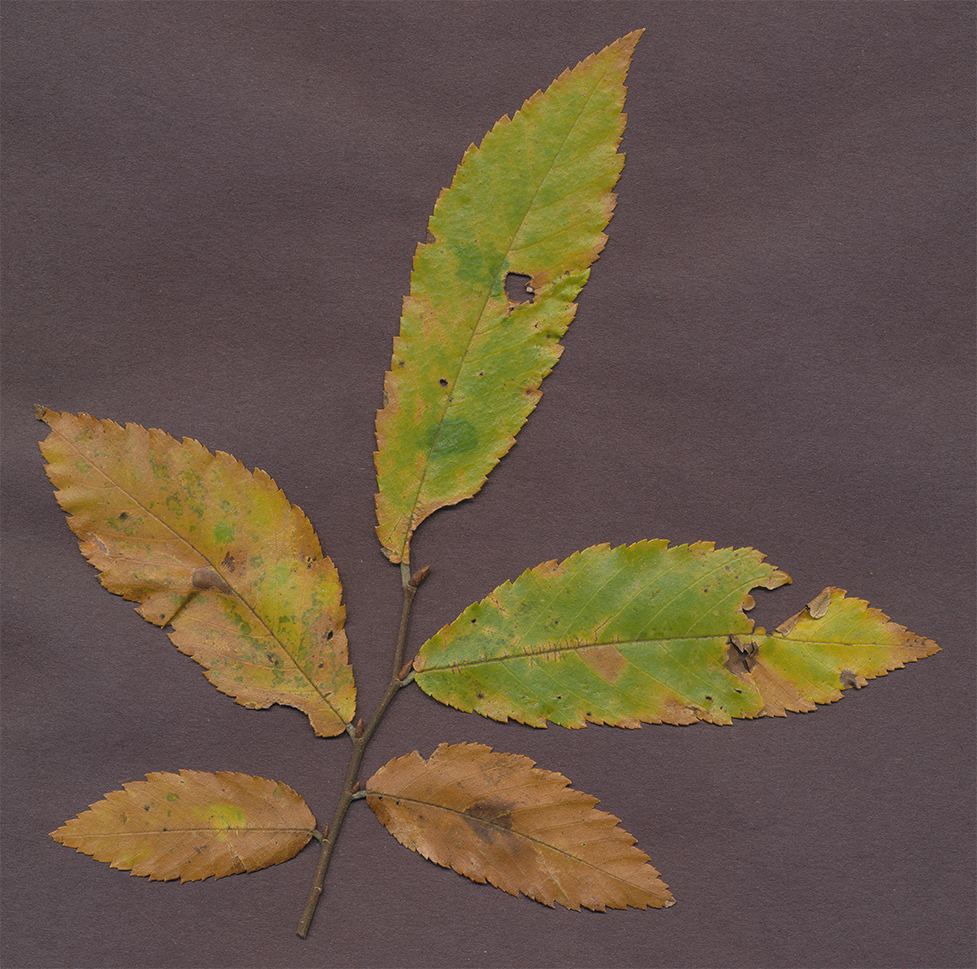
Twenty-Fifth Day of November

Twenty-Fourth Day of November

Nineteenth Day of November

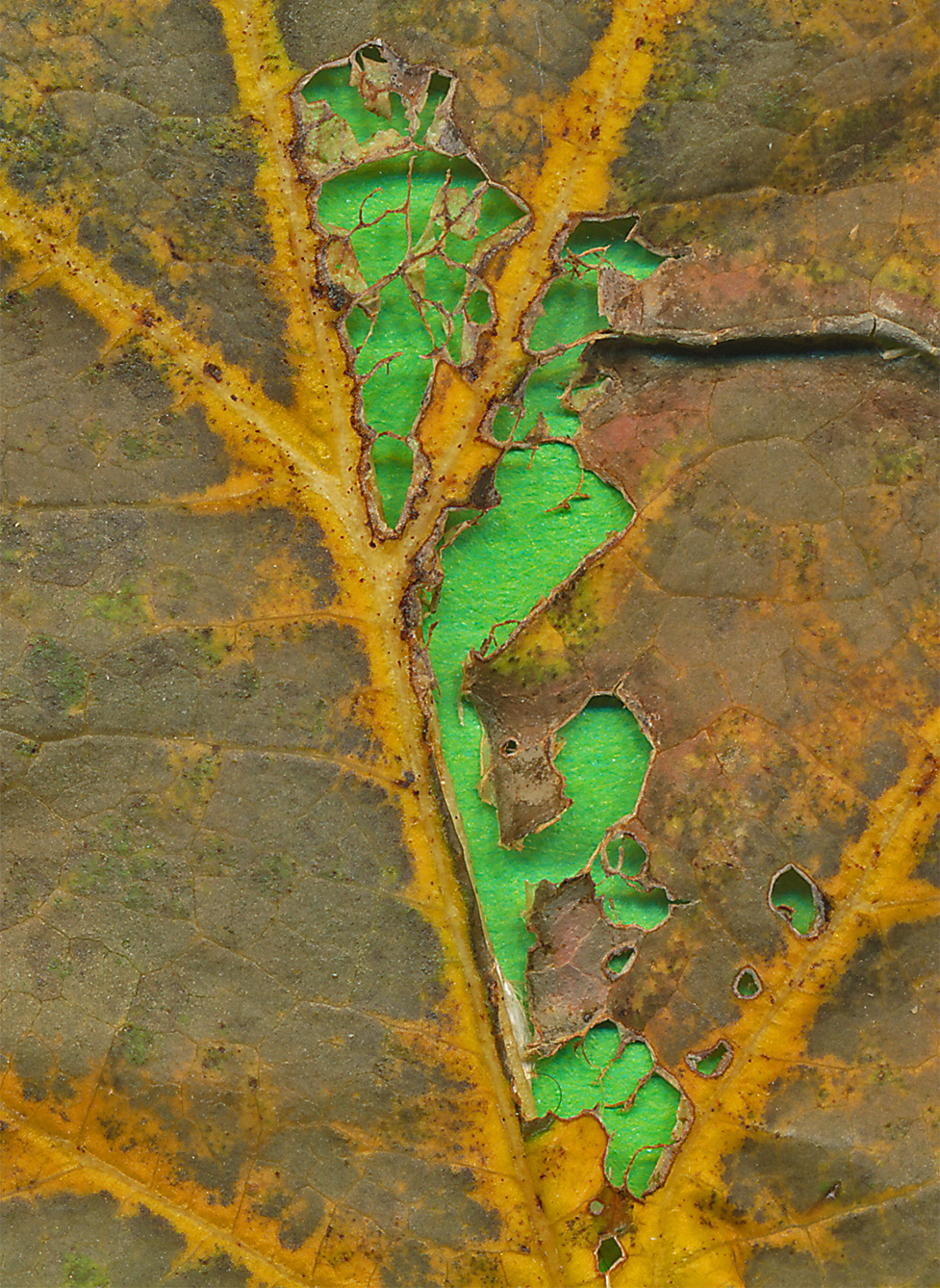
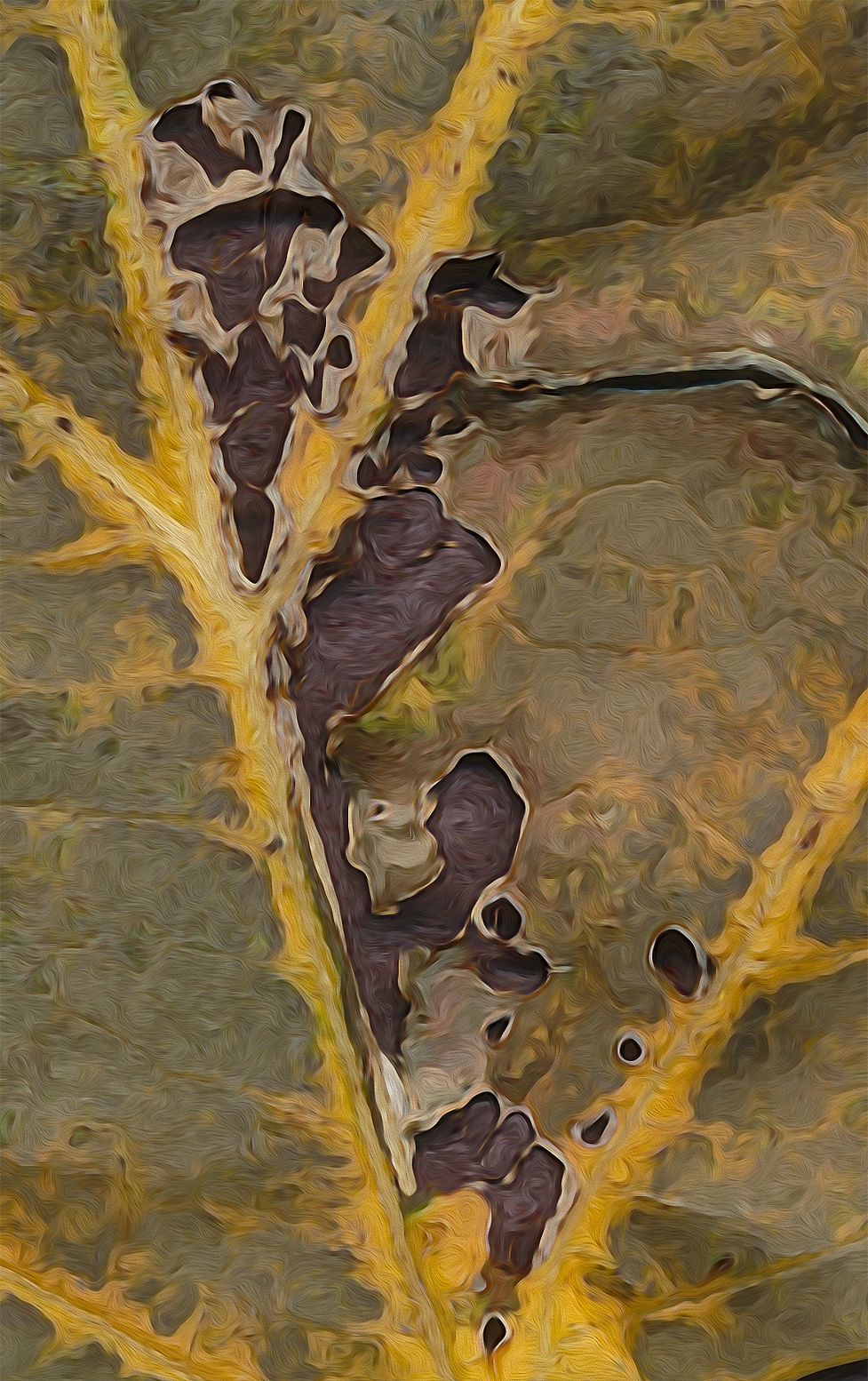
Eighteenth Day of November

“Also, as you all are aware, costs of our materials, electricity, labor and equipment are steadily rising in this current state of our economy and we must be able to keep up with our rising operating costs to keep you supplied with a safe, potable water supply.”
Seventeenth Day of November




Sixteenth Day of November
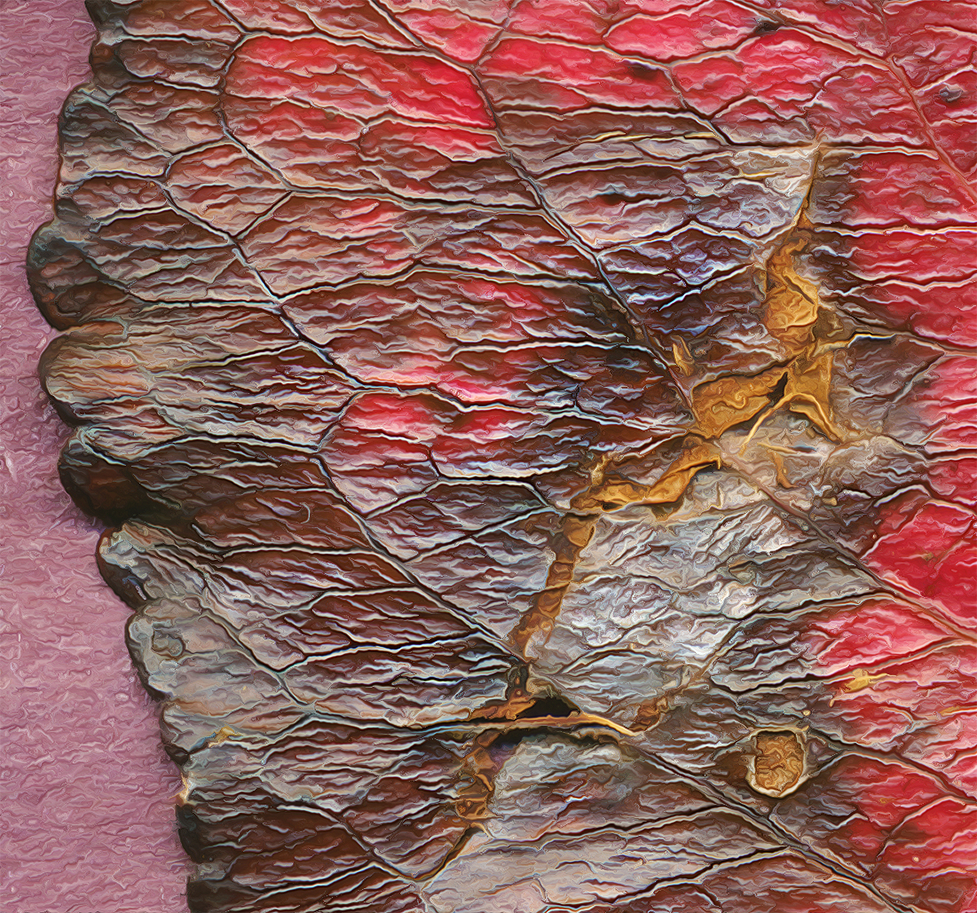

Fifteenth Day of November
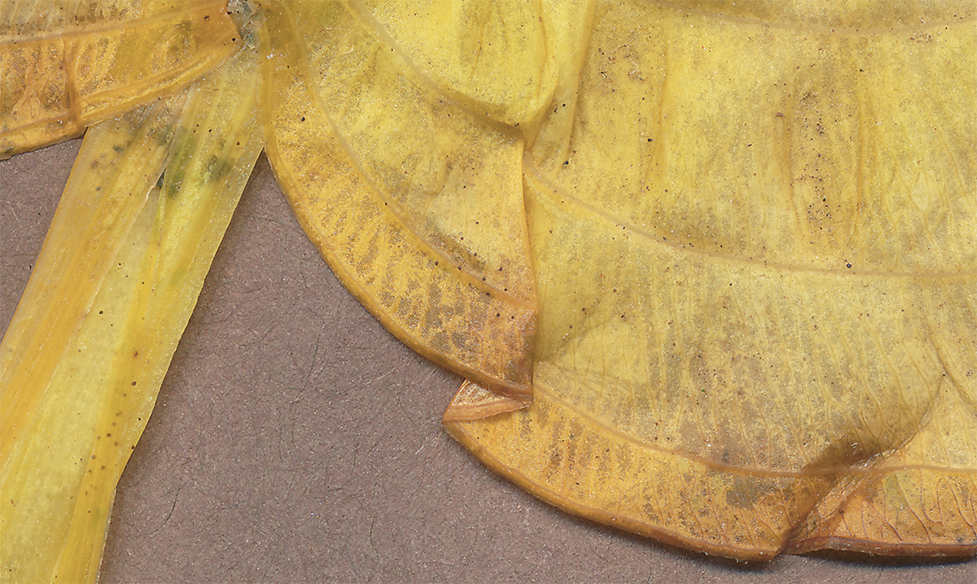

Thirteenth Day of November


Twelfth Day of November



The day begins
with opium, chicory coffee,
bread and orange marmalade,
marijuana, chocolate,
and sparkling water from the mountains.
Eleventh Day of November
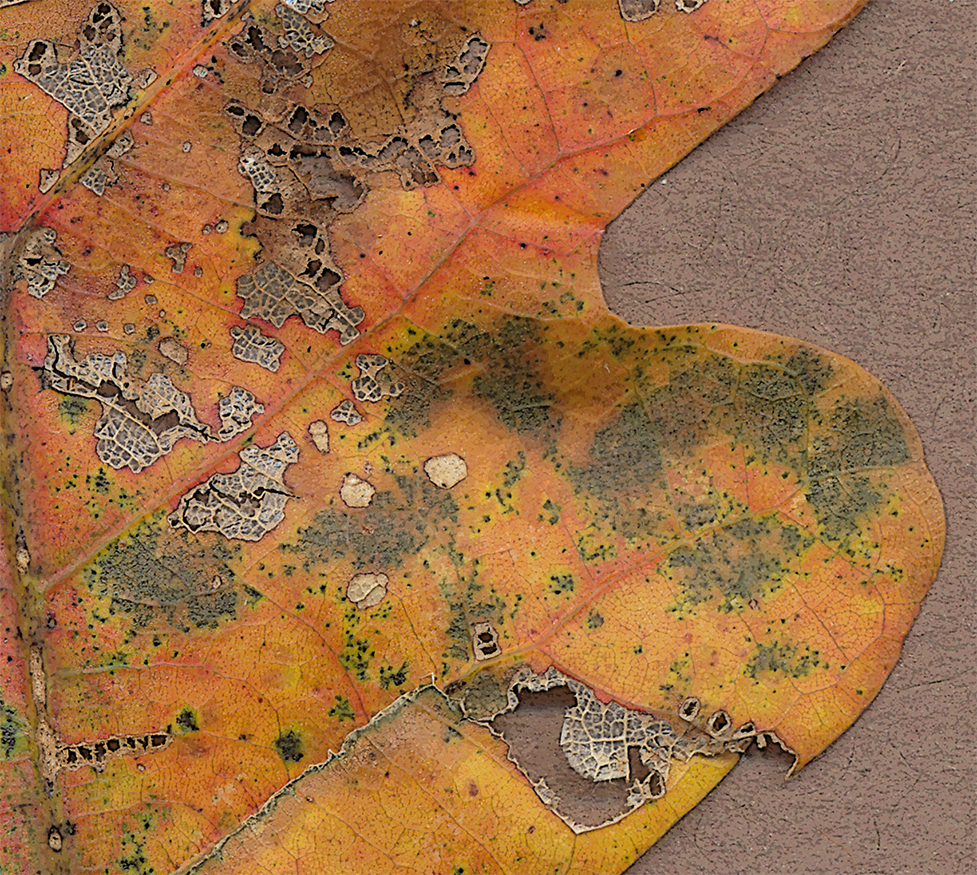

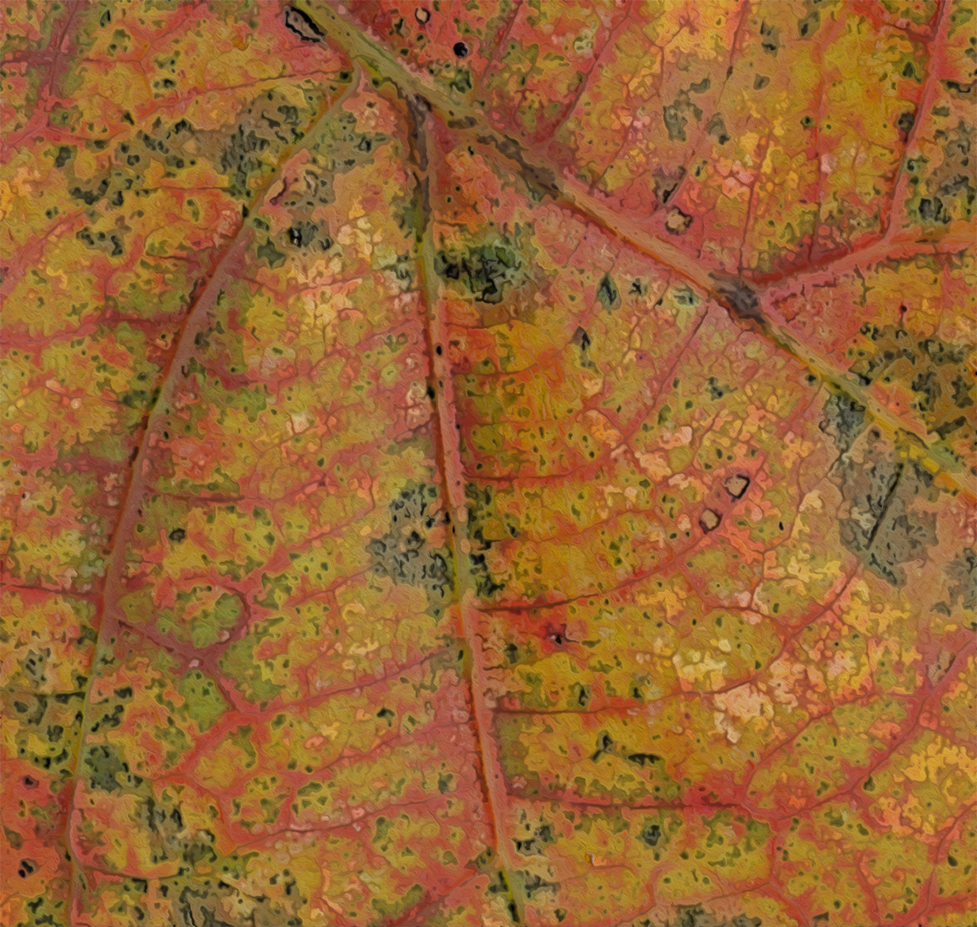
Tenth Day of November

Ninth Day of November

Eighth Day of November


Fifth Day of November
Remember, remember !
The 5th of November,
The Gunpowder Treason and Plot ;
There is no reason
Why the Gunpowder treason
Should ever be forgot !

Remember, be wary !
Of 6 January,
The Trumpian Treason and Plot ;
There is no reason
Why the Trumpian treason
Should ever be forgot !
Third Day of November

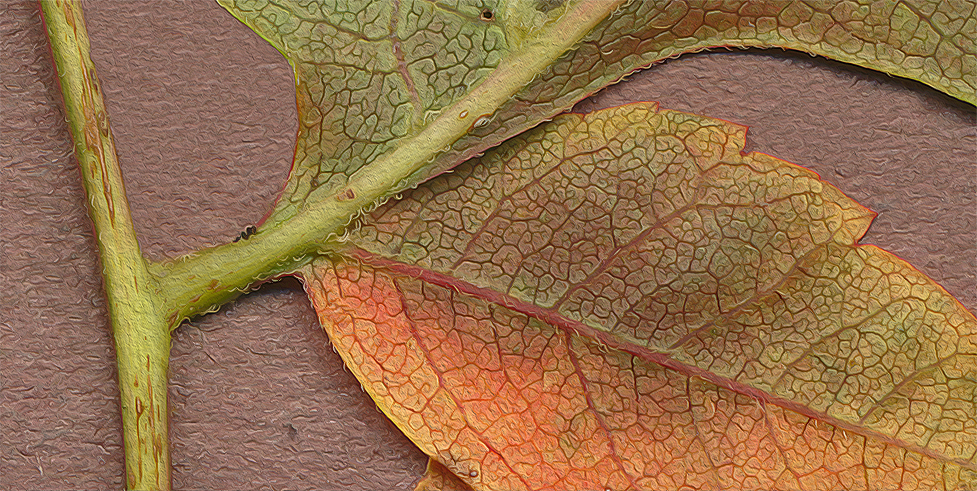
Second Day of November
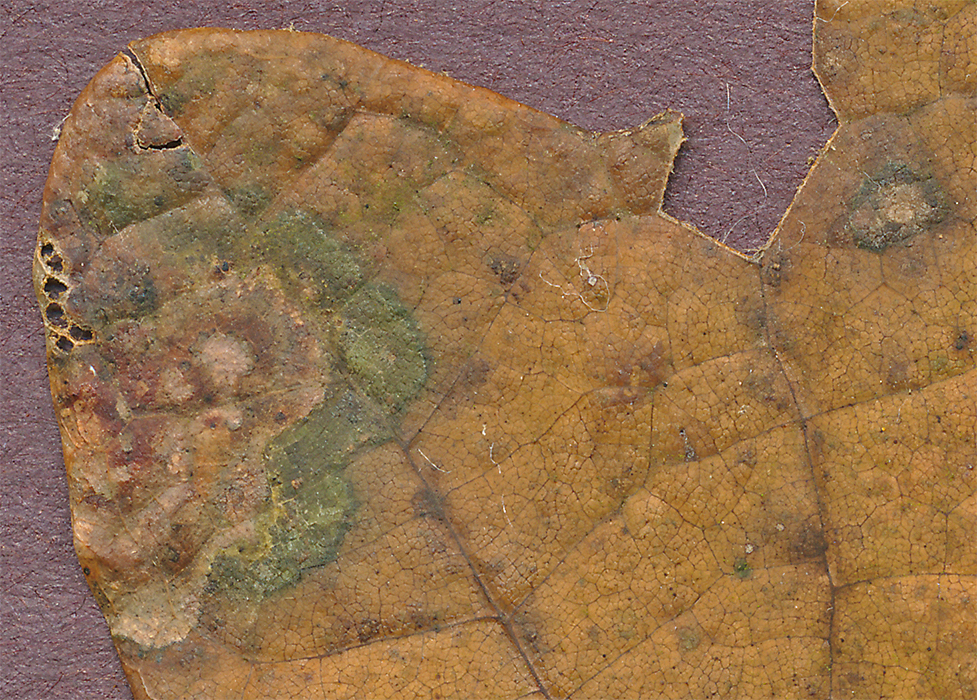

First Day of November
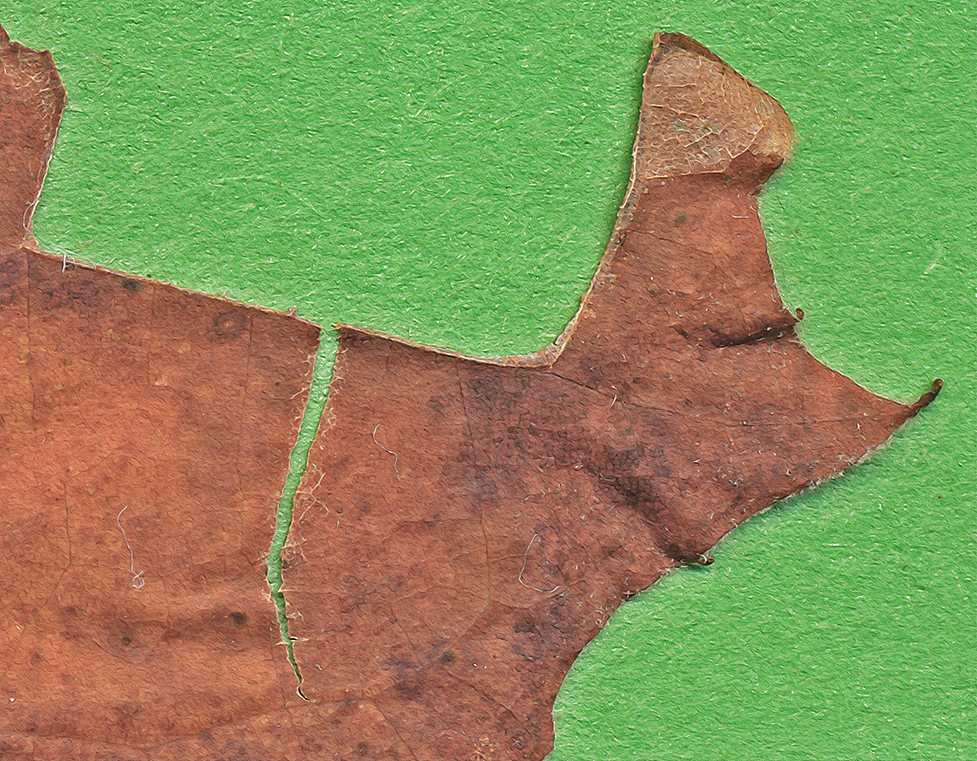
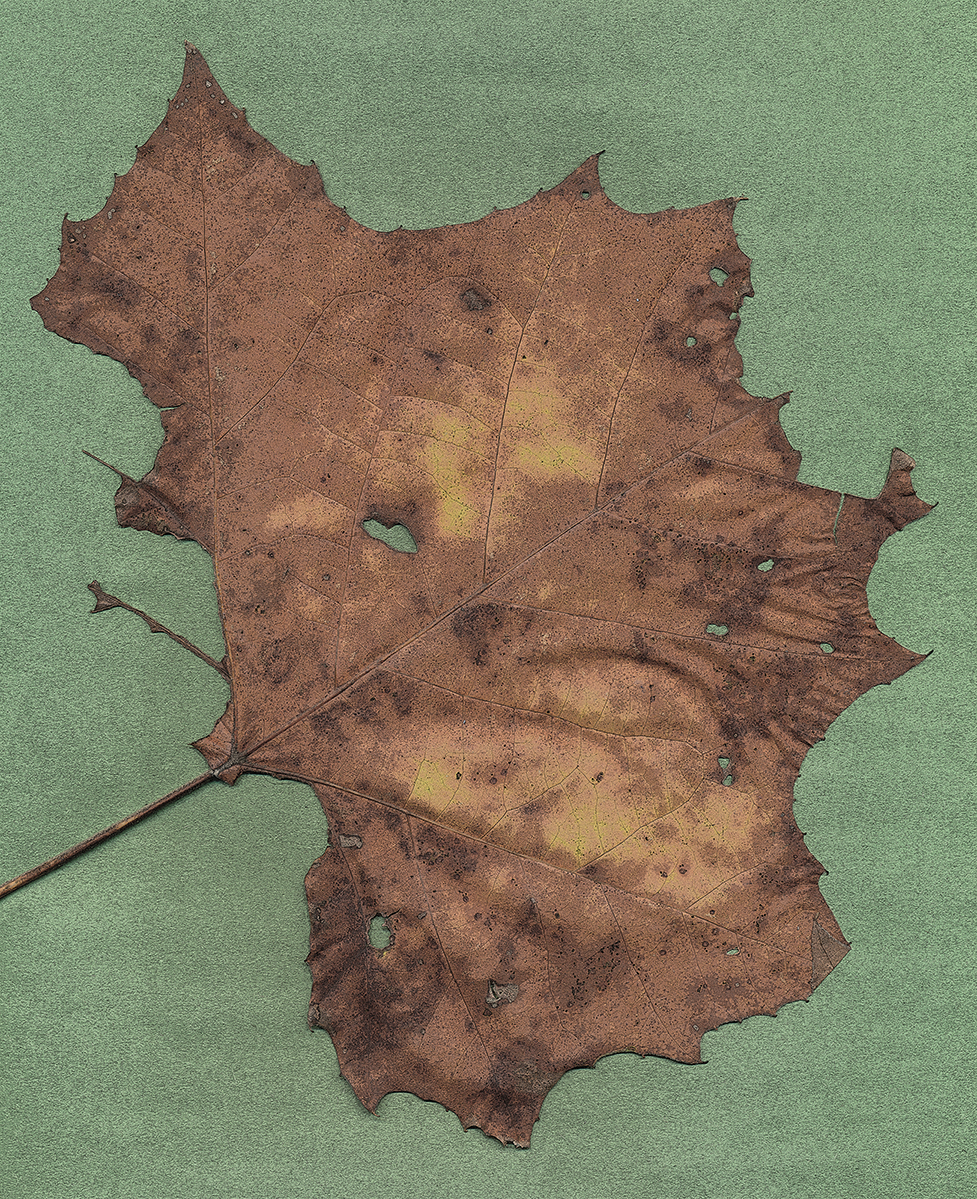
Twenty-Ninth Day of October

Twenty-Eighth Day of October

Twenty-Seventh Day of October
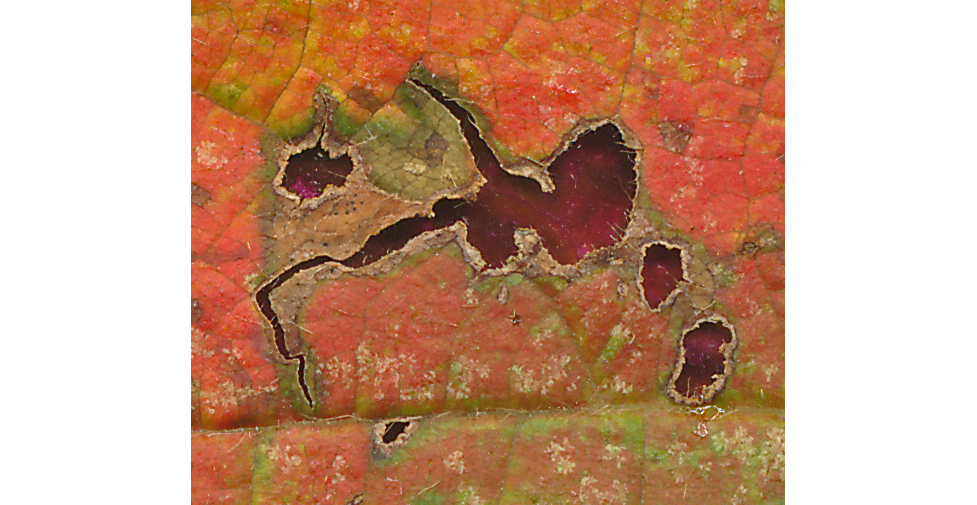


Twenty-Fifth Day of October

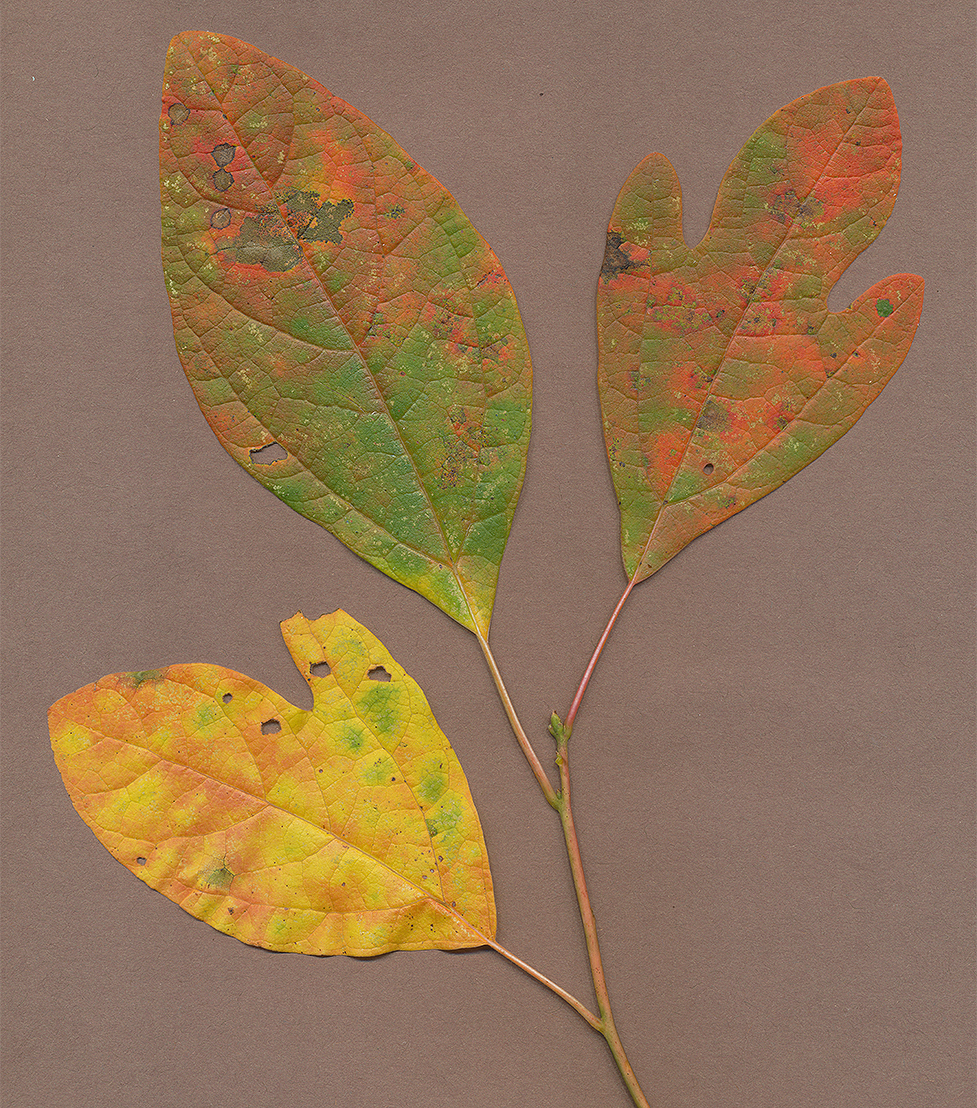
Twenty-Fourth Day of October

Twenty-First Day of October



Twentieth Day of October
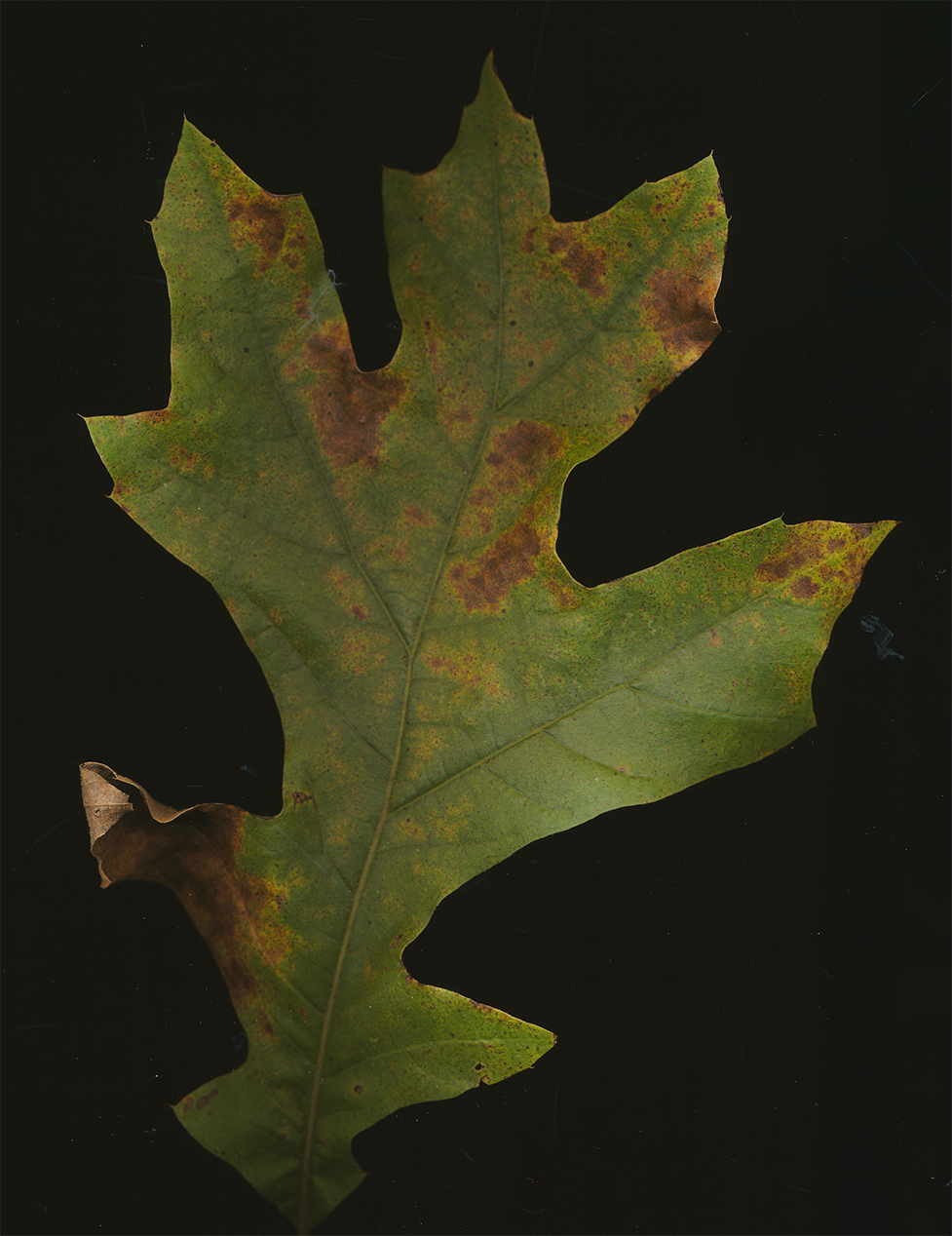
Fifteenth Day of October
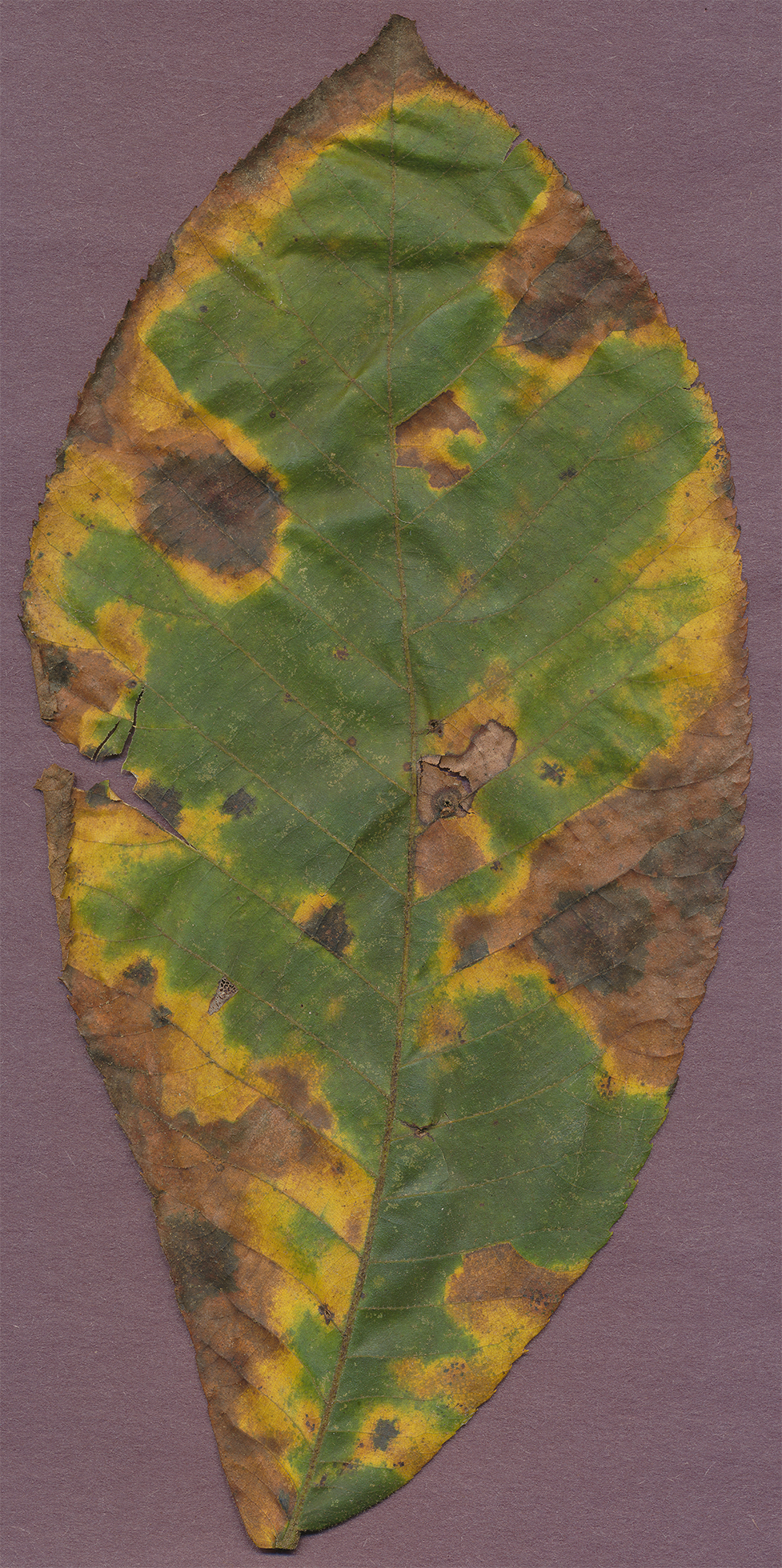
Fourteeth Day of October

Twenty-Fourth Day of September

Eighteenth Day of September

Tenth Day of September

Thirteenth Day of June

Ninth Day of June

Fourth Day of May

Twenty-Third Day of February



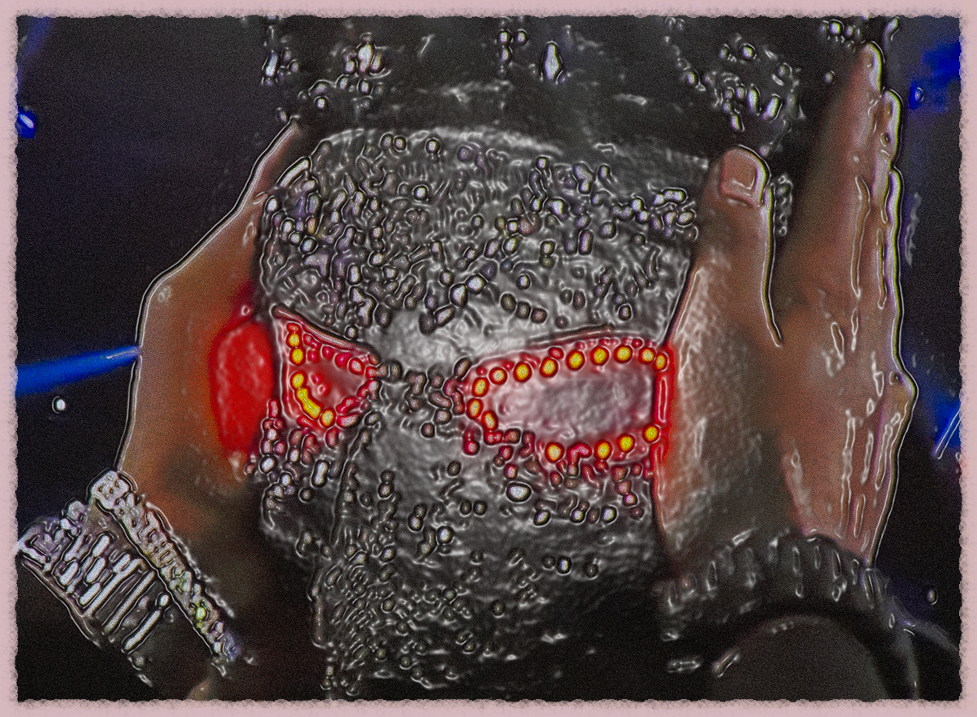



Twenty-First Day of February
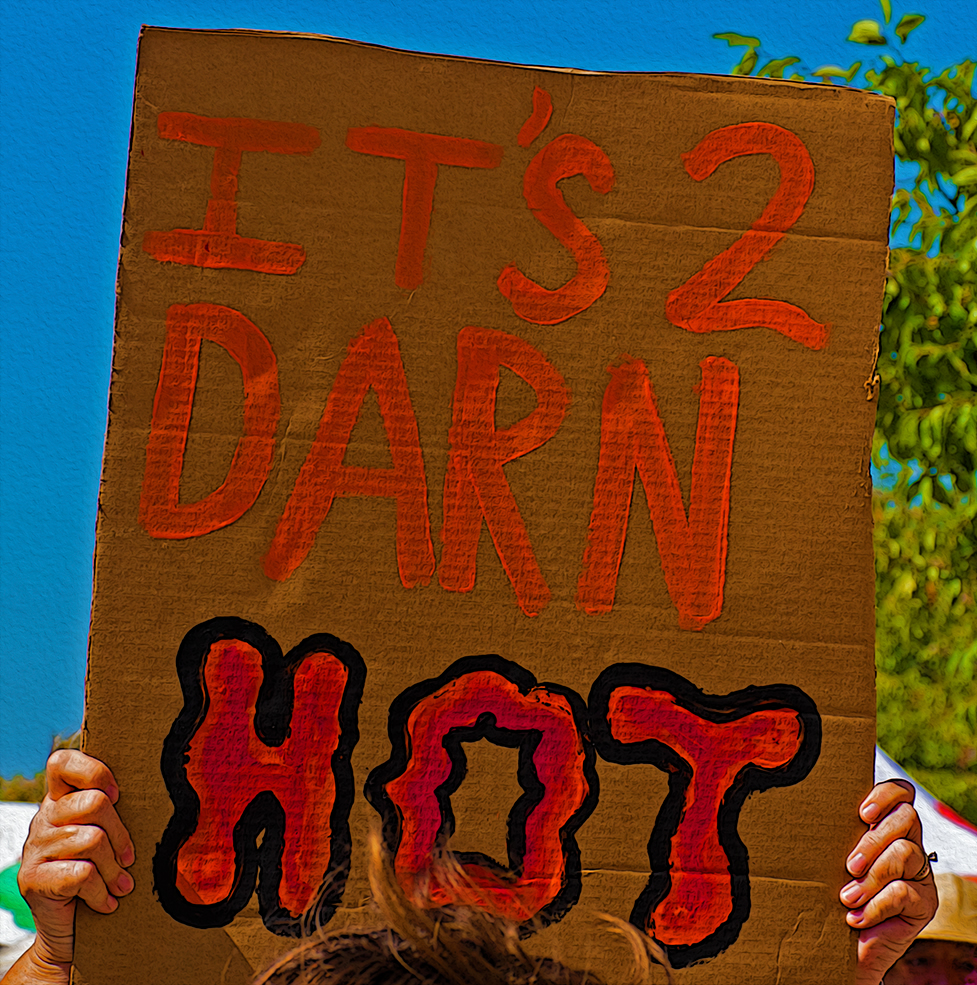
Into the Anthropocene
Climate Strike March in Fayetteville, Arkansas | 27 September 2019
Image by Ebenezer
... and Getting Hotter
Is it hot enough in your neighborhood today? Do you suppose the heat is natural, or is it manufactured by humankind? Is the sky falling, or are we actually doomed? Did you notice the rock on that left hand, the one (stage right) clutching the sign above? Seven thousand, two hundred and eighty degrees Fahrenheit is the melting point of diamond. So, diamonds are not forever. I am. Eternal life. Guaranteed. How about yours?
Fifth Day of February

Former World Champion | Son of a Legend
Rappahannock County High School, Virginia | 10 December 2016
Forever the Limelight
Once ago his very name inspired fans by the tens of thousands to flock to arenas. He wrestled as a renowned and respected champion in Madison Square Garden. For him they came to cheer. He played by the rules, wrought through oral tradition by a mysterious cadre of showmen, stalwarts, and brawlers. And he stayed the course — all the way to this very evening in the backwoods of Virginia. There under the harsh flourescence of a high school gymnasium, the grand old champion performs once again, the limelight of The Garden a distant memory. And he soldiers on.
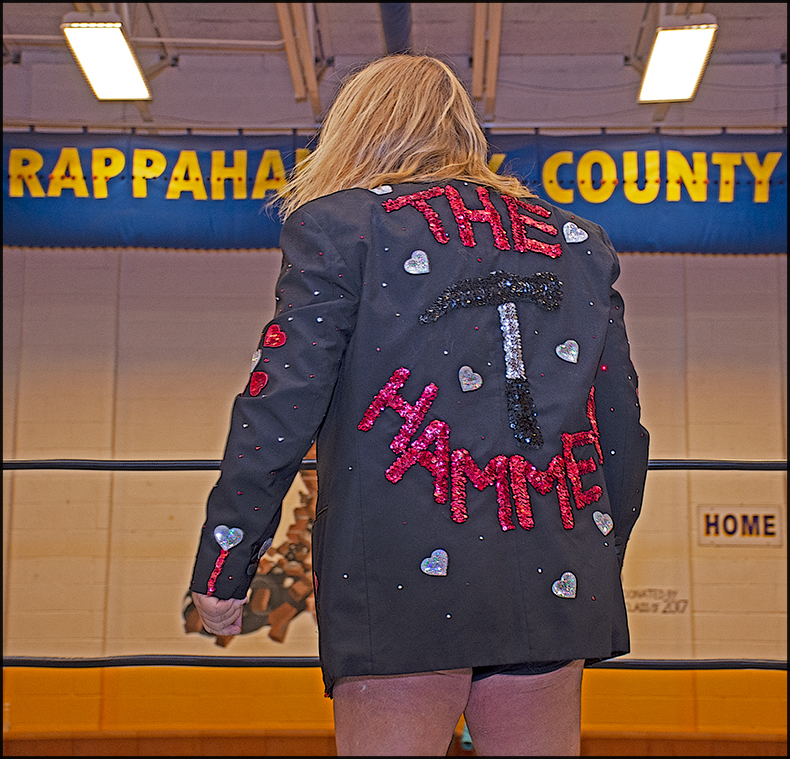
2019


Fourth Day of December

Eighteenth Day of April

Spring Beauty | Claytonia virginica
3 Dog Acres, Rural Ozark Highlands | 14 April 2019
Child of the Sun
“The Spring Beauty is a child of the sun and closes in cloudy weather,” Alice Lounsberry wrote in A Guide to the Wild Flowers (1899). “As we recall it to the mind we connect with it a shrinking type of loveliness.”
Delicate children of early spring, stretching not more than two centimeters from one petal tip to another, the Spring Beauties of 3 Dog Acres bloom abundantly in the gardens just now, gracing the greening earth with splashes of white and veiny traces of purple. Scattered amongst them is a cadre of four-petalled wild violets. Together the complimentary species drift and sway to create a magnificent expression of the season.
We stepped outside with our Staedtler Mars ruler in hand, hoping to take a measurement, but clouds lingered after the arrival of last night's cold front and attendant rainstorm. We found the slender wild things nestling into tight spheres and drooping like the dogtooth toward the damp ground. No matter. We like to think of ourselves as poets and minstrels, not scientists. Measurements of diameter and reach can wait. Let us guess with confidence.
The Third Day
Mrs. Lounsberry tells us in her delightful survey of late nineteenth century wild flowers that the bloom time of each Spring Beauty lasts just three days. Three days.…
One of our neighbors has painted “Third Day Transport” on the doors of his two big trucks, likely an allusion to his faith, but I'm dubious about intent, given the neighbor's propensity to slay giant oaks and hickories before their time. The great trunks lie scattered like chi-chi sticks here 'n there on the barren, rocky soil of his yard. What might they portend?
A citizen must make a living, I suppose — even the destroyers. Nonetheless, folk who wear their faith like an advert oft give me pause to become judgmental, a personal failing. They're prone to knock on my door and mumble warnings about sin and death. I wonder what guilt they might be masking.
At What Price?
Everywhere, at every turn out there in this land of rapacious growth, I spy, forlornly, evidence of the destroyers, hard at work with saw and bucket, ripping up the natural realm to make space for new dwellings, new businesses, new sterile landscapes.
The Third Day alludes to a resurrection, which follows death and descent — and leads to shouts of hallelujah. Those sweet little Spring Beauties, children of Helios and Dawn, seemingly dead and gone for three successive seasons, awake from their long and mysterious slumber. They arise to greet us in the sunshine and herald the end of winter's frosty rule.


A Trio of Starry Ephemerals
3 Dog Acres, Rural Ozark Highlands | 14 April 2019
Fourteenth Day of April

Persian Lilac Buds and a Blossom Made Large
3 Dog Acres, Rural Ozark Highlands | 12 April 2019
Quatrefoil
North, south, east, west … air, fire, water, earth … the Four Quartets of the poet and the piano man, Eliot and Tyner — we are struck tonight by foursquare imagery instead of the five fingers of the starry pentagram, our usual favored archetype. This matters not — because no one is listening, because no one has figured out the precise meaning of a + bi + cj + dk, and because no one knows how to extract the aroma of the lilac from the screen, where she's embedded in pixels and canna get out.
Tenth Day of April

Deep Roots, Speckles of Pollen
3 Dog Acres, Rural Ozark Highlands | 10 April 2019
Pansy
Striking color displays the cultivar, whose nursery name I canna recall. She's not “native,” so I'm sure she's gotta be an invading alien. Nonetheless, this pansy's roots go deep, having met the earth late last autumn. How deep reach your roots? How rabidly do you despise the not-native?
Eighteenth Day of February

Servant of the People
Manhattan, New York City | 11 December 2016
Vanishing Identity
On the verge — every day, every night — of giving up.… What? The quest for relevance. The desire to communicate. The ghost.
That would be here — on the lonely page, shimmering on a scroll, not the thing but the action, not the roll of parchment decorated with symbols made of ink but the rolling, up 'n down, of organized electric squares, commanded by a finger and prompted by a mind.
Odd, isn't it? You become so obscure that you disappear. Nothing you create sparks interest or engagement by OTHERS — even though your creations are out here for anyone to see, anyone to devour.
O me, O my, not even the Wizard can fix this case of vanishing identity. I like the Wizard, [who is] the Validator.
Didn't give up, though. Not yet. Not tonight. Unbroken, the mirror works for now. How long? How much longer? [It's all about rhythm. Rhythm.]
Thirty-First Day of January

Something Old, Something New
Manhattan from the East River | 25 January 2017

It's lonely out here.
Drop me a line sometime.
Expect a prompt and courteous reply.
ebenezer@corndancer.com
Fourteenth Day of January

Grim Reaper at The Botanica La Santa Muerte
Fort Worth, Texas | 1 April 2016
Wet Winter. Wet Hounds.
The rain, falling furiously at first and then slowing, steadily over time, into a diminishing mist, began early Friday morning and didn't fade away for good until sunset on Saturday. One and three-quarters of an inch gathered in the gauge affixed to the work table outside Corvus Studio. The weather guessers on TV predicted snow but it never came.
Shepherds Ulysses and Garbo were soaked to the skin on Friday but seemed not to mind. Whenever it rains, human and dogs eagerly embrace the drying-off ritual, human because the hounds become soft and fluffy, and hounds because the repetitive application of warm towel to wet fur feels good. They are lucky dogs, ever loving and obedient most of the time.
January in the Ozark Highlands is wet enough and cold enough to drive me indoors where I can reflect and plan. By now, the Solstice having come and gone, I've made my peace with winter and embrace its seasonal graces. Devoting three or four hours of a gray and breezy afternoon to the outdoors invigorates the body and prepares the psyche and spirit for the mysteries and episodes of the long night ahead.
Afternoons are best for me. In the morning I move slowly, groan and moan while I build the fire, and step-by-step ease myself into the day. But once the old bones are lubricated, the weary muscles stretched, and the inner fire reignited, I'm ready.
So.... I tend garden beds. Split and stack firewood. Rake leaves, carry 'em to the burn barrels, set 'em ablaze. Play with the shepherds, who stand alert at the back fence to bark at deer down in the hollow. Stroll along the meandering paths of 3 Dog Acres, where I pause to study the trees and bushes, pick-up twigs that have fallen from the old oaks and hickories, listen to the winds, watch the clouds, and speculate on the weather.


Posted on 14 January 2019 at 20:27 hours Central Standard Time USA.
Eleventh Day of January

A House in Decline
Rural East Central Oklahoma | 18 March 2016
Up the Hollow on Wet Rocks.
There's something missing. Most likely a tight connection with The World Out There. Seeking a precise definition, I can't find it. It's like walking up the deep hollow on wet rocks. Way too slippery for introspection.
Start. Sputter. Stop.
Start. Sputter. Stop.
Start. Sputter. Run. Stop.
Start. Run. Stop.
Stop. Stop. Stop.
. . . .
“They say he's hearing voices, pale and ominous whispers from afar, but don't believe it. Not a word of it,” saith Oksob de Opposite, Guardian and Resident of The Opposite Loft. “It's a lie. A dirty, rotten, two-bit, Yankee lie.”
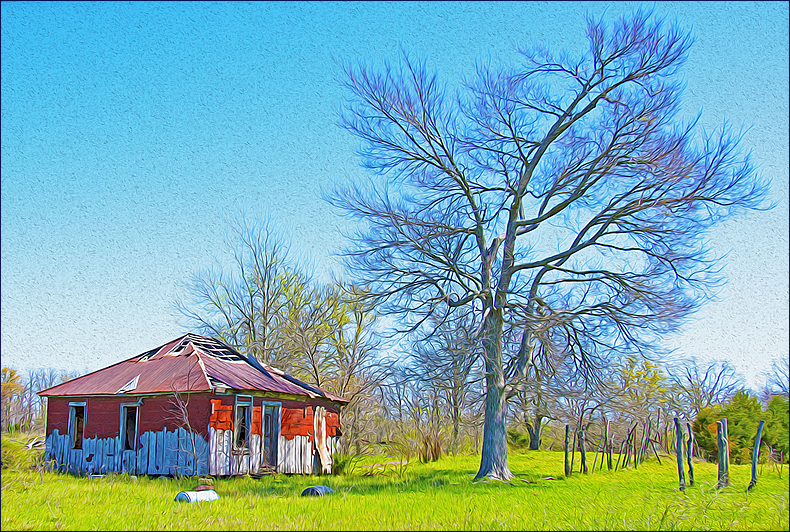
Posted on 11 January 2019 at 13:50 hours Central Standard Time USA.
Eighth Day of January

The Wrestler Grimaces in Pain
Sherman, Texas | 17 March 2016
A New Path for Power. And a Discovery
Jeremy and Richard arrived in the waning light of afternoon to survey the territory and plan the job. Richard's grip during our handshake reminded me of a steel vise — a grip rooted in fellowship and not a show of boorish strength.
A professional craftsman and very good man, trustworthy and ever curious, Jeremy brought his pal Richard to 3 Dog Acres to answer my call for an electrician. The job is to replace the electric wire delivering power from the cottage to Corvus Studio, removing the dangling steel and rubber from its precarious aerial perch under the boughs of Ruth, the old red oak rising way high at the northwest corner of Crow's Cottage.
We'll plot a path across the yard, dig a trench about 18 inches deep, lay down a run of PVC plastic pipe, string through some thick new wire, and sink the creation about eighteen inches 'neath the soil. Something like that. It'll work.
During Richard's measurements and calculations, we considered the possibility of accidentally digging into the septic tank. “Where is it?” Jeremy asked. Don't know exactly, I said. When Sadie Liz and I moved here in 2011, we couldn't find the precise location of the tank. The septic system has remained healthy ever since, so we've never had occasion to find out.
Jeremy entered the crawl space under the cottage, looked around, and surmised that the drain pipes emerge at the northwest corner, leading directly under the stone floor of Doghenge, our patio and outdoor showcase. Let's hope the septic system remains healthy, I said. I won't tear up Doghenge. I'd rather install a new septic system if push comes to shove.
Richard's the man for the job. For that I'm certain. He's serious, soft spoken, and obviously competent. He said he'd give me a bid in a day or two. “Should take a half day to get 'er done,” he said. “Might be able to get to it next week.”
My goal is safety and assurance that a falling limb won't sever the studio's sole source of electrical power. Makes sense to me.

Posted on 8 January 2019 at 23:50 hours Central Standard Time USA.
Second Day of January.

The Blesséd Mother and Christ Child
Shrine of Saint Elizabeth Ann Bayley Seton
Manhattan, New York City | 14 August 2016
A Glistening.
Soft, persistent, cold rain — falling first at midday and continuing ‘till after sunfall. I walked the circle about seven, passing neighbor Caleb and his dog Breeze about halfway round. The rain appeared as a mist, glistening on the dark pavement of the lane from the light of the homes scattered along the way.
Posted on 2 January 2019 at 22:12 hours Central Standard Time USA.
First Day of January.

Sts. Cyril and Methodius and St. Raphael's
Catholic Church and Croatian Parish
Manhattan, New York City | 25 January 2017
Winter Takes Hold of the Land.
Begin with THE NOT. As in: This is NOT the spawn of a New Year's Resolution but rather a convenient launching point for a new narrative. The veil was ripped away last summer, revealing the eyes of a previously forbidden Muse. She said she'd have to die first. Day by day, I see more clearly.
Boreas strolled in overnight, bringing a peaceful chill to the gray day. The soil, stones, cedar planks, and gathered leaves were damp and quiet under foot.
Winter takes hold of the land, shading the landscape in stark grays, browns, and degrees of black. Cedars, the rare holly, two Leland cypresses, a half-dozen loblolly and white pines, patches of rye and onion grass offer up welcome green hues. I come to terms with the passing away of autumn and her brilliance. Eight weeks ‘till March. Promises….
We clung to the delights of the cottage today, devoting little more than minutes to the outdoors, emerging to accompany the dogs on strolls through the yards and gardens, and then to gather a few sticks of damp firewood from the stacks in the Boneyard — until the hour before sunset when the swift walk along the country lanes with my true love Sadie Liz devoured a half hour or more.
We saw horses munching on a fresh bale of hay, read a neighbor's sign urging the Dodge Ram and the Mustang and other fast engines to slow down and watch for children at play. We talked about plans, rued the coming of The Destroyers with their chainsaws, bulldozers, insatiable thirst for lots and mortgages. They're not here yet, these money men with their bank loans and tight connections to the purveyors of power and influence. There'll be no stopping them when the time comes.
Posted on 1 January 2019 at 18:45 hours Central Standard Time USA.
Thirteenth Day of November.

Every day, I supposed (when the month of November began), I could do this. I didn't. I'm wondering if it'll ever happen. But it does not matter. The smallholder is the cyber dinosaur. Most of us are eaten up by the commercial byte. We grow a new skin, new flesh with each deposit.
1. The first hard freeze finally arrived, slaying the impatiens, the lantana, the zinnias, the marigolds, the coleus. Now we call upon the pansy and the viola for color.
2. My pal Ralph supplied two El Camino loads of firewood on the eve of the hard freeze: white oak, red oak, hickory, cherry.
3. Like the righteous avenger, I drove away the hypocrite from the door of the cottage, fulfilling a prophecy. He wore a fancy Stetson, a pricy black leather jacket, a chip on his psyche as he assured me of deliverance from sin and death.

Second Day of November.


Every day I can do this. Today is November 2. I did this. What about you?
1. The coming hard freeze, late to arrive.
2. Diminishing supply of firewood, soon to be rectified.
3. The primacy of a quasi-hermit's life, necessary.
Do I know you? Can you ever know me? Why would either of us want to try?
"Hoo hoo hoo woo hoo hoo," sings the wealthy singer. She is well-known to the world. She becomes conscious of her fame, singing love songs to self on a big stage before thousands. "GaGa's at twenty-seven," Scott announces to the Chart Show audience.
Here at 3 Dog Acres, the black-eyed Susans pass away. Nothing I can do shall stop it, stop the decline, stop the slow descent into oblivion.

At the Dog Races
14 August 2018 at 13:36 hours Central Standard Time USA.
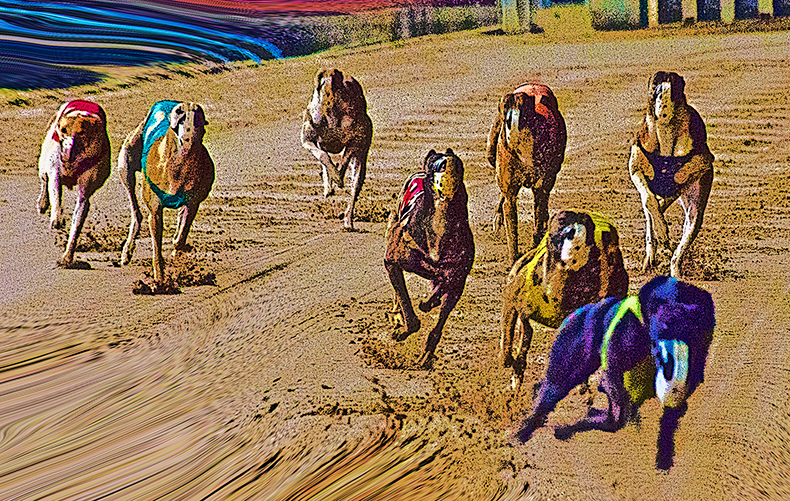
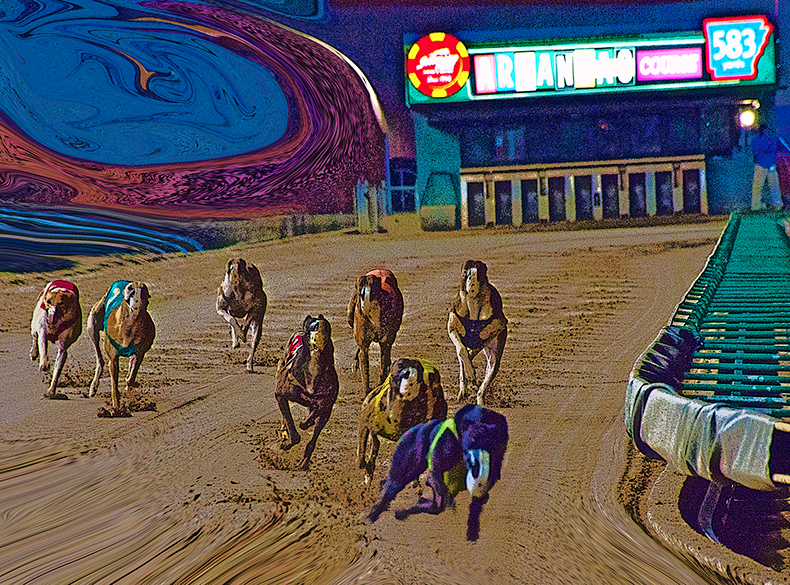
Here Comes Rusty!
Primal Act of the Chase
Rusty the mechanical rabbit rattles 'round the inner rail of the dog track, a step or two ahead of the pack of speedy greyhounds…
and the track announcer shouts, “Here comes Rusty!”
and then the hounds, yapping and whining in their confinement, explode from the little numbered cages at the starting gate…
and they run as fast as time, not so much to catch Rusty, but rather to revel in the freedom of an unbound moment… at twilight… of a warm summer eve…
while we, the human throng — those some of us not totally consumed by the art of the gambler — marvel o'er the unity of the members of the pack, who speed side-by-side in the primal act of the chase.
Let's Bet!
Or … otherwise, in a different guise,
we place our bets, twelve bucks on a Quiniela Box 3 in the 7th race … and afterwards, we wish we'd chosen more wisely, as Barts Slickwilly the 3 Dog gets pinned to the rail down the stretch and can't spring free, while Zach The Geek the 8 Dog fades late … and our losing ticket is tossed to the floor.
Tall, Sinewy, Intense
We love the dogs, racing dogs, all dogs, our dogs here at 3 Dog Acres. Standing a few feet from the greyhounds at the end of a race, observing them obediently follow their handlers through the concourse into who knows where, I'm awed by their tall stature, their sinewy haunches, their intensity of focus.
They are good dogs. Good dogs all.
Ebenezer Baldwin Bowles
From the Study of 3 Dog Acres in rural Washington County, Arkansas, USA
14 August 2018
Images by Beau Bosko
Originating on 14 July 2018 in West Memphis, Arkansas
And polished today at the Cherry Slab in the Ozark Highlands
Daffodil Study Number Seven
28 March 2018 at 16:35 hours Central Standard Time USA.

Daffodil Study Number Six
28 March 2018 at 12:24 hours Central Standard Time USA.

Daffodil Study Number Five
26 March 2018 at 11:12 hours Central Standard Time USA.

Daffodil Study Number Four
25 March 2018 at 20:03 hours Central Standard Time USA.

Daffodil Study Number Three
13 March 2018 at 12:36 hours Central Standard Time USA.
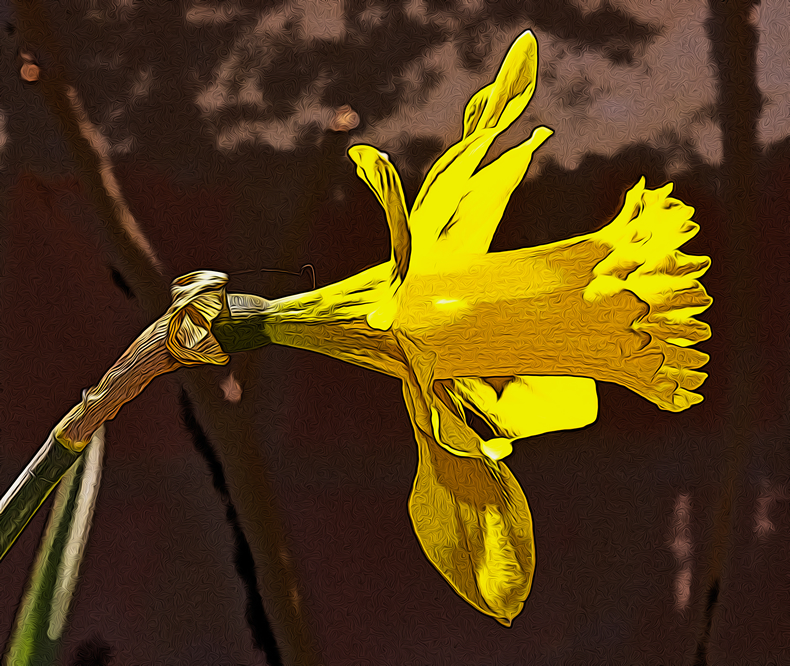
Daffodil Study Number Two
12 March 2018 at 19:54 hours Central Standard Time USA.

Daffodil Study Number One
11 March 2018 at 23:24 hours Central Standard Time USA.

26 February 2018 at 13:09 hours Central Standard Time USA.

Late Nights on an Opposite Track
The Prosecutor Comes as Expected
We … each … are complicit in the drama, pale and unfolding like leaves from the Old Book, leaves from the old oak …
… stories I’ve heard and long to experience – ‘I loved you the first time I saw you!’ she sings – but dare not embrace for fear of falling, fear of wandering into the chamber of uncomfortable truths.
Yes, I Gave Her a Name
“Are there any truths left?” the old oak asks. I named her Themis, the whispering oak, but only after she refused, politely, to tell me her name. She didn’t object to my naming her. Themis stands next to Ruth, a silent red oak, woody woman beside the kitchen porch, grand dame holding tightly to her leaves in late winter.
Today, in the strange light of a frosty morning, the old truths, those I’ve encountered once or twice ago, appeared before me on the steel-gray horizon, just moments after the ice melted away.
The rising sun, yellow and sharp, raced from the space behind me to illuminate an expanse of charcoal and ash stretching low o’er the heavenlies.
And I could see on the curved glass a scroll, numbering the days ahead, though IT IS the old days that try me now. The prosecutor comes as expected to level her charges. I plead no contest.
Vistas, Devils, a Narrowing
I remember them, the old days, remember them with a sharpening and inward gaze, a narrowing … days when the vistas spread wider and the propositions were legion, like disguised devils passing next to me on the sidewalks, days when I forged ahead with a greater power. And I was dogged in the night.
It seemed forever, the forward path. Now it goes no further than the next stop, and the turning … to the left … or to the right … dim signals cast outward to alert a dangerous universe.
I was there … in this same spot … forty years ago, seeking the counsel of doctors, the conclusions of nurses. It’s different now. The doctors and nurses have different names and I became wise, but only to a lesser degree, and lean, but only because of diminishing mass.
Everything comes to me with a qualifier. Everything seems as if I’ve walked there before, moving through a passage tinged with ice, blocked by thick glass … an ancient passage leading to the last act.
Ebenezer Baldwin Bowles
From the Study of 3 Dog Acres in rural Washington County, Arkansas, USA
26 February 2018
Images by Beau Bosko
14 August 2016 in Brooklyn, New York City
And Today at the Cherry Slab in the Ozark Highlands


20 February 2018 at 11:58 hours Central Standard Time USA.
For Lyn Lopez, My Friend on Google+
Diverted by pacific visions from my sharers, I turn away — if only for a moment — from the travails of the tribe to the beauties of color and form. All the while I struggle to discover a finer voice. I desire to alight — like a swallowtail, a golden bumbler, an old man rigged to a parachute — on a point along the line of infinity, a secure point where perspective is diverted away from condemnation and where I canna fall off the edge into oblivion.

19 February 2018 at 11:11 hours Central Standard Time USA.
I swear I wish we wouldn't fight. Wish we wouldn't slay one another. I sit there on old leather and cry. Cain and Abel be damned! Skewer me for equating the victim with the perpetrator, but we're dealing with elementals here. We're each and all equal actors in the drama, our roles 'n parts assigned by Fate. Or by circumstance. As I told her in the big bed, I don't care anymore. Say what you want, Benny Hinn, but I don't care. I wonder if Circumstance was a god.

18 February 2018 at 22:51 hours Central Standard Time USA.
You can say
what is real
and
what is not real,
but who will believe you?
I don't. And you don't.
He's making us all go crazy.
That's power for you.
Love, too. The love of destruction. The love of death.
Like the man with the strange moustache.
He will destroy us all
...
if we let him.

16 February 2018 at 13:19 hours Central Standard Time USA.
Can't recall the details, the how-to-do-it codes. Strugglin' to hold on. The guns are the problem. And the mind. And the culture. All of it.
There's more to meet the eye. Death masks on the wall. It's crooked, too. Not aligned properly. Call me.

17 January 2018 at 14:40 hours Central Standard Time USA.
We surrender. That's what started it all. The notion of coming back.
Actually, that's probably a fib, the notion of surrender. We can't be sure. We may be retreating instead of surrendering. Time shall tell.
If you'd like to see how it once was, click this sentence.


From top: Hell's Kitchen. Macy's. Bay Ridge Brooklyn.